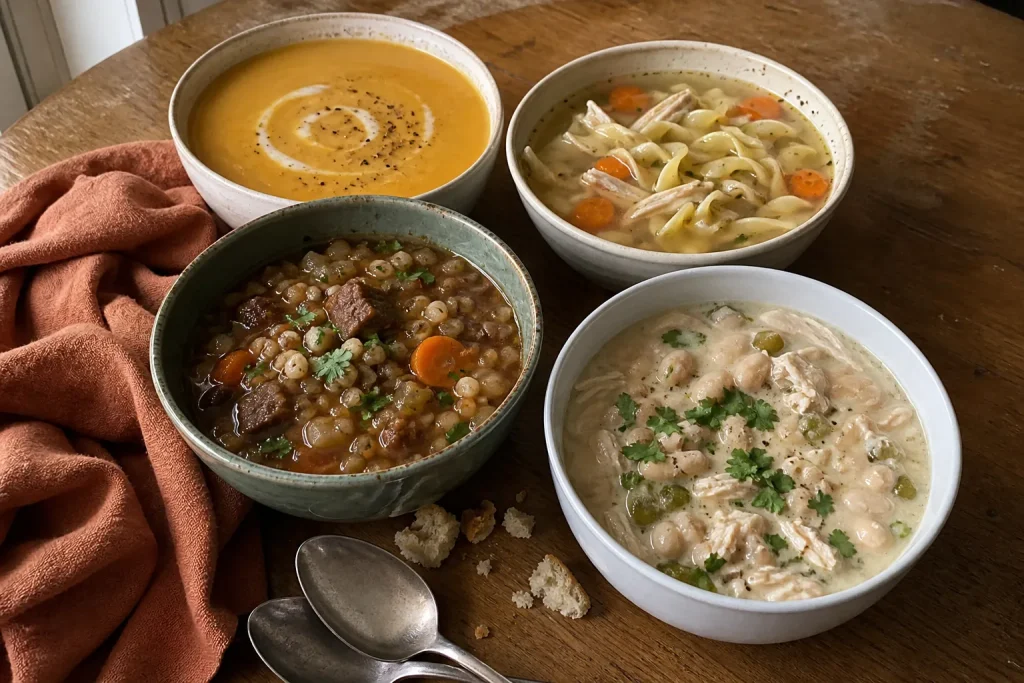
These fall soup recipes range from smooth squash and pumpkin soups to chicken noodle, beef barley, and chili. Use the sections below to choose a bowl by texture, main ingredient, or cooking mood, then follow the linked recipe for exact measurements and instructions.
The collection brings together 25 soup recipes already published on Emily Carter Recipes. It is designed as a practical starting point for cool-weather dinners rather than a list of untested recipe summaries.
Quick Guide to Choosing a Fall Soup
| If you want… | Start with… |
|---|---|
| A smooth vegetable soup | Butternut squash, pumpkin, sweet potato, roasted red pepper, or cauliflower |
| A creamy comfort-food bowl | Potato leek, loaded baked potato, broccoli cheddar, or mushroom |
| A brothy vegetable soup | Minestrone, white bean and kale, lentil vegetable, or split pea |
| A complete chicken dinner | Chicken noodle, chicken and rice, chicken gnocchi, or chicken tortilla |
| A hearty meat-based option | Beef barley, vegetable beef, ground beef chili, or white chicken chili |
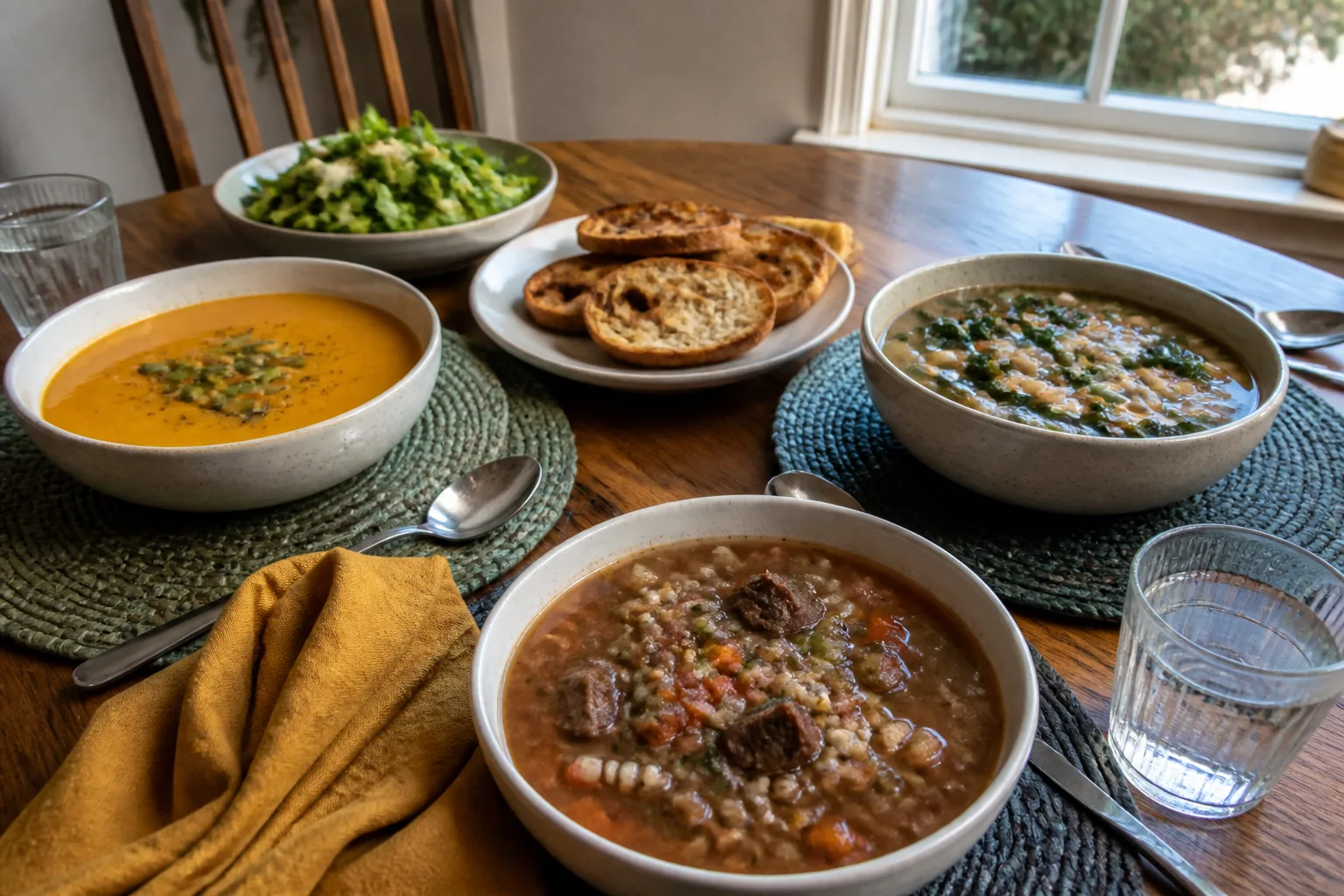
Smooth Vegetable Soups for Fall
1. Butternut Squash Soup
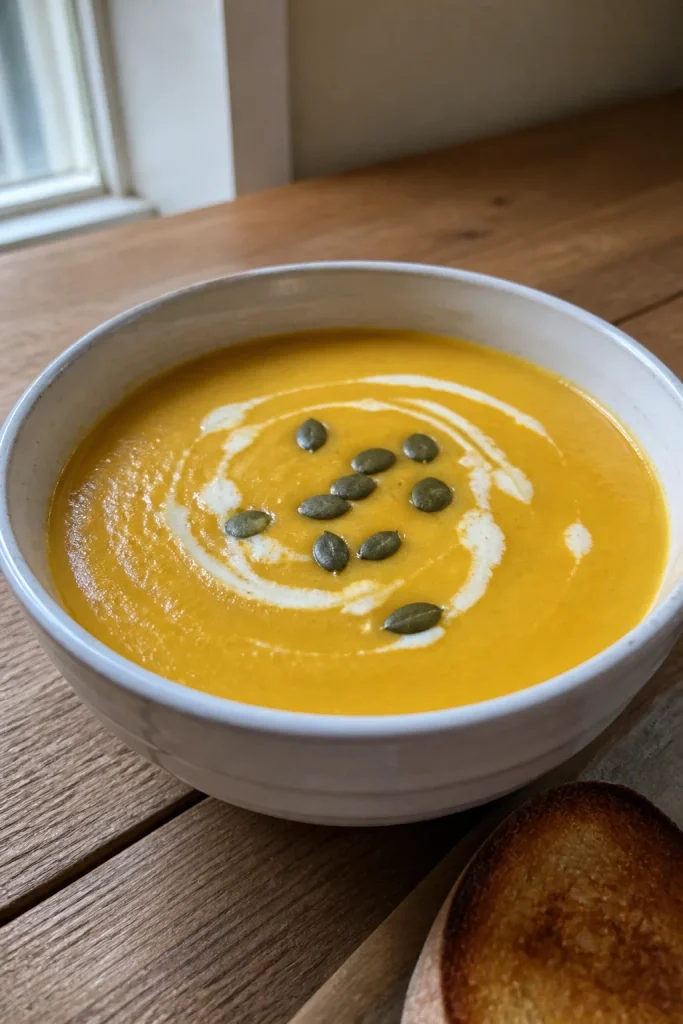
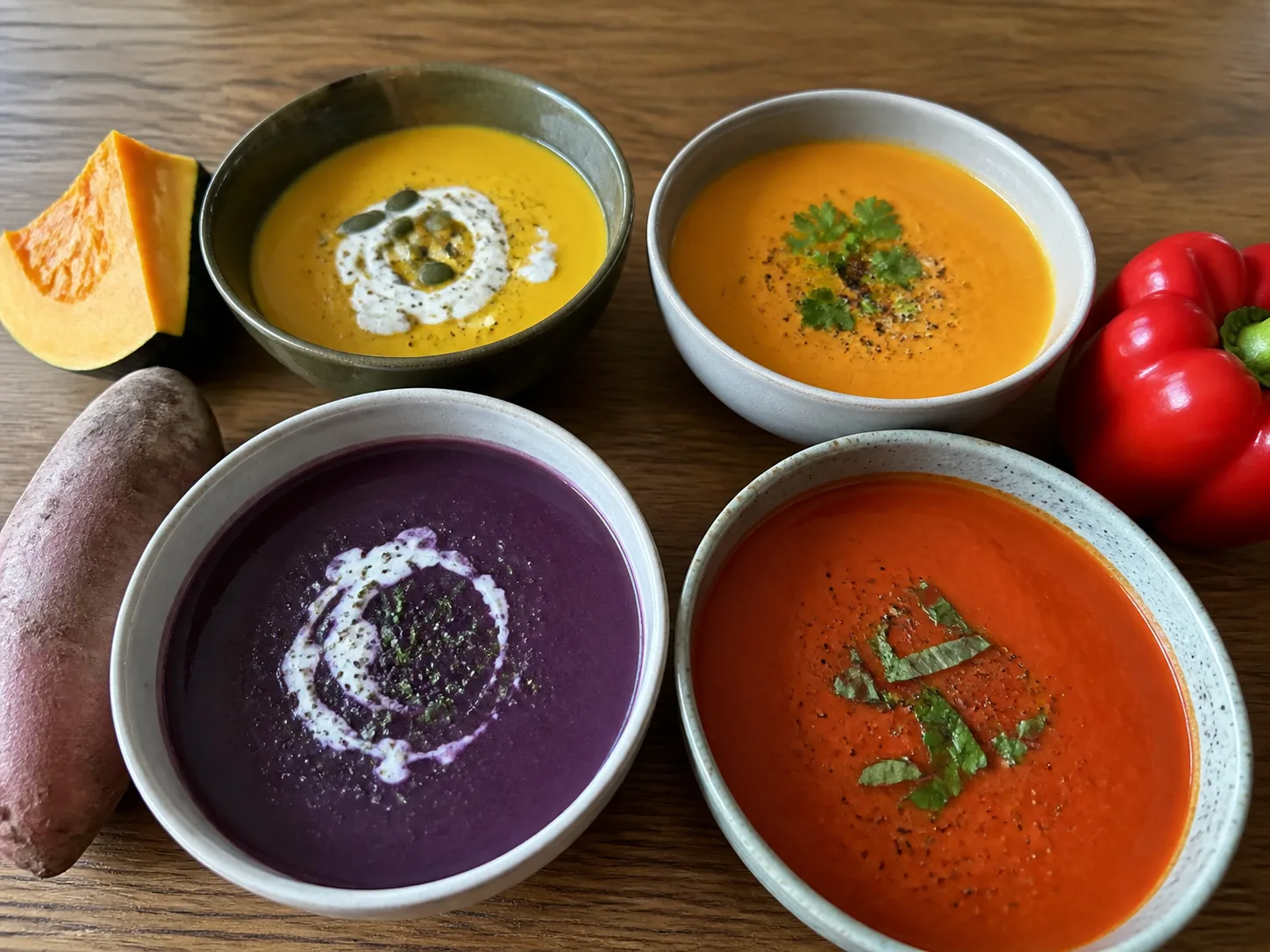
Butternut squash soup is a useful starting point when you want a smooth, seasonal bowl with natural sweetness. Serve it with toasted bread or a crisp salad to add texture.
2. Pumpkin Soup
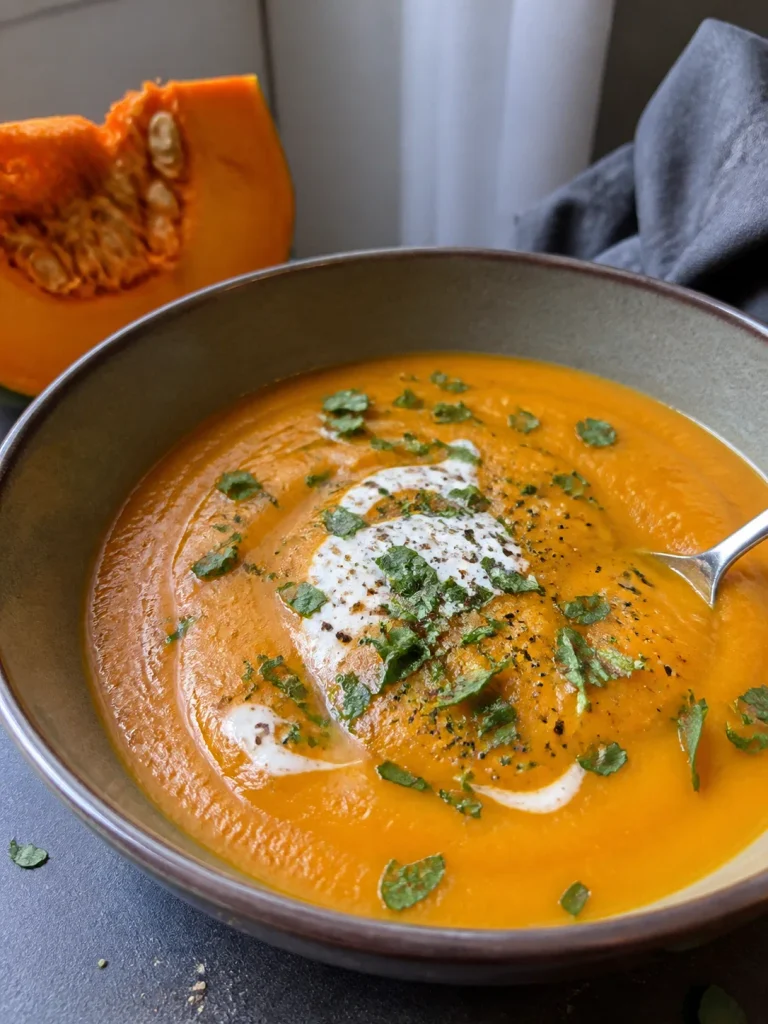
This pumpkin soup recipe fits early fall, Halloween week, and Thanksgiving planning. Keep garnishes simple so the pumpkin remains the focus.
3. Sweet Potato Soup
Sweet potato soup offers another smooth orange vegetable option. A tangy or crunchy topping can balance the vegetable’s sweetness.
4. Roasted Red Pepper Soup
The roasted red pepper soup brings a brighter flavor and color to a fall menu. It works well when squash-based soups feel too sweet.
5. Creamy Cauliflower Soup
Creamy cauliflower soup has a mild base that pairs easily with herbs, black pepper, or a small amount of cheese.
Creamy Fall Comfort Soups
6. Potato Leek Soup
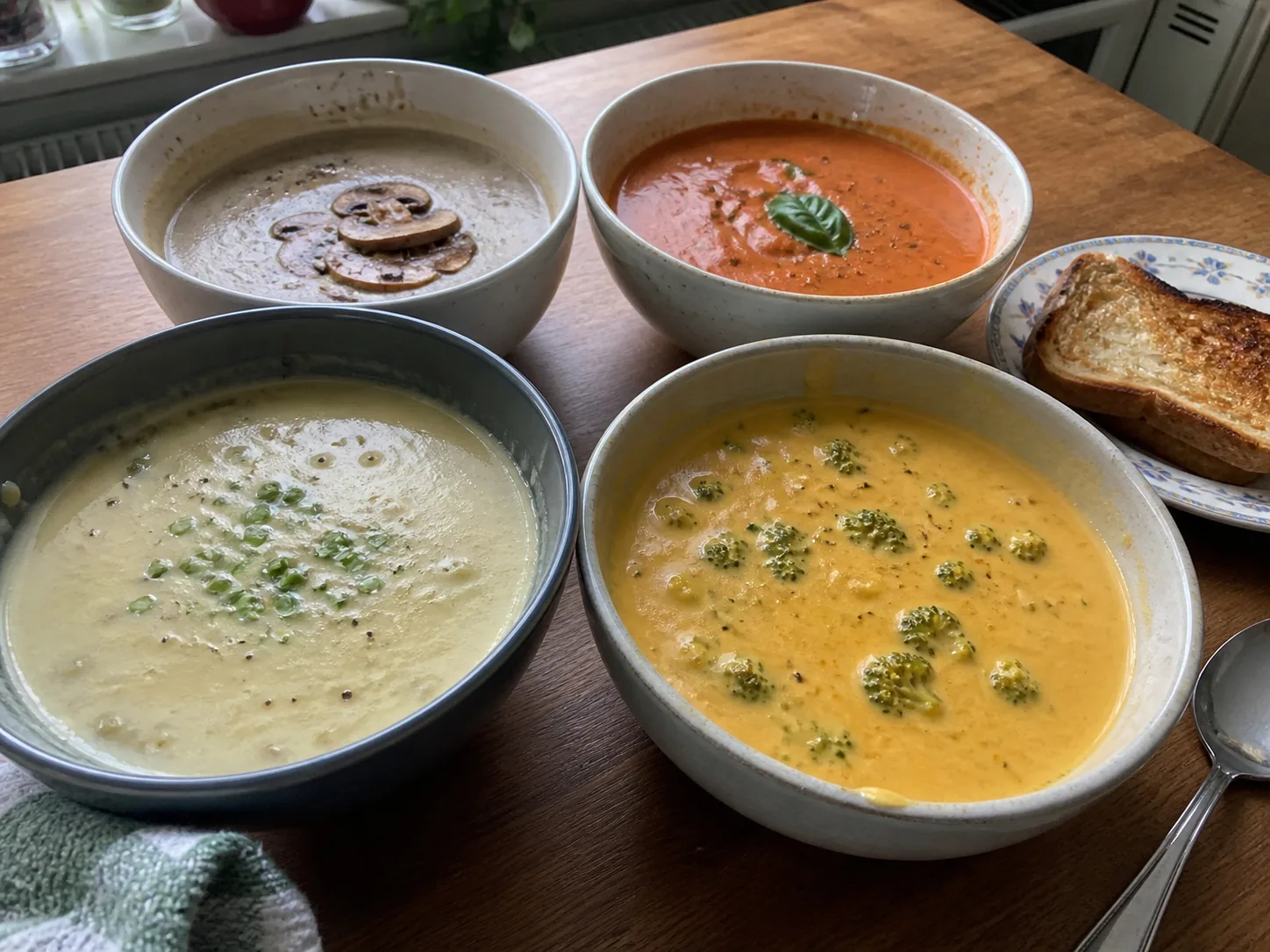
This potato leek soup is a classic choice when you want a creamy texture and gentle savory flavor without a long list of toppings.
7. Loaded Baked Potato Soup
Loaded baked potato soup is the richer potato option. Offer toppings separately so each serving can be adjusted.
8. Broccoli Cheddar Soup
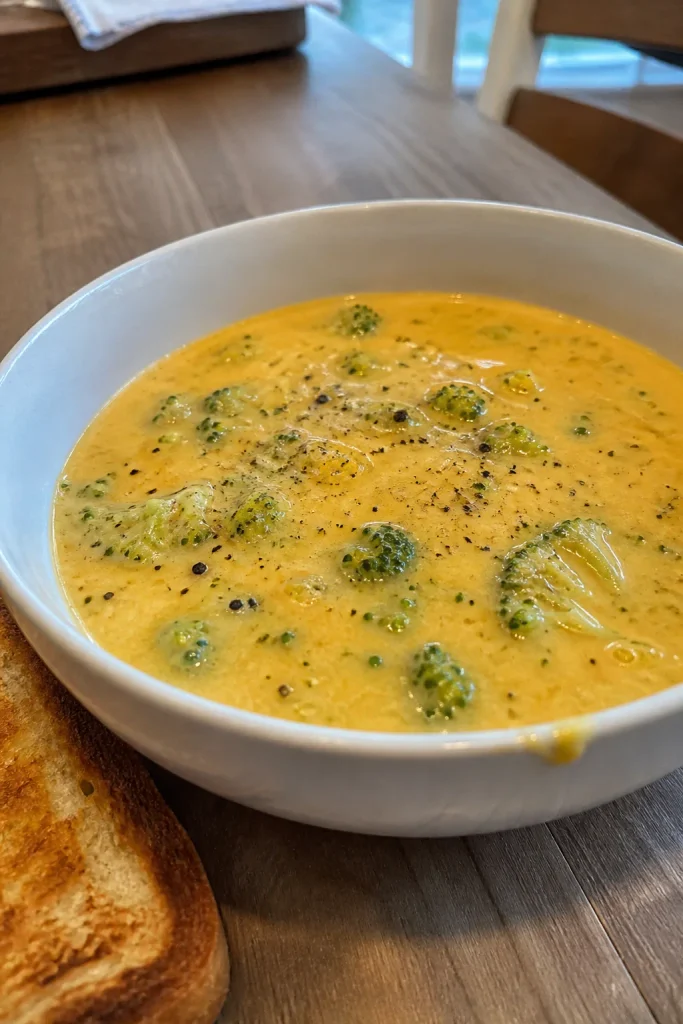
The broccoli cheddar soup combines a green vegetable with a cheese-forward base. It is a practical choice for a soup-and-sandwich dinner.
9. Cream of Mushroom Soup
Cream of mushroom soup adds earthy flavor to the collection. Brown the mushrooms well in the linked recipe to develop their savory character.
10. Wild Rice Mushroom Soup
This wild rice mushroom soup is more substantial than a smooth mushroom soup because the rice adds chew and body.
Brothy, Bean, and Lentil Soups
11. Roasted Garlic Soup
Roasted garlic soup is an aromatic option for a smaller first course or a light dinner served with bread.
12. French Onion Soup
The French onion soup centers on deeply cooked onions and a savory broth. The bread-and-cheese topping makes it feel like a complete restaurant-style bowl.
13. Creamy Tomato Basil Soup
Creamy tomato basil soup is a natural match for grilled cheese and an easy bridge from late-summer tomatoes into fall comfort food.
14. Minestrone Soup
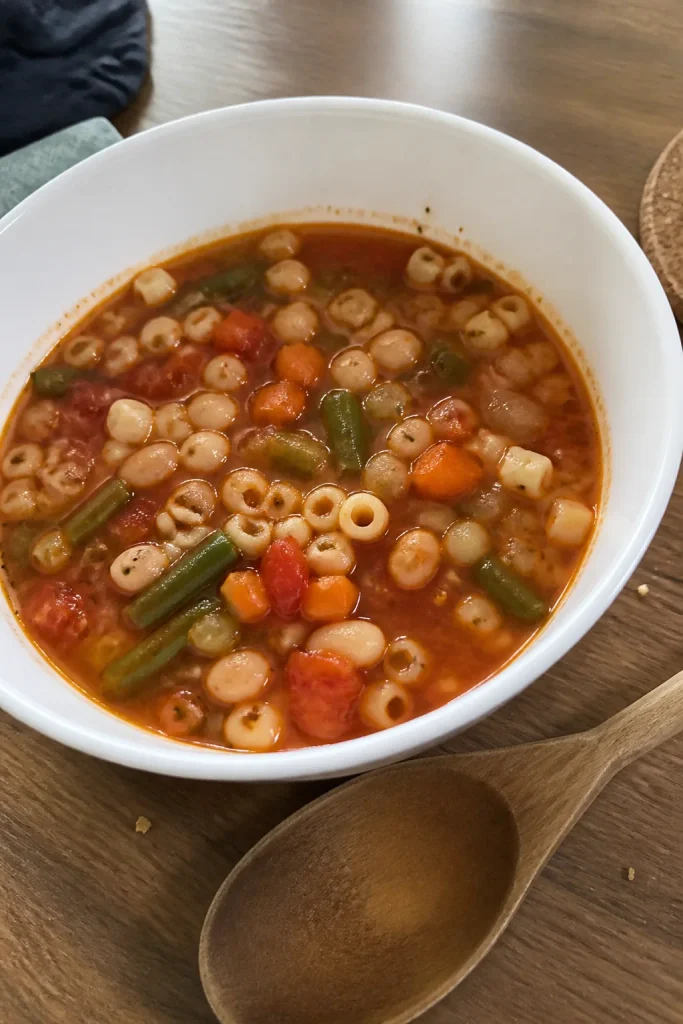
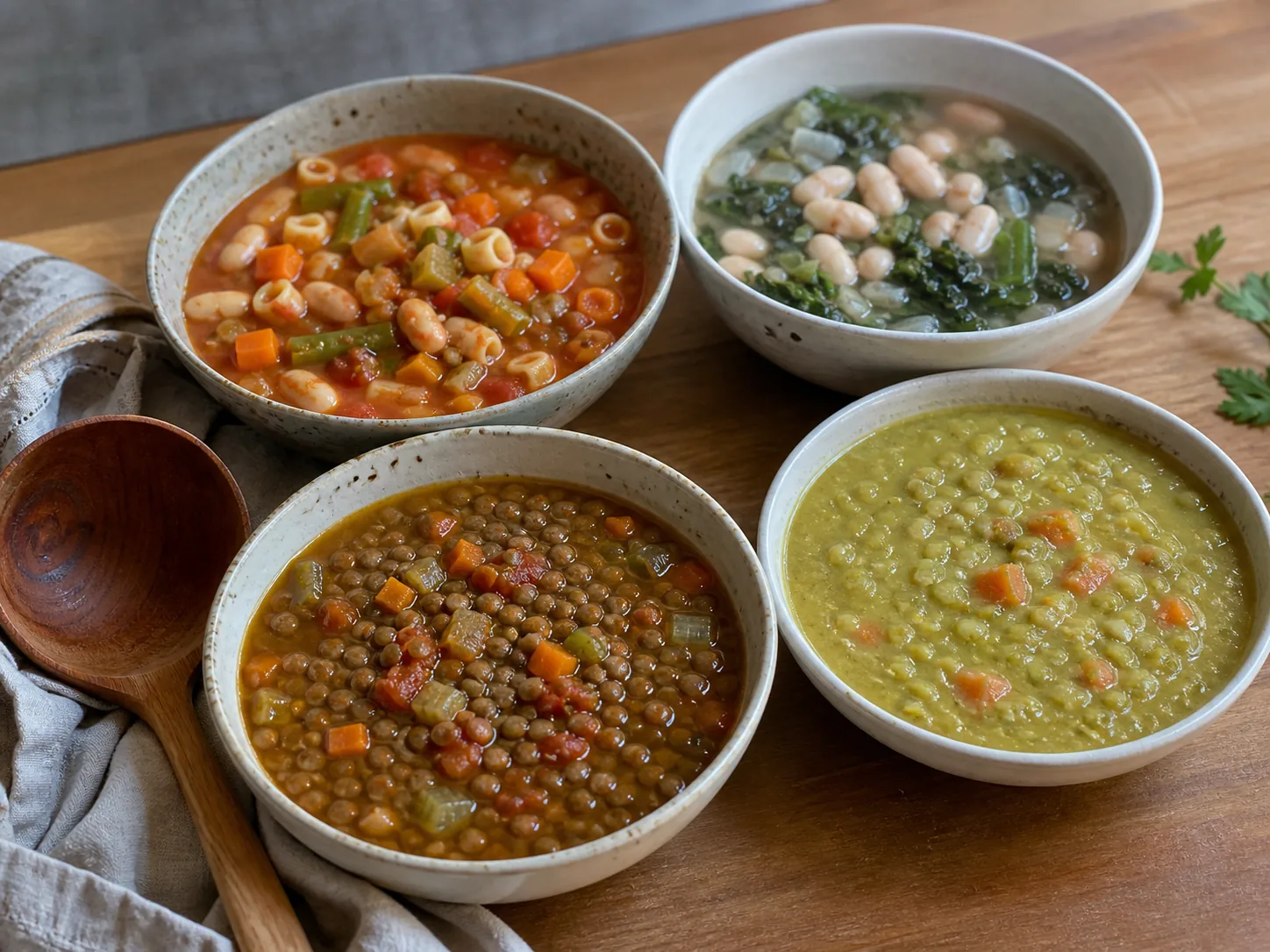
This minestrone soup is useful when you want vegetables, beans, and pasta in one bowl. It also fits flexible produce clean-out cooking.
15. White Bean and Kale Soup
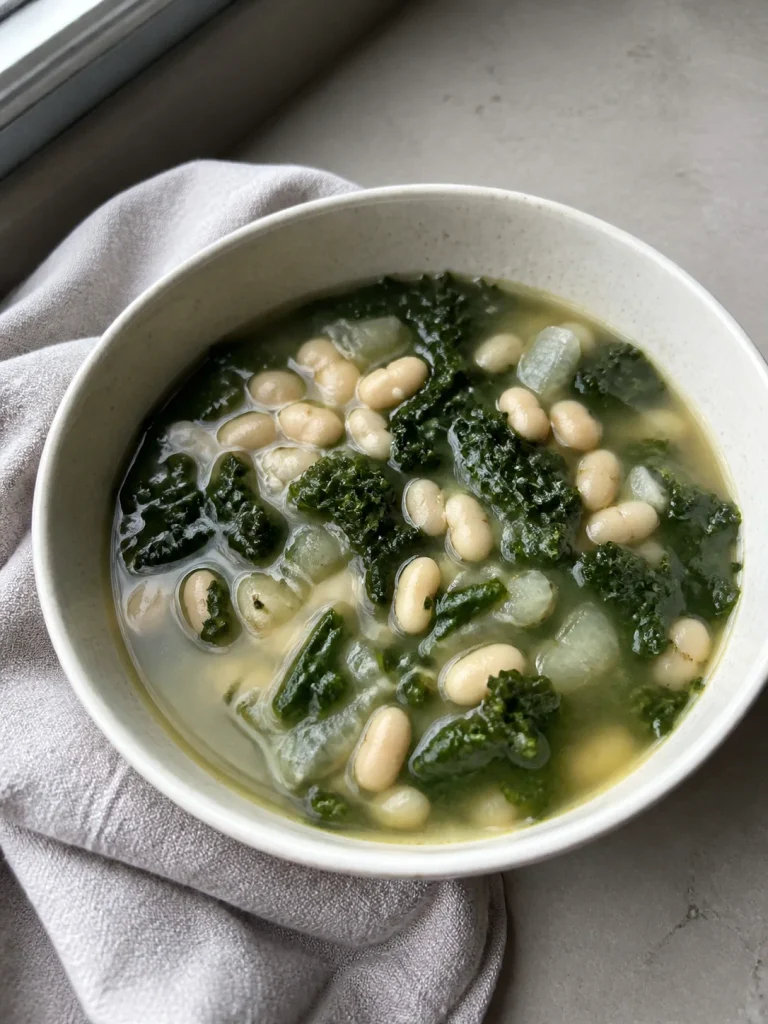
White bean and kale soup combines tender beans and leafy greens in a brothy format.
16. Lentil Vegetable Soup
The lentil vegetable soup is a pantry-friendly option that becomes hearty without meat.
17. Split Pea Soup
Split pea soup thickens naturally as the peas cook. Add liquid gradually when reheating if the soup becomes firmer in the refrigerator.
Chicken Soups for a Complete Dinner
18. Chicken Noodle Soup
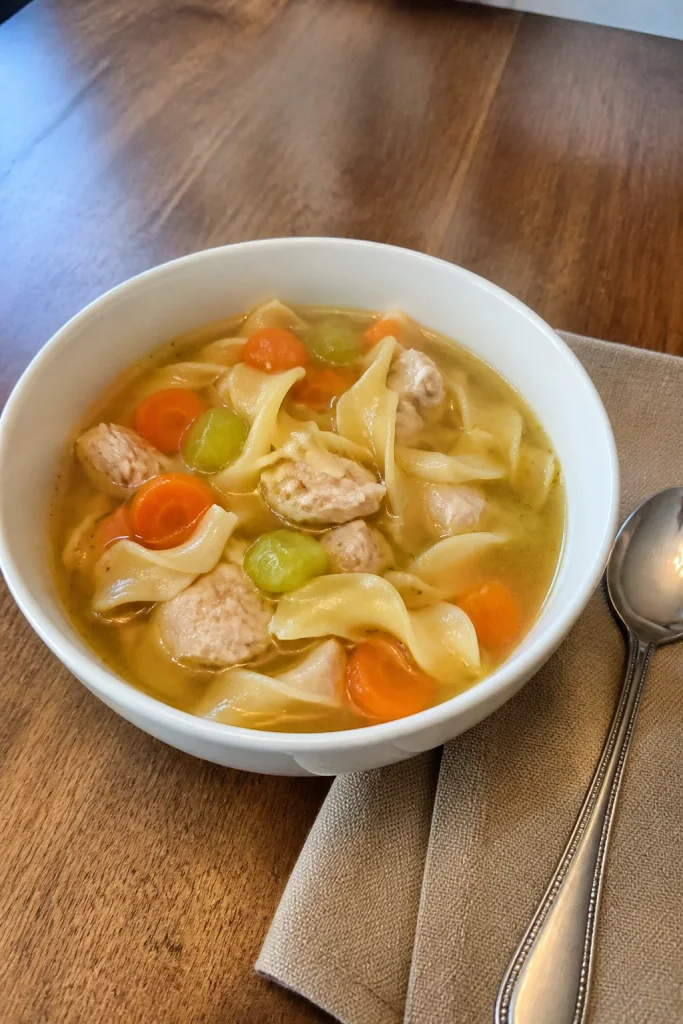
This chicken noodle soup is the most familiar chicken option in the roundup. Keep the noodles from overcooking by following the timing in the linked recipe.
19. Chicken and Rice Soup
Chicken and rice soup swaps noodles for rice and gives the broth a different texture.
20. Chicken Gnocchi Soup
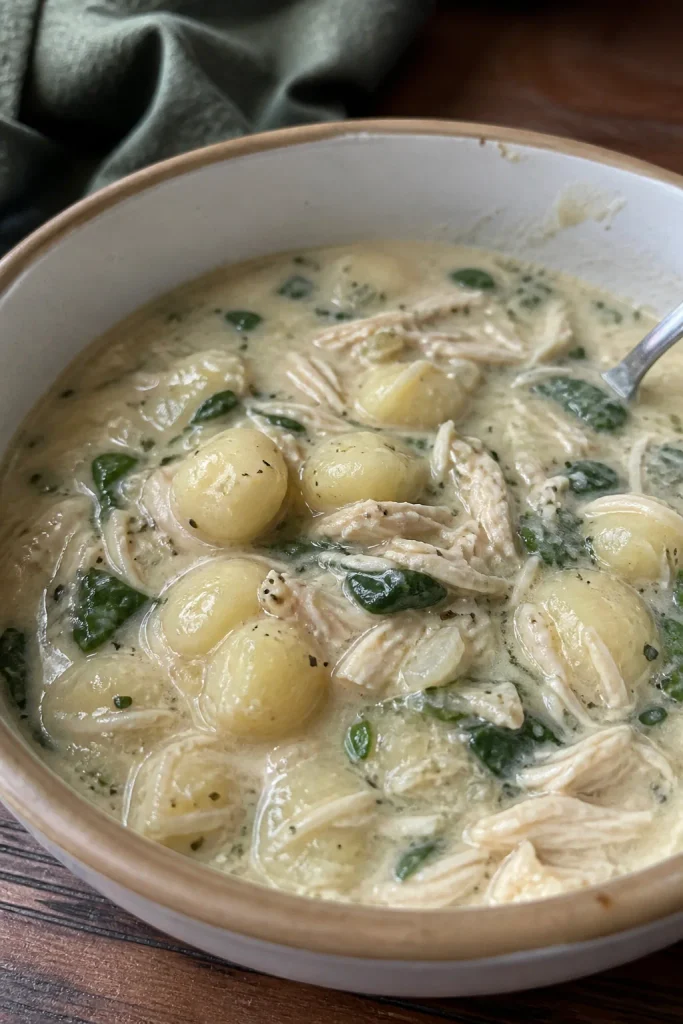
The chicken gnocchi soup is a richer bowl with soft potato dumplings, useful when you want a creamy soup that eats like a meal.
21. Chicken Tortilla Soup
Chicken tortilla soup brings tomato, spice, and crunchy toppings into the fall rotation.
Beef Soups and Chili for Cold Nights
22. Beef and Barley Soup
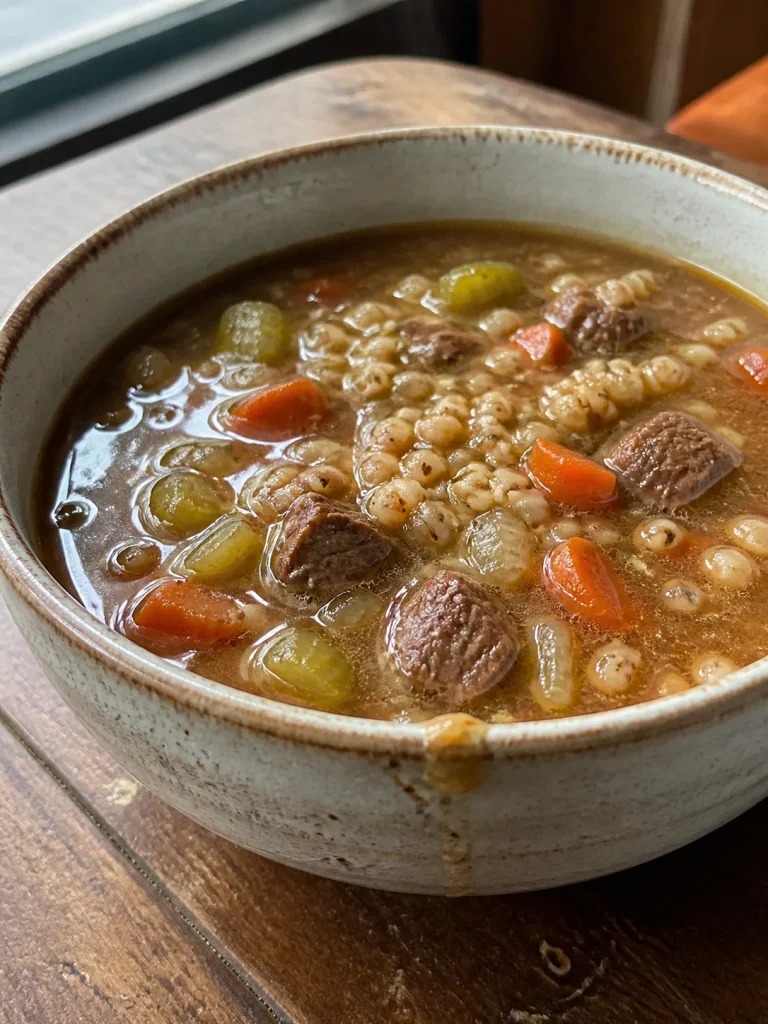
This beef and barley soup pairs beef with a chewy grain for a substantial dinner.
23. Vegetable Beef Soup
Vegetable beef soup adds a larger mix of vegetables to the beef-and-broth format.
24. Stovetop Ground Beef Chili
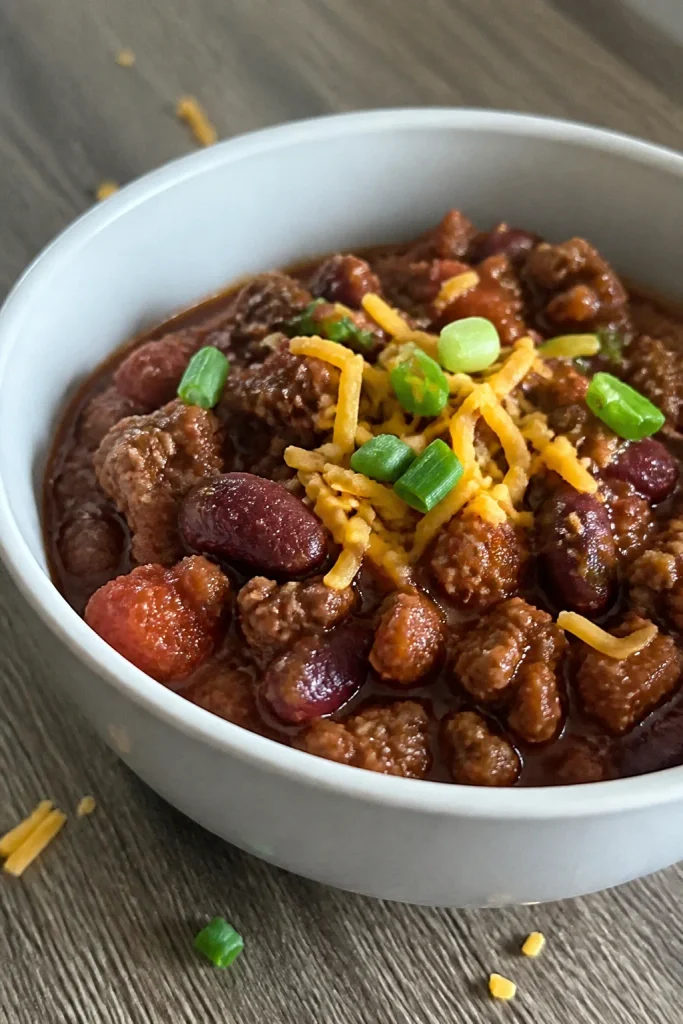
The stovetop ground beef chili is the thickest, boldest option in this list and works well for game day or a casual group dinner.
25. White Chicken Chili
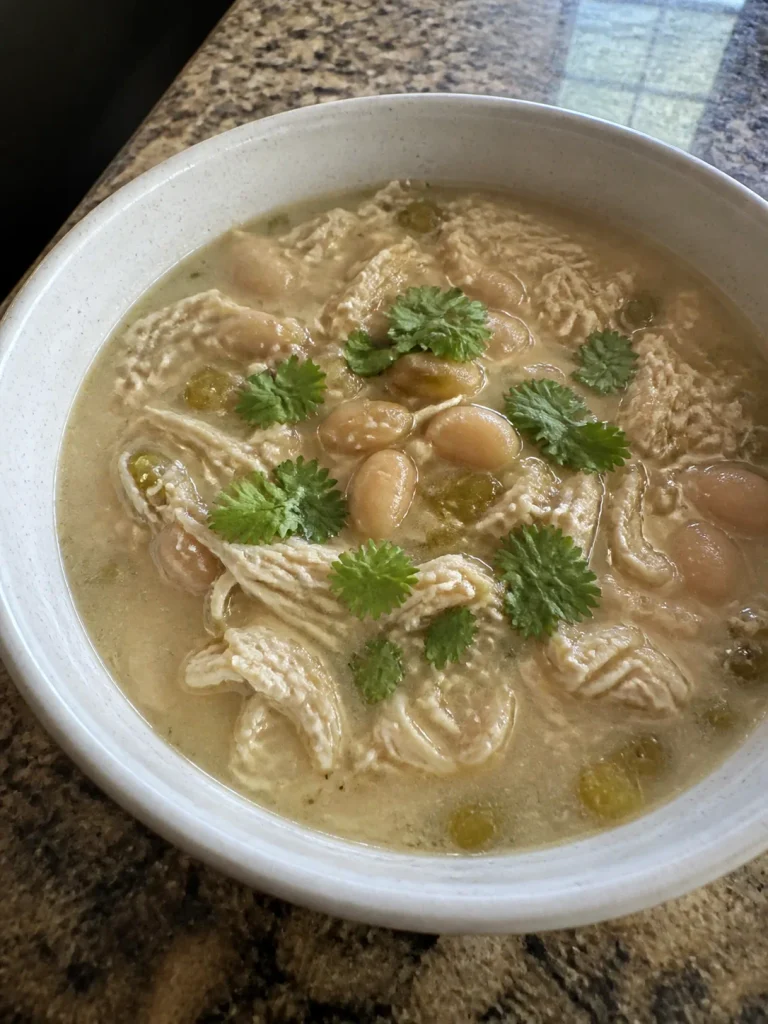
White chicken chili offers a chicken-and-bean alternative to tomato-based beef chili.
How to Build a Fall Soup Dinner
- Add crunch: toast, crackers, pumpkin seeds, croutons, or a crisp salad provide contrast to smooth soups.
- Balance richness: serve creamy soups with vegetables or a salad rather than another heavy side.
- Use toppings strategically: cheese, herbs, yogurt, bacon, tortilla strips, and chili oil should match the soup instead of covering its flavor.
- Plan for leftovers: keep pasta, rice, and crunchy toppings separate when practical so they do not absorb too much liquid.
For more menu planning, pair these soups with dinner salads, browse these hot lunch and sandwich ideas, or explore other easy weeknight dinners.
Storage and Reheating
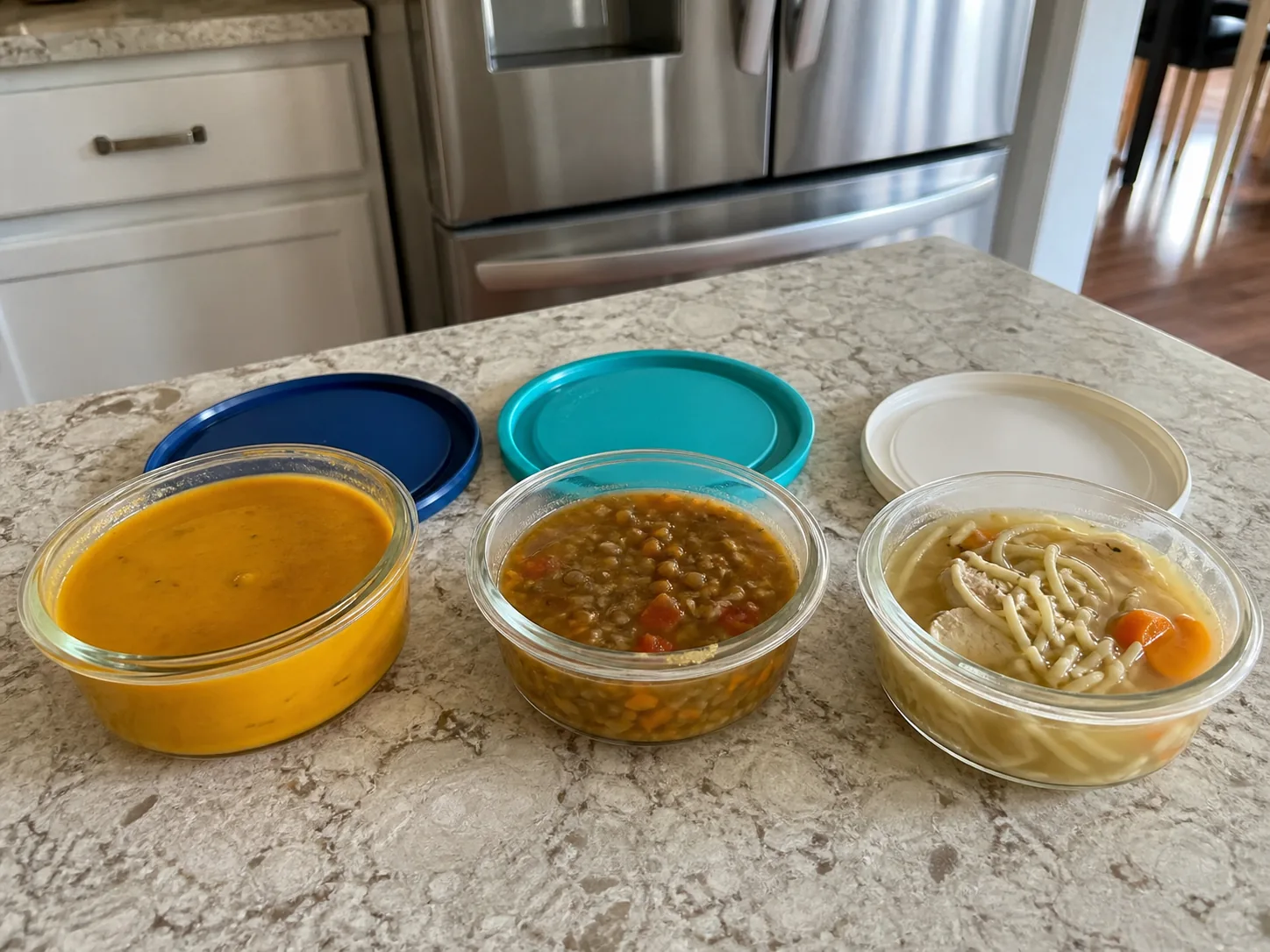
Transfer leftovers to shallow containers within two hours and refrigerate them for three to four days, following USDA leftovers guidance. Reheat leftovers to 165°F. Dairy-based soups may separate if boiled aggressively, so warm them gently while stirring.
Frequently Asked Questions
What are the best soups for fall?
Seasonal vegetable soups such as butternut squash, pumpkin, sweet potato, mushroom, and potato bring classic autumn flavors. For a complete dinner, choose chicken noodle, chicken and rice, beef barley, a bean or lentil soup, or chili. The quick guide above groups all 25 recipes by texture and meal style.
Which easy fall soup should I make first?
Start with a familiar style, then follow the linked recipe for its exact ingredients and timing. Choose butternut squash or pumpkin for a smooth blended bowl, chicken noodle or chicken and rice for a familiar family dinner, minestrone or lentil vegetable soup for a pantry-friendly option, and ground beef or white chicken chili for a heartier meal.
Which fall soups are hearty enough for dinner?
Chicken gnocchi, beef barley, vegetable beef, ground beef chili, and white chicken chili are among the most substantial choices in this collection. Bean, lentil, rice, and noodle soups can also work as one-bowl dinners. Add bread or a crisp salad when you want a larger meal.
Are any of these fall soups vegetarian or vegan?
Several recipes can be useful starting points, but do not assume dietary suitability from the title alone. Lentil vegetable, white bean and kale, minestrone, split pea, squash, pumpkin, and sweet potato soups are meatless only when the linked recipe’s broth, dairy, toppings, and other ingredients meet your needs. Check the individual recipe and all product labels before making substitutions, especially for allergies.
Which fall soups freeze well?
Blended vegetable, bean, lentil, beef, and brothy chicken soups generally keep their texture better than soups heavy in dairy, potatoes, pasta, or rice, which may separate or soften. Check the storage notes on each linked recipe before freezing. For general guidance, FoodSafety.gov lists two to three months as the best-quality freezer window for soups and stews stored at 0°F (-18°C).
How long does homemade soup last in the refrigerator, and how should I reheat it?
FoodSafety.gov recommends using refrigerated soups and stews within three to four days at 40°F (4°C) or below. When reheating, USDA FSIS advises heating leftovers to 165°F (73.9°C) and bringing soups to a boil. Stir during reheating so the soup heats evenly, and follow any more specific instructions in the individual recipe.
What should I serve with fall soup?
Crusty bread, toast, sandwiches, roasted vegetables, and crisp salads are practical choices. Pair a lighter side with a creamy or meat-heavy soup and a more substantial sandwich or bread with a thinner broth. Keep croutons, seeds, tortilla strips, and other crunchy toppings separate until serving.


