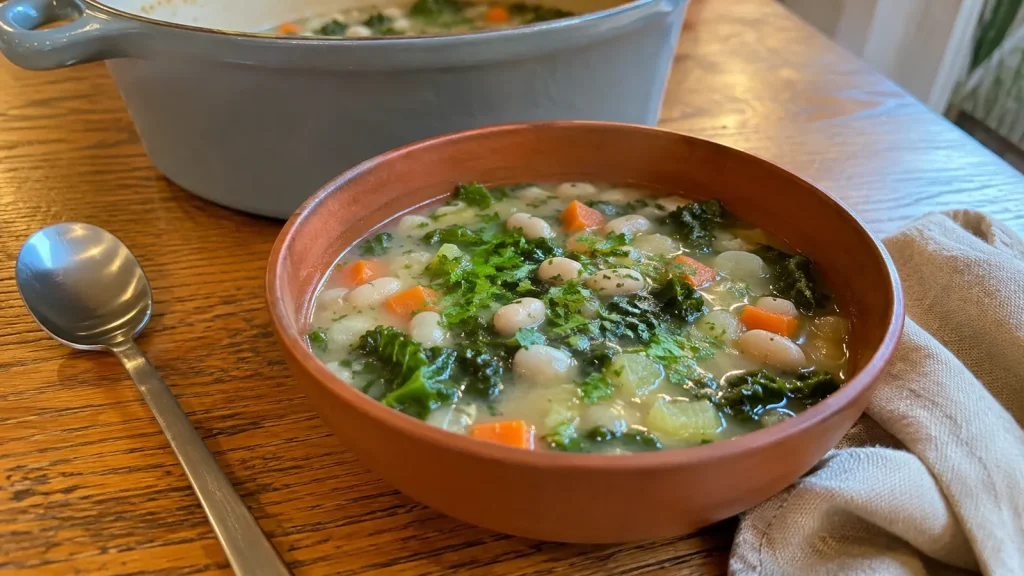
White bean and kale soup is a practical way to turn canned beans, everyday vegetables, and sturdy greens into a cozy one-pot meal. Partially blending the beans gives the broth a naturally creamy texture without requiring cream, while adding the kale near the end keeps the leaves tender and green.
This is a flexible stovetop method based on two 15-ounce cans of cooked white beans. The original article did not include complete measured amounts for every vegetable, the broth, or the kale, so use the texture cues below rather than treating it as a precision-tested formula. From chopping to serving, allow about 40 minutes.
Serve the soup with crusty bread for a cold-weather dinner, or browse my fall soup recipes when you want a few more pots to rotate through the season.
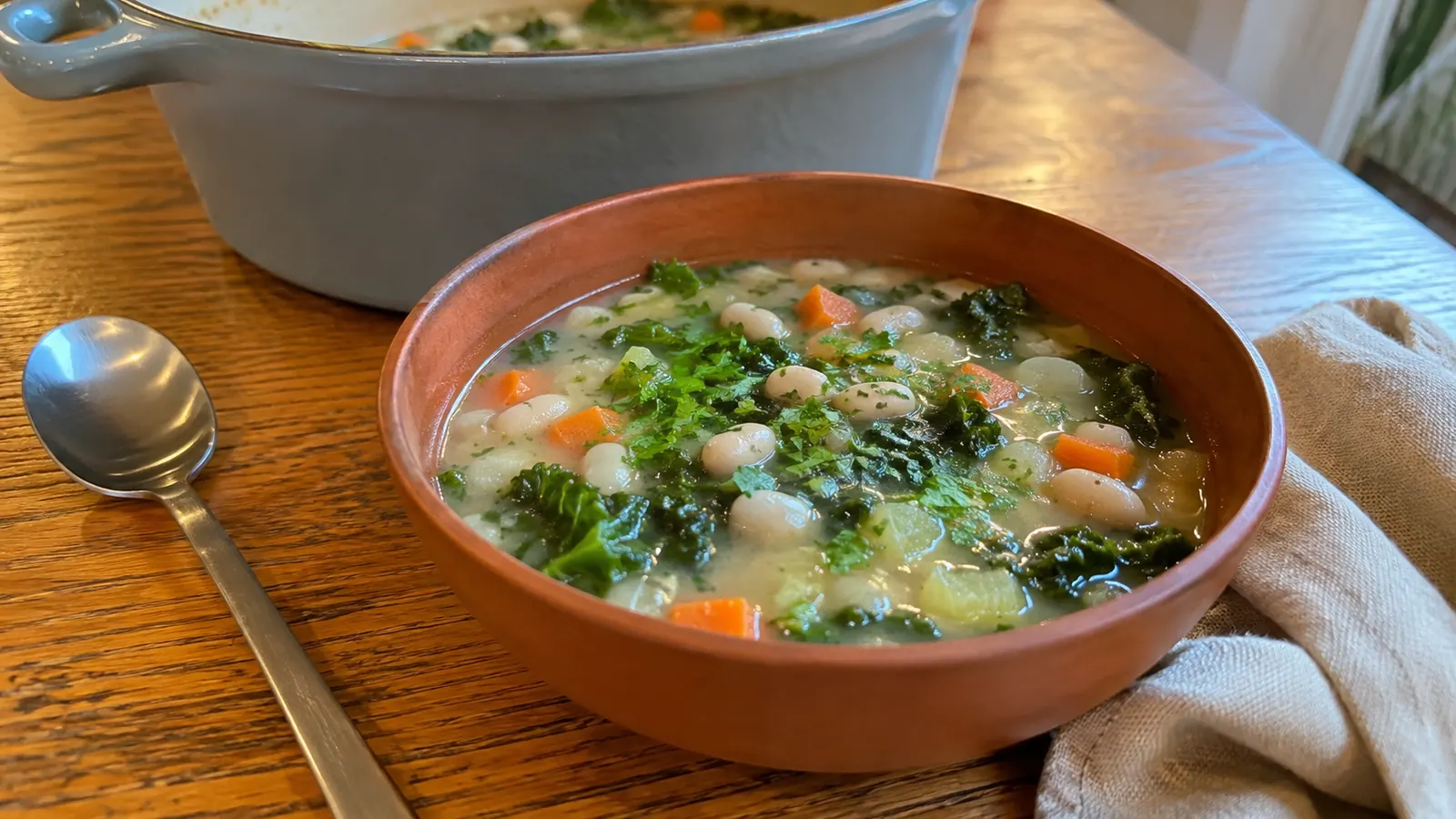
White Bean and Kale Soup at a Glance
| What to expect | Details |
|---|---|
| Texture | Creamy broth with whole white beans, tender vegetables, and wilted kale |
| Core method | Sauté, simmer, partially blend, then fold in the greens |
| Bean base | Two 15-ounce cans of drained and rinsed cannellini, navy, or great northern beans |
| Approximate time | About 40 minutes, including roughly 15 minutes of prep |
| Best use | Fall and winter dinners, make-ahead lunches, and flexible pantry cooking |
Ingredients for White Bean Kale Soup
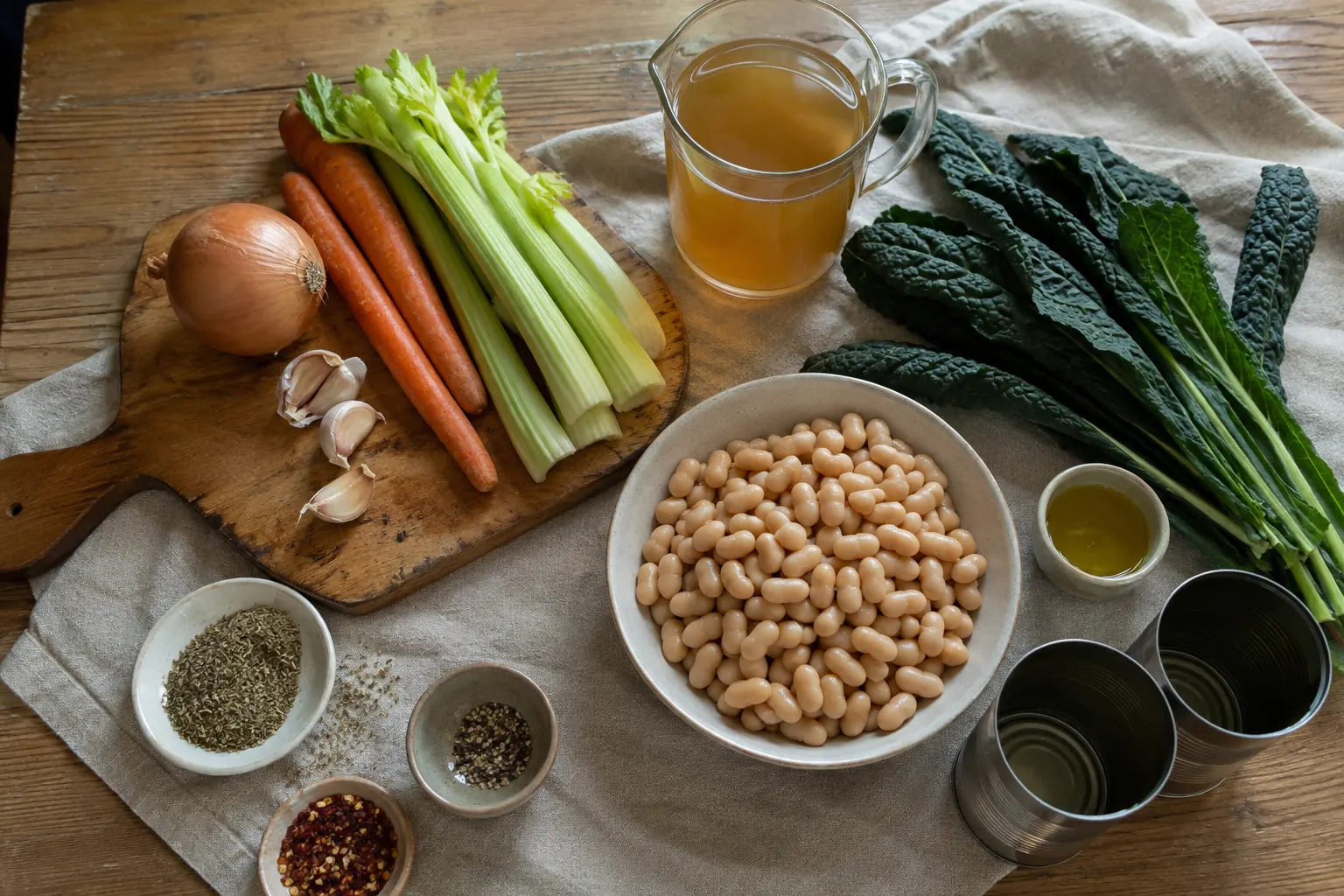
- Two 15-ounce cans of white beans: cannellini beans are especially creamy, navy beans hold their shape well, and great northern beans have a mild flavor. Drain and rinse the beans before they go into the pot.
- Onion, carrots, celery, and garlic: these aromatics build the savory base. Cut the vegetables into similarly sized pieces so they soften at roughly the same rate.
- Vegetable broth: low-sodium broth makes it easier to adjust the final seasoning. Add enough for a loose soup, then keep extra nearby because the beans will thicken the pot after blending and resting.
- Kale: lacinato or curly kale both work. Remove thick stems, chop the leaves into bite-size pieces, and add them near the end.
- Olive oil and seasonings: Italian seasoning, black pepper, and a small pinch of red pepper flakes suit the beans and vegetables. Add salt gradually after the broth and canned beans are in the pot.
- Optional finishes: lemon juice, fresh rosemary, chopped parsley, Parmesan, vegan Parmesan, or nutritional yeast can shift the final flavor without changing the core method.
Diet note: do not rely on the recipe name alone for a dietary claim. For a vegan or dairy-free bowl, use vegetable broth and dairy-free toppings. For a gluten-free bowl, check the broth, seasonings, toppings, and every packaged ingredient for a suitable label.
How to Make White Bean and Kale Soup
A heavy pot or Dutch oven helps the vegetables cook evenly. Build the flavor in stages, and wait to add the kale until the broth has the thickness you want.
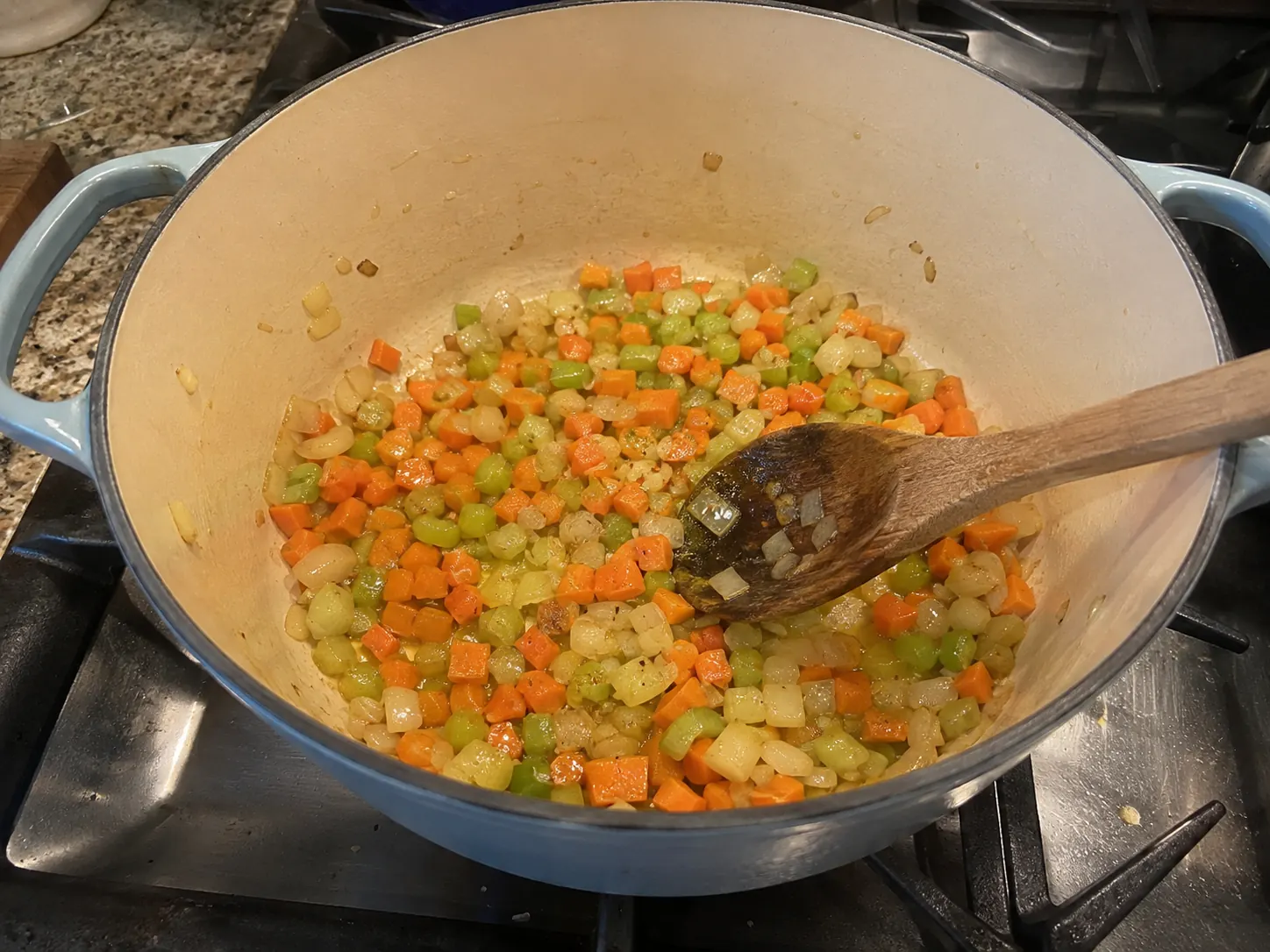
- Soften the aromatics. Warm a splash of olive oil over medium heat. Add the chopped onion, carrots, and celery and cook for 6–8 minutes, stirring occasionally, until the onion looks translucent and the vegetables begin to soften.
- Bloom the garlic and seasonings. Add minced garlic, Italian seasoning, and a modest pinch of red pepper flakes. Stir for 30–60 seconds, just until fragrant; do not let the garlic scorch.
- Add the beans and broth. Stir in the drained, rinsed white beans and enough low-sodium vegetable broth for a loose soup. Bring the pot to a gentle boil, reduce to a steady simmer, and cook for 10–15 minutes so the vegetables finish softening and the flavors come together.
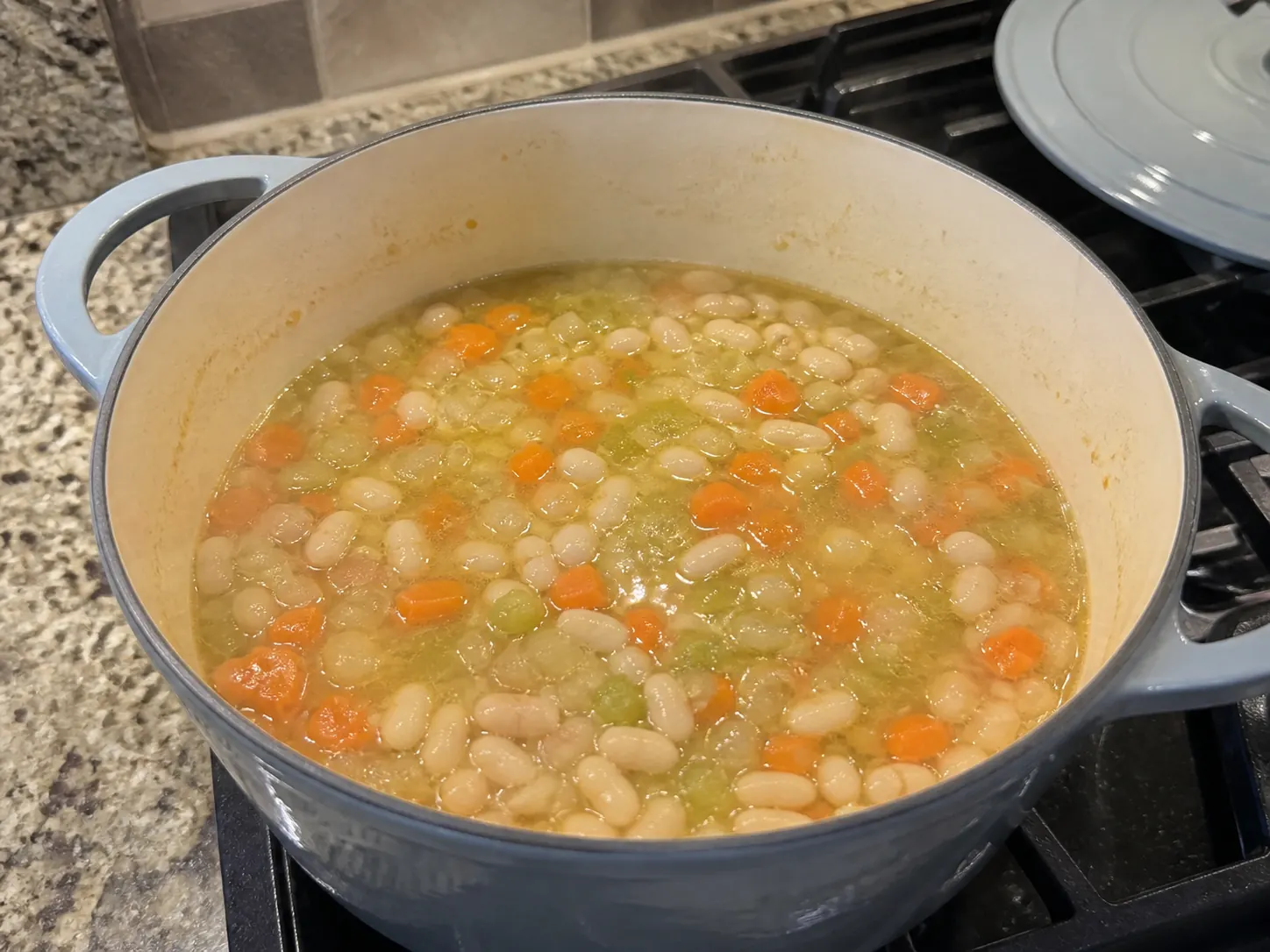
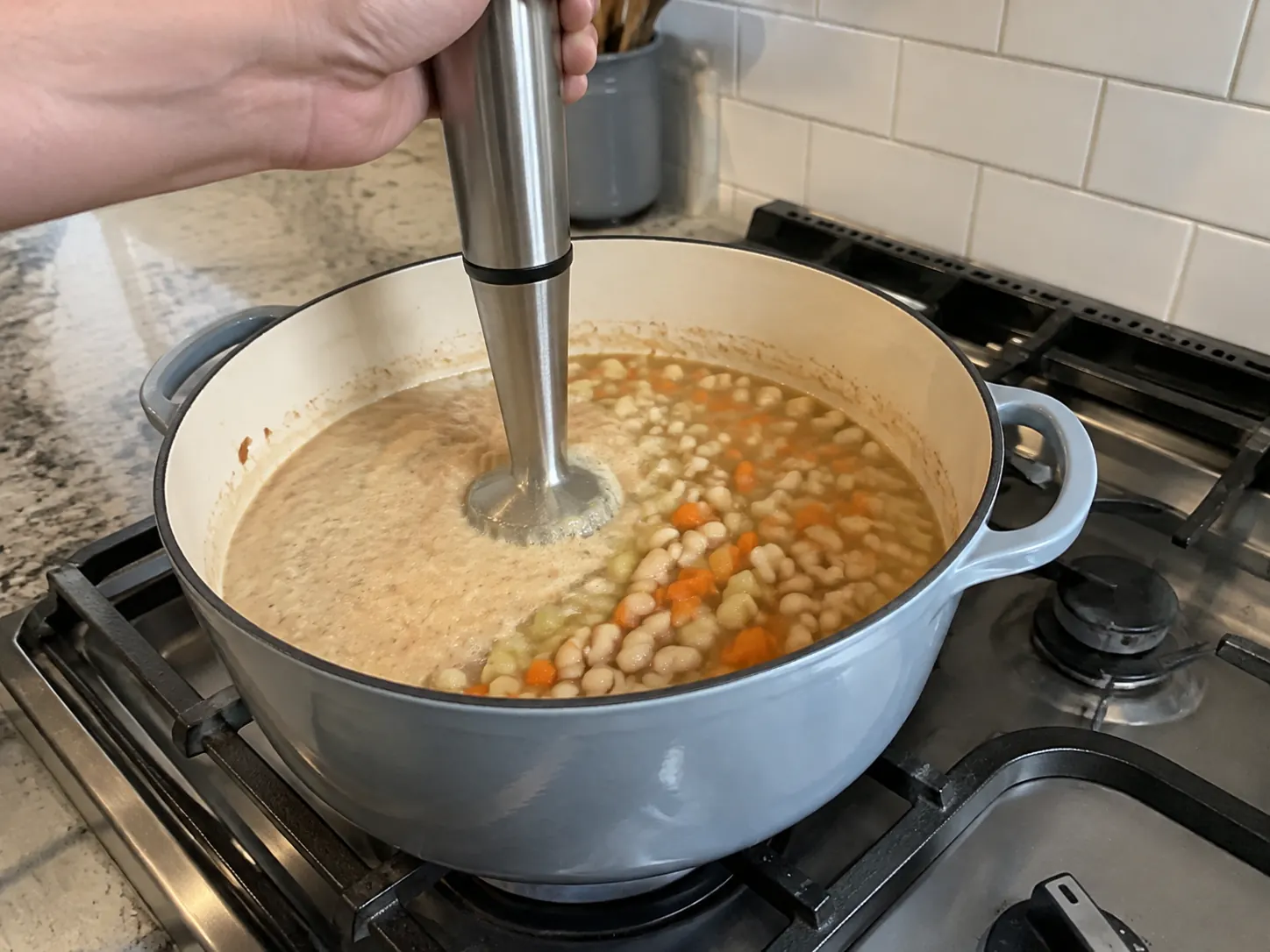
- Blend only part of the soup. Move the pot off direct heat. Use an immersion blender on one side of the pot, or transfer a portion to an upright blender, until the broth becomes creamy but plenty of beans and vegetables remain whole. Use caution with hot liquid and follow your blender instructions.
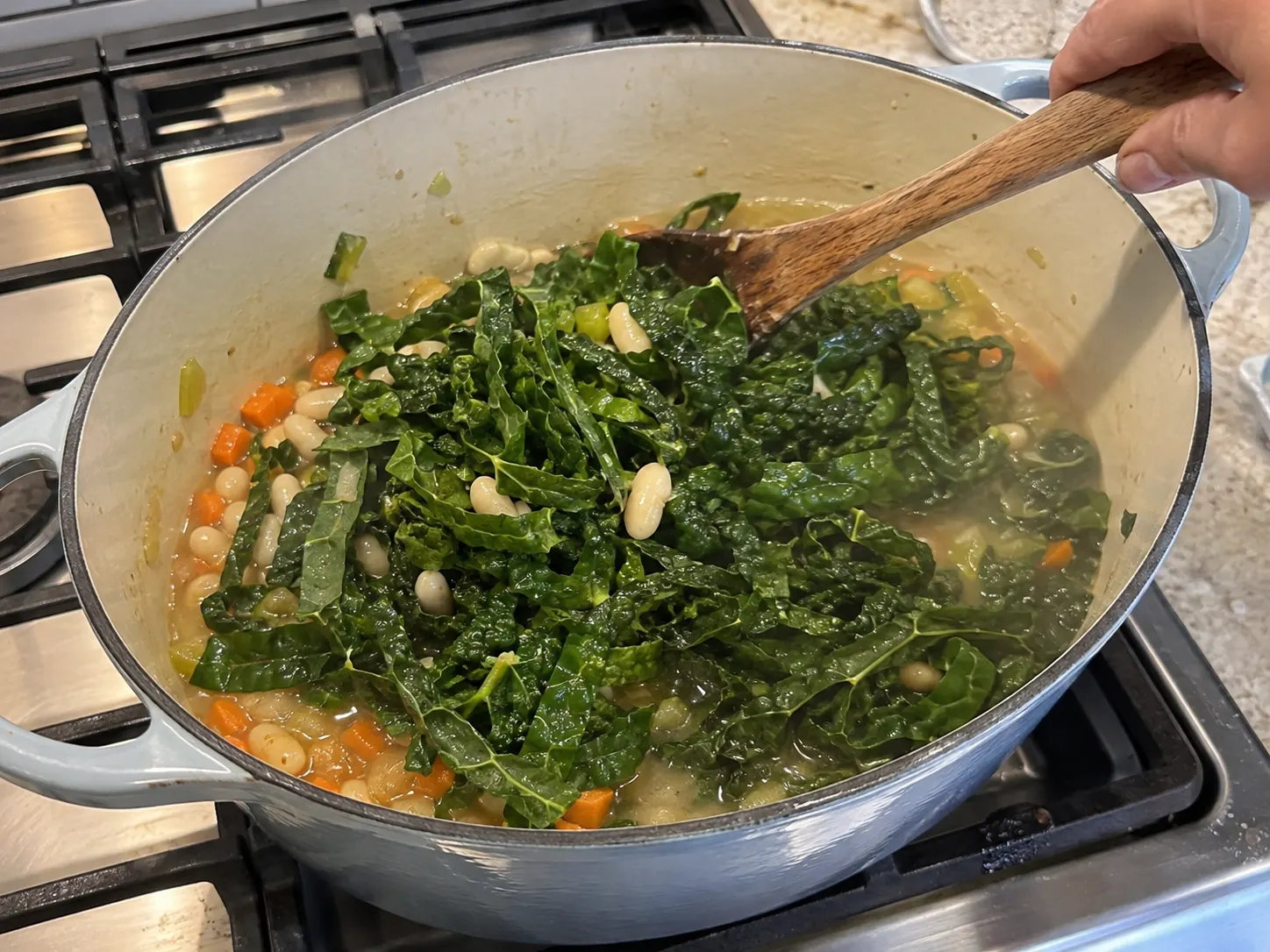
- Fold in the kale. Return the pot to low heat and stir in the chopped leaves. Cook for 3–5 minutes, until the kale is tender and green rather than gray and overcooked.
- Adjust and finish. Add broth if the soup is thicker than you like. Taste before adding salt, then finish with pepper, lemon, herbs, Parmesan, or a dairy-free alternative as appropriate.
How to Thicken White Bean Soup Without Cream
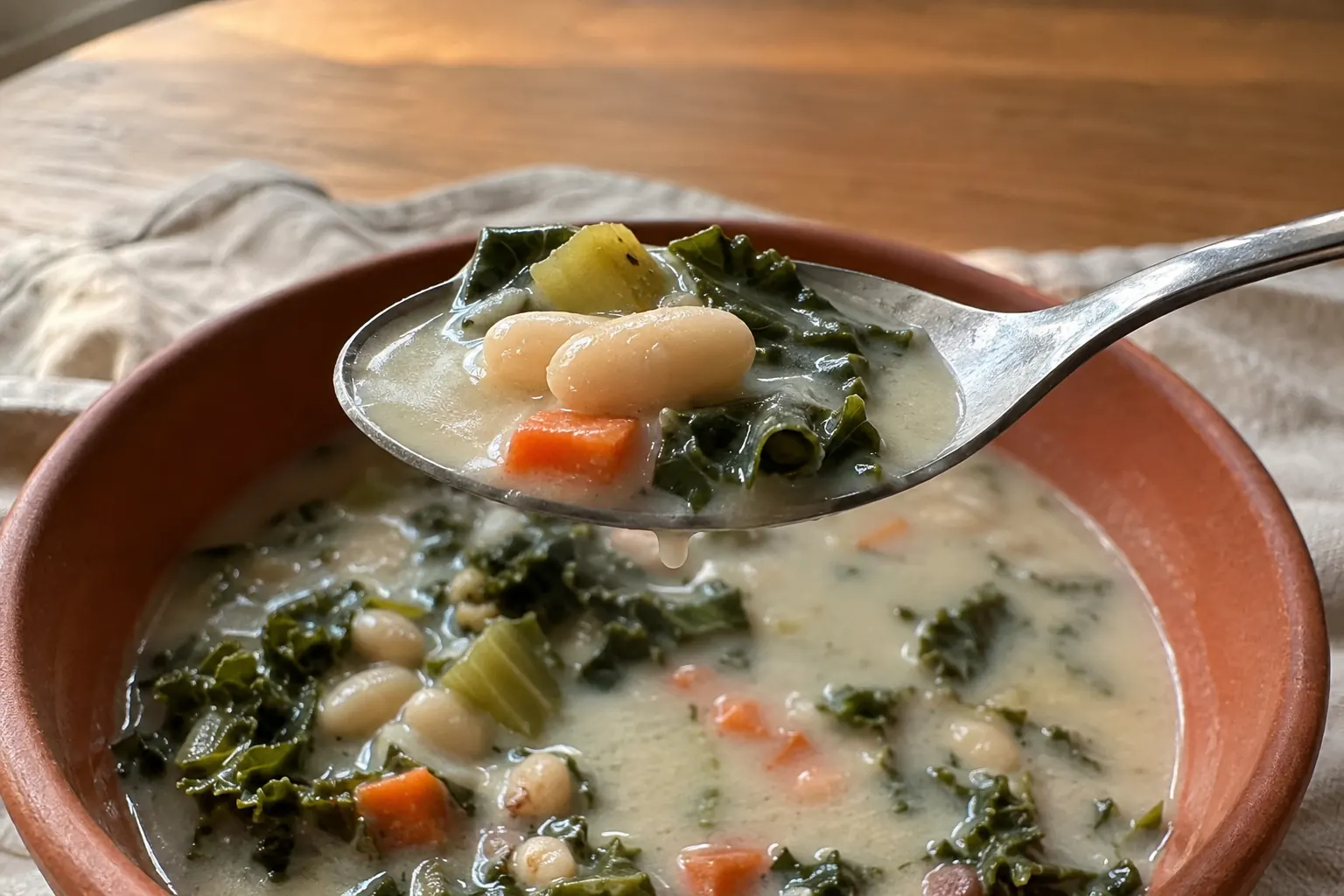
White beans release starch when they are crushed or blended, so the soup can become creamy without dairy or flour. Start by blending a smaller portion; you can always blend more, but you cannot easily put the whole beans back.
- Too thin: blend another ladleful of beans and vegetables, return it to the pot, and simmer briefly.
- Too thick: stir in warm broth a little at a time. The soup will continue to thicken as it cools.
- Too smooth: reserve some whole beans before blending and stir them back in with the kale.
- Kale feels tough: remove the thick stems, cut the leaves smaller, and give them the full 3–5 minutes at a gentle simmer.
- Flavor feels flat: add salt only after tasting, then use lemon juice, black pepper, rosemary, or Parmesan for contrast.
Easy Variations and Substitutions
Use a different white bean
Cannellini beans create the creamiest body, navy beans are smaller and firmer, and great northern beans are mild and versatile. Any of the three can work, but the final texture will vary slightly.
Swap the greens
Spinach and Swiss chard wilt faster than kale, so stir them in at the very end. If you use mature chard, separate the stems and cook those with the carrots and celery.
Change the finish
Add a 14-ounce can of diced or crushed tomatoes with the beans for a brighter tomato version, or keep the broth pale and finish it with rosemary and lemon. For more ingredient-swap ideas, browse these dairy-free soup recipes; always verify each product and topping for your own needs.
Pressure-cooker note: the previous version of this page gave a fixed one-minute pressure time without a complete liquid ratio, pot size, or tested yield. Those details work as a set, so this revision does not present that timing as a verified Instant Pot formula. Use a complete tested pressure-cooker recipe that matches your appliance and ingredients.
What to Serve with White Bean Kale Soup
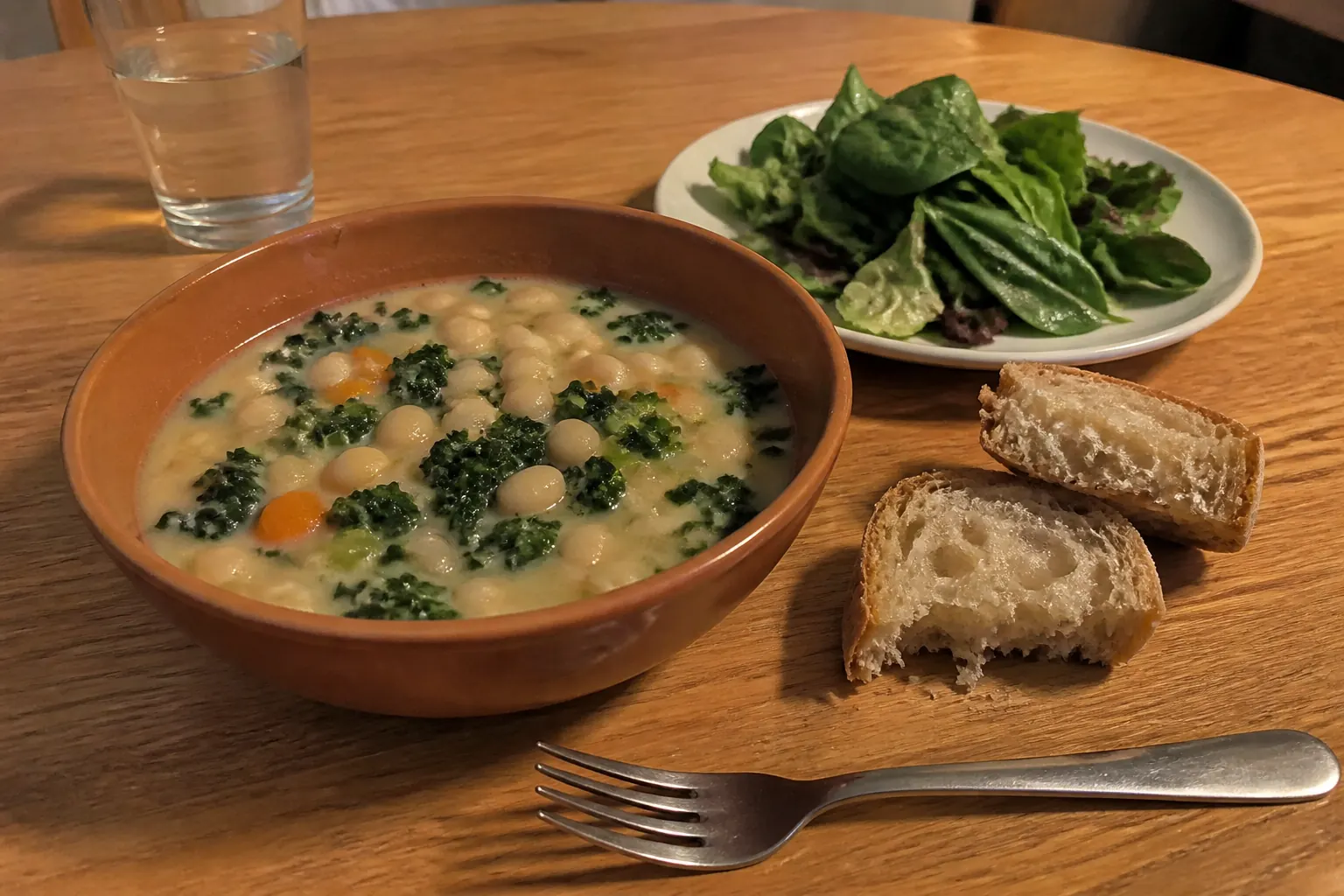
Crusty bread, garlic toast, or homemade croutons add crunch and soak up the broth. A crisp green salad or roasted vegetables add a fresh contrast. Keep toppings simple with parsley, lemon zest, black pepper, a drizzle of olive oil, or a modest amount of Parmesan.
For another pantry-friendly bean soup, try my lentil vegetable soup. If you are planning several cold-weather meals at once, this collection of cozy soup recipes gives you creamy, brothy, and hearty options to compare.
Storage, Freezing, and Reheating
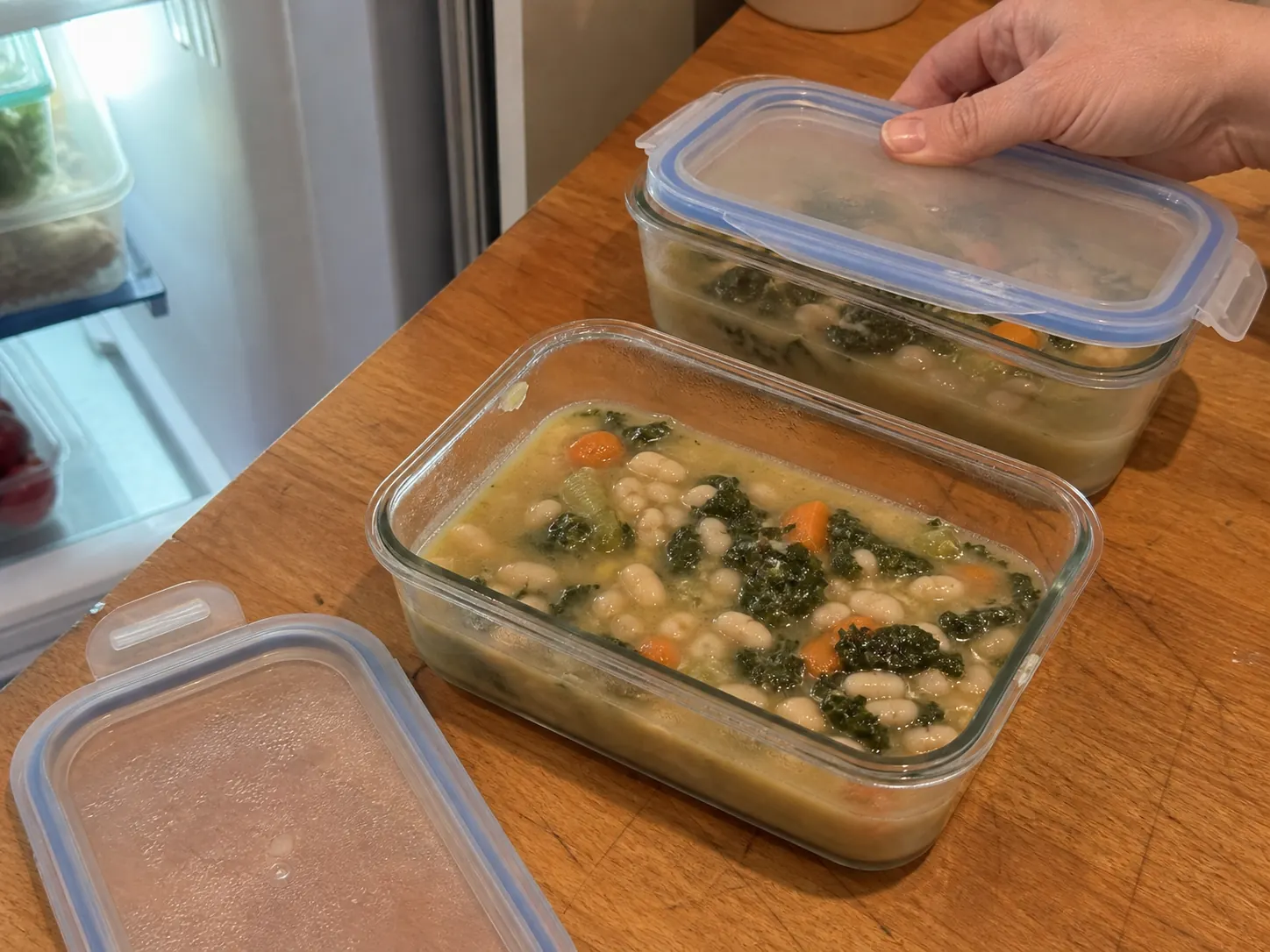
Do not leave a large pot of soup on the counter for a long cooling period. Divide leftovers into shallow containers and refrigerate within two hours. The USDA leftovers guidance recommends using most cooked leftovers within 3–4 days and reheating them to 165°F. Bring reheated soup to a rolling boil.
- Refrigerate: cover and keep at 40°F/4°C or below for 3–4 days.
- Freeze: freeze in meal-size containers with room for expansion. The soup base keeps its best texture when frozen without the kale; stir fresh greens in after reheating.
- Reheat: warm on the stove, stirring often, and add broth if the beans have made the soup too thick. Bring it to a rolling boil and verify 165°F throughout.
- Microwave: use a covered microwave-safe container with a vented lid, stir between intervals, and check several spots because microwaves can leave cold areas.
White Bean and Kale Soup FAQs
Which white beans work best in this soup?
Cannellini beans blend into the creamiest base, navy beans are smaller and hold their shape well, and great northern beans are mild. Use cooked beans and drain and rinse canned beans before adding them.
Do I need to rinse canned white beans?
Rinsing removes the packing liquid and gives you more control over the soup’s salt and consistency. Drain the cans in a colander and rinse briefly with cool water.
How do I make white bean soup creamy without cream?
Blend a portion of the cooked beans, vegetables, and broth, then stir it back into the pot. The starch from the beans thickens the broth while leaving enough whole beans for texture.
Can I use spinach or Swiss chard instead of kale?
Yes. Both wilt faster than kale, so add the leaves at the end and cook only until tender. Mature chard stems can be chopped and sautéed with the carrots and celery.
How do I keep kale from becoming tough or bitter?
Remove the thick stems, cut the leaves into bite-size pieces, and add them after blending. A gentle 3–5 minute simmer softens the leaves without cooking them until gray; lemon at the end can brighten the flavor.
Can I make this soup ahead or freeze it?
Yes. Refrigerate the cooled soup in shallow covered containers for 3–4 days. For the best frozen texture, freeze the bean-and-vegetable base without the kale, then add fresh greens while reheating.
Is white bean and kale soup vegan or gluten-free?
It can be, but the name is not enough to confirm it. Use vegetable broth and dairy-free toppings for a vegan bowl, and check the broth, seasonings, toppings, and all packaged ingredients for appropriate gluten-free labels when needed.


