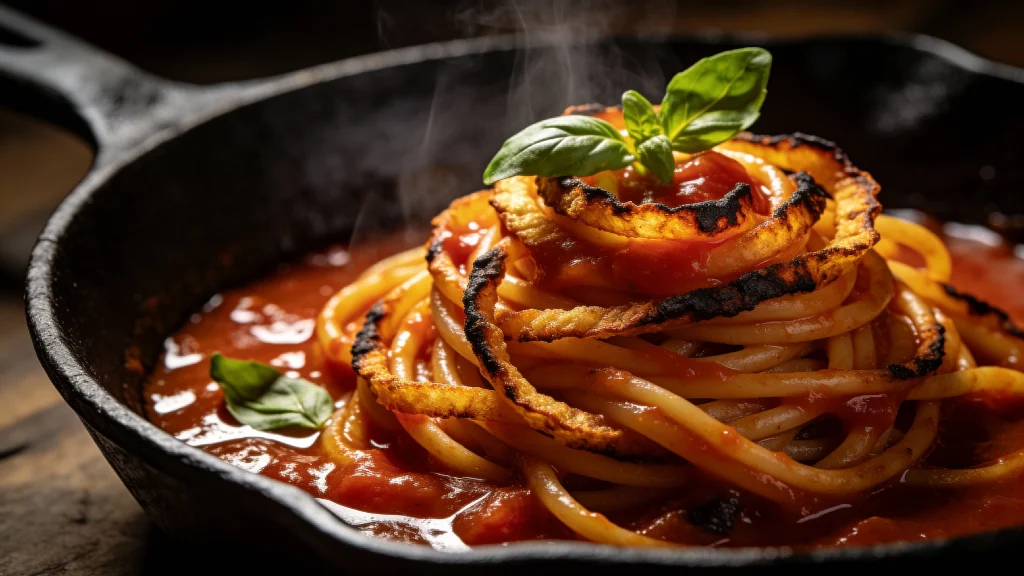
I still remember the night I tried charred “killer’s spaghetti” after a long day. I crisped uncooked noodles in a skillet, then let them cook like risotto in tomato juices. The result had crunchy-chewy bits that made everyone at the table laugh and reach for seconds.
That one-skillet trick taught me more than a flashy stunt. It showed how finishing noodles in reduced sauces—like clam liquor for spaghetti alle vongole—or melting cheese slowly for cacio e pepe makes a simple recipe feel special.
My playbook mixes pantry power with quick techniques. Olive oil, garlic, olives, capers, and a toss of Parmesan save time and lift flavor. I build weeknight mac right in the sauce, pull together gnocchi from flour in minutes, and prep pasta salads ahead so my family can grab a ready meal.
Key Takeaways
- One-skillet methods add texture and cut cleanup.
- Finish noodles in sauce or cooking liquid for deeper flavor.
- Pantry staples deliver big taste with little fuss.
- Whole-box strategies reduce waste and save time.
- Quick gnocchi and make-ahead salads keep weeknights calm.
Why I Reach for Pasta on Busy Weeknights
Busy evenings push me to pick meals that are fast, flexible, and forgiving. I need a solution that works in a noisy kitchen and still tastes like I cared. One-pot methods fit that bill.
Ground turkey made with noodles in a single pan becomes a full meal with almost no gear to wash. Skillet lasagna lets me cook noodles in sausage-tomato sauce, then broil cheese on top for a quick finish.
Pantry sauces save time and errands. A simple puttanesca of olives and capers or an aglio e olio finished with garlicky breadcrumbs and lemon turns staples into bright, bold recipes.
- One-pot dishes cut cleanup so I spend less time in the kitchen and more time relaxing at home.
- Finishing noodles in their sauce makes weeknight cooking feel special without extra steps.
- These plates scale well, store easily, and give me a reliable, comforting meal when plans change.
pasta ideas for dinner: My Quick-Start Guide
A few staple jars and a hot skillet turn hectic nights into simple, tasty plates. I keep the approach short: grab a couple of pantry items, pick a shape, and finish the noodles in the cooking liquid or oil for depth.
Pantry power: tomatoes, olive oil, garlic, and red pepper
My go-to pantry list is stubbornly small: high-quality olive oil, fresh garlic, crushed red pepper, and canned tomatoes. These ingredients make quick sauces, brightened by a squeeze of lemon or a splash of starchy pasta water.
I toast garlic gently in oil to bring out sweetness, then add red pepper for heat without extra fuss. A short simmer turns canned tomatoes into a sauce that clings when I toss in the noodles.
Choosing the right pasta shape for the sauce
I think of shape like a tool. Ridged rigatoni grabs chunky ragùs, long strands pair with silky oil-based sauces, and bronze die-cut spaghetti holds texture better because of its rough surface.
- Match thickness: sturdy shapes with thick sauce, thin strands with glossy oil sauces.
- Puttanesca shows briny olives and capers can stand in for anchovies and build bold flavor fast.
- For charred depth, I sometimes kiss spaghetti in a skillet with tomato juices to get concentrated, crispy bits.
| Shape | Best with | Why |
|---|---|---|
| Rigatoni | Chunky ragù | Ridges trap meaty bits |
| Spaghetti (bronze) | Oil-based or light tomato | Rough surface holds sauce |
| Shells | Vegetable bits, cream | Scoops chunky morsels |
Quick Weeknight Pasta Recipes I Make on Repeat
When the clock runs late, I pull from a short list of reliable, fast recipes. Each one is built to finish in the pan and come together with a splash of reserved cooking water.
Spaghetti aglio e olio with garlicky breadcrumbs and lemon
I sizzle sliced garlic in plenty of olive oil, toss in spaghetti, then shower garlicky toasted breadcrumbs, lemon zest, and parsley. A squeeze of lemon and extra oil brightens every bite.
Skillet lasagna with Italian sausage and bubbling cheese
I break lasagna noodles into 3-inch pieces and stand them in sausage-tomato sauce so they soften evenly. I finish by burying the top with cheese and broiling until bubbly.
One-pot ground turkey pasta with tomatoes
This one-pot approach cooks everything together; I often swap ground turkey for chicken or beef. Cherry or canned tomatoes add sweetness while the cooking water helps the sauce cling.
Puttanesca with briny olives and capers
I use two kinds of olives plus capers to build deep savoriness that offsets tomato sweetness. Red pepper flakes add heat you can dial up or down.
Buttered noodles with Parmesan and cracked black pepper
Butter, grated Parmesan, and a big crack of pepper make a simple, stellar dish. A splash of reserved water gives gloss and helps the cheese melt into a silky coating.
| Recipe | Cook Time | Key perk |
|---|---|---|
| Spaghetti aglio e olio | 15 min | Crunchy breadcrumbs & bright lemon |
| Skillet lasagna | 30 min | Cheesy layers, one-pan finish |
| One-pot ground turkey pasta | 20 min | Customizable protein, minimal cleanup |
| Puttanesca | 18 min | Briny olives + capers balance tomatoes |
| Butter & Parmesan noodles | 10 min | Fast, comforting, pantry-first |
No‑Cook and Minimal‑Cook Sauces That Save Me Time
On sweltering nights I skip the stove and rely on sauces that need almost no heat. These mixes come together while the linguine boils and taste bright and fresh with minimal fuss.
Fresh tomato‑herb‑ricotta tossed on hot linguine
I mash crushed tomatoes with chopped herbs and a pinch of salt, then fold in creamy ricotta. Tossing this mix with hot linguine softens the tomatoes and melts the cheese into a silky coating.
This quick recipe needs just good tomatoes and salt; basil is optional if I want extra lift.
Blender parsley pesto with anchovy umami
I blitz parsley, a splash of oil, garlic, and one oil‑packed anchovy until bright and green. The single anchovy adds deep umami without nuts or Parmesan, so the sauce stays vibrant and light.
A few tablespoons of reserved cooking water help the emulsion cling to every strand.
Bright lemon‑butter sauce with a splash of pasta water
I whisk cold butter with a little lemon juice and juice from the fruit, then temper it with warm cooking water. The technique preserves lemon aroma better than cream and yields a glossy, stable sauce.
I season assertively and top with chopped herbs or toasted crumbs to add texture.
| Sauce | Prep Time | Key ingredient |
|---|---|---|
| Tomato‑ricotta | 5 min | Fresh tomatoes |
| Parsley pesto | 4 min | Oil‑packed anchovy |
| Lemon‑butter | 3 min | Fresh lemon |
Classic Italian Pasta Recipes I’ll Always Love
Old-school recipes taught me how heat and timing create big flavor from little work. These three classics show how a few details make a meal sing.
Cacio e pepe with melty cheese and silky sauce
Cacio e pepe is all about technique. I grate fine cheese, control heat, and use starchy water to form a glossy sauce that never clumps.
A single-skillet finish keeps starch where I need it and cuts variables that wreck texture.
Spaghetti all’assassina — charred killer’s spaghetti
All’assassina chars dry spaghetti in a hot pan, then I add tomato liquid slowly, risotto-style. That builds crunchy-chewy bits and deep, smoky flavor.
Spaghetti alle vongole with wine and parsley
For alle vongole I undercook the spaghetti, then finish it in reduced clam juices. Garlic, white wine, and parsley let the brine shine.
Restraint matters: a few ingredients, strong technique, big results.
- Melt cheese fully off the heat for a velvety cacio pepe.
- Add tomato liquid gradually to develop char and texture in all’assassina.
- Finish spaghetti in clam juices so strands soak up briny sweetness.
| Dish | Key move | Why it works |
|---|---|---|
| Cacio e pepe | Fine-grated cheese + starchy water | Creates a silky, stable sauce |
| All’assassina | Char dry spaghetti, add liquid slowly | Gives crunchy edges and concentrated flavor |
| Alle vongole | Finish undercooked spaghetti in clam jus | Strands absorb briny, aromatic broth |
Creamy Comforts Without the Fuss
When comfort calls, I reach for creamy sauces that come together in minutes. A simple Parm cream keeps the texture glossy and avoids stringy clumps. I learned to manage heat and finish off the cheese away from direct flame.
Parmesan cream “fix”
My Parmesan cream fix is three things: cream, grated Parmesan, and a squeeze of lemon. Mix off heat and thin with a splash of warm pasta water to keep it pourable and silky.
Weeknight mac cooked right in the sauce
I cook the mac directly in the cream to trap starch where it belongs. The result is an ultra‑creamy mac cheese with less fuss and minimal pots to wash.
Alfredo upgrades and lemony twists
A tight crack of pepper cuts richness and wakes the dish up. I swap some butter for cream and add zest when I want a bright al limone note. Breadcrumbs add crunch after a minute under the broiler.
| Fix | Key step | Best shapes |
|---|---|---|
| Parmesan cream | Combine cheese off heat, thin with cooking water | Elbows, shells, cavatappi |
| Mac in sauce | Cook short shapes in cream for starch binding | Elbows, small tubes |
| Lemon twist | Use butter to preserve citrus aroma | Long or short shapes work |
Vegetarian Pasta Dishes Packed with Flavor
Vegetarian plates taught me that big flavor doesn’t need meat. I relied on technique and bold seasoning to make each dish feel complete.
Sugo finto: veggie ragù with meaty texture
Sugo finto cooks onions, carrots, celery, and tomato until the mix took on a rich, meaty texture. I added diced portobello to deepen savoriness and create tender bits that mimicked slow-cooked ragù.
Zucchini carbonara with egg, cheese, and pepper
Zucchini carbonara swapped guanciale for browned zucchini. I tempered eggs off heat, stirred in starchy cooking water, and finished with grated cheese and cracked pepper so the sauce stayed glossy, not scrambled.
Broccoli-sauce rigatoni: Roman-style green and silky
I peeled stalks and puréed them into a bright, silky sauce that hugged rigatoni ridges. A drizzle of olive oil and a scatter of toasted nuts added texture and aroma.
- Sugo finto feels like a meatless ragù that eats like a treasured dish.
- Browned zucchini delivers chew and richness that fools the palate.
- Purées of stalks make sauces that cling and look vivid green.
| Dish | Key move | Best shape |
|---|---|---|
| Sugo finto | Long simmer of minced vegetables + portobello | Short tubes or shells |
| Zucchini carbonara | Brown zucchini; temper eggs off heat | Long strands |
| Broccoli sauce rigatoni | Purée peeled stalks; finish with cooking water | Ridged rigatoni |
Meaty Mains: Sausage, Chicken, and Ground Favorites
When I want something meaty and fast, I head straight to a skillet and build a sauce that tastes like it simmered all day.
These mains stretch a little protein into big flavor with smart shortcuts. Each recipe leans on good pan color, a splash of acid, and a final splash of cooking water or butter.
Sausage and mushroom ragù with red wine warmth
A quick sausage ragù gets depth from red wine, canned tomatoes, and a pinch of cinnamon. Mushrooms add texture and stretch the meat while keeping the sauce hearty.
Chicken tossed into lemony spaghetti
When I have cooked chicken on hand I fold it into lemony spaghetti. A bright squeeze of lemon and parsley keeps the plate fresh and fast.
Spaghetti and meatballs inspired by Abruzzo pallottine
Tiny pallottine cook quickly and pair beautifully with squared chitarra or bronze die-cut strands. I scale them small so every bite has meat and sauce.
| Dish | Key ingredient | Quick tip |
|---|---|---|
| Sausage & mushroom ragù | Red wine + cinnamon | Brown well, simmer briefly |
| Lemony chicken spaghetti | Cooked chicken + lemon | Toss to warm; finish with parsley |
| Pallottine meatballs | Ground meat, small size | Use bronze spaghetti or chitarra |
Seafood Suppers That Cook Fast
Seafood has always been my shortcut to a meal that feels both special and effortless.
I finish linguine in reduced clam juices so every strand soaks up briny flavor. I undercook the noodles, then add garlic, white wine, and parsley and let the sauce tighten around the pasta. A quick squeeze of lemon before serving lifts the whole plate without stealing the clams’ voice.
When I want an easy make-ahead option, smoked salmon pasta salad is my fallback. The noodles are already cooked, so dinner becomes assembly and a short chill. I toss in chopped vegetables, lemon juice, mayo, capers or dill, and season carefully—smoked fish and clam liquor can be salty.
Linguine with clam sauce
- Undercook the pasta, finish in reduced clam juices.
- Use garlic, white wine, and parsley for lift.
- Add lemon at the end and keep the sauce light to let clams shine.
Smoked salmon pasta salad
- Toss cooked noodles with lemon, mayo, capers or dill, and crunchy veggies.
- Short chilling time keeps texture firm for tomorrow’s lunch.
- Finish warm dishes with breadcrumbs or a drizzle of good olive oil when needed.
| Dish | Main lift | Quick tip |
|---|---|---|
| Linguine with clams | Clam liquor + wine | Finish noodles in sauce for full flavor |
| Smoked salmon salad | Lemon + mayo | Chill briefly; packs well for lunch |
| Warm seafood toss | Olive oil or crumbs | Add a final crunch or sheen before serving |
Tomato-Forward Pastas I Crave
Tomato-forward plates have been my go-to when I want bold, simple flavor with little fuss. I move between quick skillet tricks and slow, oven-simmered comfort depending on time and mood.
Pistachio-tomato skillet sauce with pasta water magic
A Sicilian-inspired skillet sauce comes together in minutes. I sweat chopped grape tomatoes in hot oil until they soften, then stir in crushed pistachios.
A splash of reserved cooking water turns the nuts and tomato into a creamy-crunchy emulsion. I finish with a pinch of pepper and salt to lift sweetness and nutty richness.
Slow-simmered ragù with pancetta and short ribs
When I want deep comfort I roast pancetta and sear short ribs, then oven-simmer the mix for about three hours. The low, steady heat breaks the meat down into a thick, almost paste-like ragù that clings to short shapes.
I make extra and refrigerate it—it keeps five days and tastes even better after a day off. A final drizzle of olive oil brightens the heavy sauce before serving.
Kissed-by-the-skillet tomato spaghetti, Bari-style
For a fast, bold option I cook dry strands in tomato juices, letting edges char a little for concentrated bite. That “kiss” of char adds chew and smoky depth without extra ingredients.
Pasta water is non-negotiable across these recipes; the starch is what makes the sauce glossy and cohesive. I match chunky ragù with sturdy shapes and silky tomato sauces with long strands.
- Quick pistachio-tomato is a weeknight miracle.
- Slow ragù rewards patience and stores beautifully.
- Skillet-charred spaghetti gives instant, intense flavor.
Lemon Lovers: Bright, Zesty Pasta Recipes
I learned on the Amalfi Coast that citrus can guide a sauce more than cream ever could. Butter-emulsified lemon oil preserves aroma and keeps the finish bright.
I make spaghetti al limone by zesting first, then squeezing fresh lemon juice so I control brightness and avoid bitterness. I melt butter, whisk in a ladle of starchy water, and toss the hot noodles until the sauce glows.
Pepper gives a gentle heat that plays beautifully with lemon and butter. I salt lightly; citrus amplifies seasoning, so less often reads better on the plate.
Veg additions and finishing
Seasonal greens lift this dish. I toss in blanched asparagus tips or sautéed chard and finish with more zest for color and bite. Parmesan or Pecorino is optional; I usually keep it light to let citrus lead.
- Emulsify butter with a splash of cooking water for a glossy, light sauce.
- Zest before juicing to capture the bright oils.
- Toss off heat and use al dente spaghetti to prevent splitting.
| Component | Why it matters | Quick tip |
|---|---|---|
| Butter-emulsified oil | Preserves lemon aroma | Whisk cold butter into warm water for gloss |
| Lemon zest + lemon juice | Layered citrus brightness | Zest first; add juice last to taste |
| Veg add-ins | Seasonal color and texture | Blanch asparagus; sauté chard briefly |
Gnocchi Nights: Pillowy, Saucy, and Fast
When I want something pillowy and fast, I reach for gnocchi and a hot skillet. These little dumplings finish in minutes and forgive a lot.
Flour gnocchi finished with pancetta, garlic, and Parmesan
Flour gnocchi di farina is just flour, water, and salt. I sometimes make them the night before.
I crisp pancetta in oil, add a kiss of garlic, then toss the boiled gnocchi and shower Parmesan. A small ladle of pasta water keeps the coating glossy.
Gnocchi alla Sorrentina with bubbling tomatoes and cheese
This baked recipe layers tomato sauce and torn melting cheese. Ten minutes under the broiler gives a bubbly top that everyone loves.
Gnocchi with pesto alla Genovese
For a quick lift I toss store-bought dumplings with a robust Genovese pesto. Lots of Parm and pecorino make the sauce cling and sing.
- Boil, toss, and serve—comfort in minutes.
- Keep sauces balanced; gnocchi need a glossy coat, not a blanket.
- Finish with basil, black pepper, or chili flakes to set the vibe.
| Style | Main finish | Best tip |
|---|---|---|
| Flour gnocchi | Pancetta + garlic + Parmesan | Make ahead; crisp pancetta in oil |
| Alla Sorrentina | Tomato sauce + melting cheese | Bake briefly to bubble and brown |
| Pesto Genovese | Pesto with Parm & pecorino | Use a robust sauce so it grips dumplings |
Pasta Salads and Make-Ahead Dishes for the Family
I keep a few make-ahead salads in the fridge so family nights stay calm and tasty. These bowls travel well, hold up after a short chill, and often taste better the next day.
For a Greek-inspired bowl I soak thinly sliced onion in cold water to mellow the bite. Then I toss cooked shells with cherry tomatoes, cucumber, olives, feta, and an herby olive oil dressing that ties the garden veggies to the cooked shapes.
Creamy blender-dressed shell salad
I blitz a quick creamy dressing in a blender to speed prep. Cook shells and hardy veggies like carrots or peas in the same pot to save time and one sink load.
A splash — about 1/4 cup — of reserved cooking water helps oil-based dressings emulsify and cling. To turn a side into a full meal, I fold in a can of white beans or chopped smoked salmon with lemon and herbs.
- Make ahead: chill for an hour so flavors meld.
- Salt lightly; feta, olives, and smoked fish add salt on their own.
- For kids, a scoop of mac-style dressing makes the dish nostalgic and crowd-pleasing.
| Salad | Main lift | Best tip |
|---|---|---|
| Greek herby oil | Olive oil + herbs | Soak onions; toss cold for a crisp finish |
| Creamy shell salad | Blender dressing | Cook shells and veggies together; add 1/4 cup cooking water |
| Smoked salmon + beans | Protein boost | Fold in lemon and beans to make it a full meal |
Whole‑Box Wins: Using All 16 Ounces Without Waste
When a full box waits in the pantry, I treat it like a chance to batch‑smart without fuss. Cooking the entire 16‑ounce package saves time and avoids that handful of stray noodles that never quite fit into a later meal.
Scaling sauces and saving water for perfect cling
I scale sauce by doubling aromatics and tomatoes when I use the whole box. I always reserve at least one cup of cooking water and often two cups so I can loosen or thicken the sauce as needed.
That starchy water is the way I get a glossy, even coat without adding fat. Taste before seasoning—large batches concentrate salt differently once the water goes in.
Smart add‑ins: beans, veggies, and leftover proteins
One‑pot and skillet methods handle full quantities well. I toss in beans, spinach, zucchini, or roasted peppers to stretch the dish and boost nutrition.
Leftover roast chicken or sliced sausage slides into lemon, butter, or tomato sauces and turns a side into a full meal fast.
- Cook the box whole; scale sauce so nothing is wasted.
- Reserve 1–2 cups of cooking water for emulsification.
- Stretch with beans, veg, or leftover proteins to make more dishes.
| Action | Why it helps | Quick tip |
|---|---|---|
| Cook full 16‑oz box | Eliminates stray leftovers | Double aromatics and tomatoes |
| Reserve cooking water | Controls sauce cling and gloss | Keep 1–2 cups on hand |
| Add beans or veg | Stretches servings + nutrition | Spinach wilts quickly; beans add protein |
| Use leftovers | Quick protein boost | Tuck in chicken or sausage at end |
My Favorite Cheeses and Finishing Touches
The final sprinkle or drizzle is where simple food becomes special in my kitchen.
I pick cheeses to steer flavor: Pecorino Romano for a salty, punchy edge and Parmesan when I want nutty, mellow depth. Using both together often gives the best balance in pesto and other green sauces.
Ricotta salata is great crumbled on vegetable plates. If I can’t find it, Pecorino Romano or even cotija mimics the texture and saltiness well.
I rely on crunchy breadcrumbs, good olive oil, fresh-cracked pepper, and a pinch of red pepper to finish most recipes. Lemon zest or a squeeze brightens a rich dish and makes flavors pop right before serving.
- I reach for Pecorino when I want bite; Parmesan for roundness.
- Toasted garlic breadcrumbs add texture and savory crunch.
- A light drizzle of oil and a lemon squeeze lift everything.
| Finisher | Role | Best with |
|---|---|---|
| Pecorino Romano | Sharp salt, bold finish | Greens, pesto, cacio-style plates |
| Parmesan | Nutty, mellow depth | Cream sauces, grating at the end |
| Ricotta salata / Cotija | Crumbly texture, salty lift | Vegetable dishes, salads |
From Pantry to Plate: Staples I Always Keep at Home
A well-chosen shelf of briny, oily, and canned goods keeps my meals simple and bold. I reach for these items first when time is short and flavor matters.
Anchovies, capers, olives, canned tomatoes, and quality oil
I stock anchovies, capers, and olives so I can build briny, complex sauces like puttanesca straight from the pantry. Good canned tomatoes—think San Marzano-style—handle quick reductions and long ragùs with equal grace.
Quality olive oil underpins aglio e olio and many no-cook mixes. One anchovy fillet adds almost colatura-level umami to a parsley pesto or simple drizzle.
- I keep dried spaghetti, ridged short shapes, and one bronze die-cut option for better sauce cling.
- Garlic, red pepper flakes, and black pepper are daily drivers in my kitchen.
- Parmesan and Pecorino wedges get grated fresh to finish many recipes.
| Staple | Role | Quick use |
|---|---|---|
| Anchovies | Umami booster | One fillet in pesto or puttanesca |
| Canned tomatoes | Base for sauce | Reduce fast or simmer low-and-slow |
| Olive oil | Cook & finish | Use cold to finish or hot to cook |
Finally, I always scoop a cup of pasta water before draining. With these ingredients at home, I can put real food on the table in 20 minutes most nights.
Common Mistakes I Avoid for Better Pasta at Home
Small habits in the kitchen made the biggest difference in how my plates turned out. I learned to guard texture and shine by changing just a few moves.
I never skip saving cooking water. Without that starchy ladle, sauces won’t emulsify and the noodles lose glossy cling. I also avoid overcooking spaghetti and other noodles; I undercook a minute and finish in the pan so flavor soaks in.
For cheese-based dishes like cacio e pepe, I melt cheese gently off the heat and use starch plus fat to reach the right viscosity. For spaghetti alle vongole I always finish the strands in reduced clam juices. And with all’assassina I add tomato liquid slowly so edges char and texture concentrates.
- I season boiling water well and salt sauces cautiously since reductions concentrate flavor.
- I keep a measured ladle nearby to add cooking water in controlled amounts.
- I finish cheese or egg-bound sauces off heat to avoid graininess or scrambling.
- I match sauce and shape so thin sauces pair with long strands and chunky ragùs with ridged tubes.
| Mistake | Why it fails | Quick fix |
|---|---|---|
| Not saving water | Sauce won’t bind; noodles stay dry | Reserve 1 cup before draining |
| Overcooking noodles | Loss of bite and poor absorption | Undercook 1 min; finish in sauce |
| Adding cheese to high heat | Grainy, separated sauce | Melt off heat with starch and butter |
These small fixes change the way I cook and make my recipes and dishes much more reliable.
Conclusion
Tiny adjustments in timing and heat lift humble ingredients into dishes that feel intentional. I lean on single-skillet cacio e pepe, skillet lasagna, parsley pesto with anchovy, charred all’assassina, and clam-finished spaghetti to keep meals lively without fuss.
Whole-box cooking, pasta-water emulsions, and make-ahead salads cut waste and save time. A quick sprinkle of cheese, toasted crumbs, herbs, or a drizzle of oil adds polish fast.
Use this guide as a short menu of recipes you can trust. Pick what fits your pantry and mood, keep notes on tweaks, and then cook. Now it’s your turn—open the pantry, boil water, and make a dish that makes the whole family happy.


