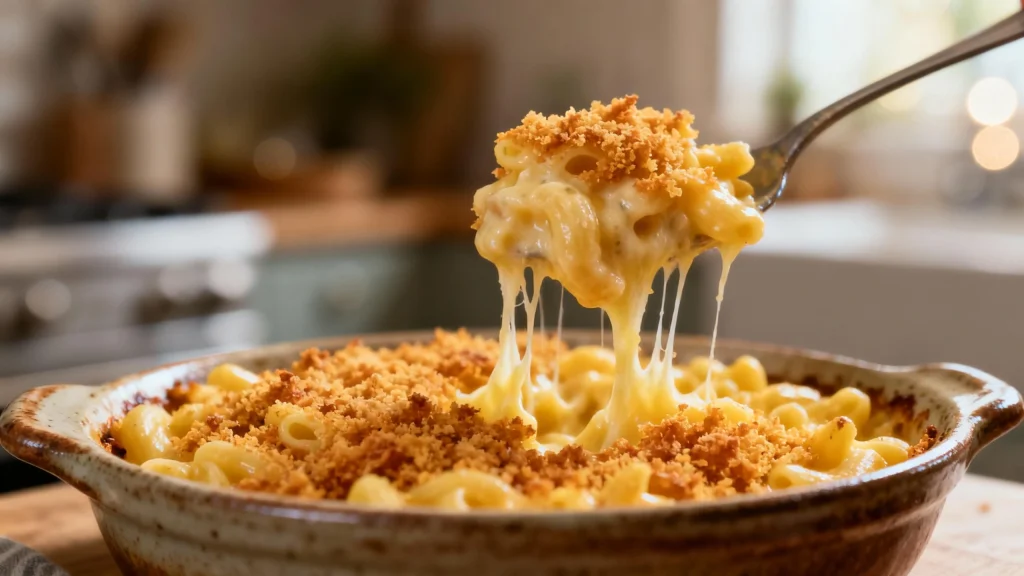
I still call this the best baked comfort dish I know. One snowy night I rushed dinner after work and hoped for the best. The first bite shut down the chaos and proved simple technique beats fuss.
My trick is to undercook the pasta by one minute, toss it with butter so it won’t swell, and finish in the oven. I start a butter‑flour roux, whisk in warmed milk until the sauce thickens, then remove the pan before I add grated cheese for a silky finish.
I grate my own cheddar and Gruyere to avoid grainy lumps. A crunchy panko topping bakes golden in a 2.5‑quart dish for about 25 minutes at 350°F.
This short guide will show timing, small tips, and how to store or reheat so you can make a smooth homemade mac cheese that serves as a perfect side or main for busy weeknights and holidays.

Why my baked mac and cheese hits creamy, golden perfection
The secret to a glossy, saucy bake starts with how I build my base on the stovetop. I make a roux, then whisk in warmed milk slowly so the sauce becomes thick in about 5–8 minutes and coats the back of a spoon.
I take the pan off the heat before I stir in grated cheese to keep the mixture smooth. I use Gruyere for a nutty melt, mozzarella for stretch, and a bit of sharp cheddar for bright flavor. I grate my own cheese for a silky finish.
- I toss drained pasta with a little butter right after cooking so each piece stays separate.
- I bake at 350°F and stop when the top turns lightly golden to avoid drying the interior.
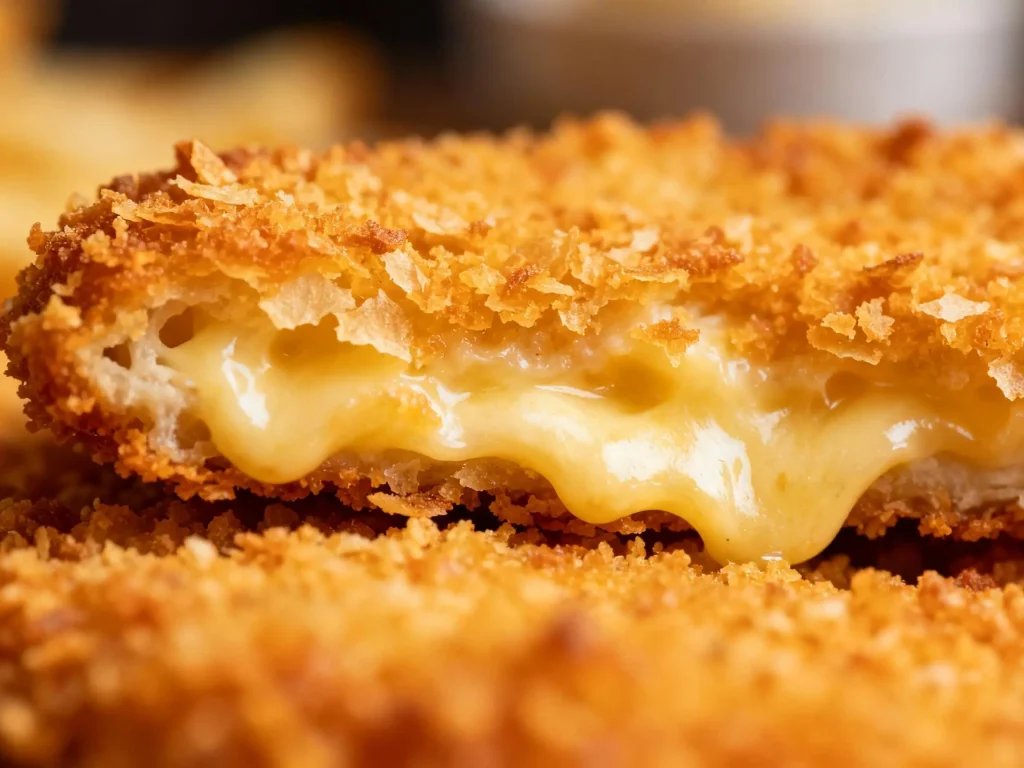
- A buttery panko top gives crisp contrast to a glossy, creamy cheese sauce inside.
Careful heat control and timing make this a reliable baked mac. The result is a scoopable, saucy dish with a golden top and a custardy center every time.
Ingredients and the cheeses I grate by hand
I keep the ingredient list short so the sauce stays honest and glossy. I start with elbow or another short pasta like shells or cavatappi because those shapes hold sauce in every curve.
Pasta, dairy, and pantry staples
For the base I use unsalted butter, all-purpose flour, and warmed milk. Warm milk prevents lumps and full-fat gives richer results, but low-fat works in a pinch.
The cheese lineup I grate myself
My core trio is Gruyere for nutty melt, a sharp cheddar for tang, and mozzarella for that stretchy pull. I grate each block by hand to avoid anti-caking agents that can make the cheese sauce grainy.
Optional seasonings and the crunchy topping
I build flavor with a pinch of salt and a light dusting of garlic powder, onion powder, or mustard powder. For texture, I toss panko with melted butter and a touch of salt so it browns crisp without drying the bake.
| Item | Flavor Role | Melting Quality | Use (cups) |
|---|---|---|---|
| Gruyere | Nutty, rich | Excellent, silky | 1–1.5 cups |
| Sharp Cheddar | Tangy, bright | Good, flavorful | 1–2 cups |
| Mozzarella | Stretch, mild | Very stretchy, less salty | 1 cup |
| Panko topping | Crisp contrast | N/A | 0.5–1 cup |
Essential tools and baking dish sizes I rely on
Good gear makes the difference between a floppy bake and a saucy, golden one. I count on a few pieces of cookware to keep the process fast and the results consistent.
Use a heavy large pot to bring water back to a boil quickly. That keeps the pasta from sticking and helps the mac cook evenly in fewer minutes.
Core tools I reach for
- A wide saucepan or ovenproof skillet to build the roux and whisk milk into a silky sauce.
- A sturdy balloon whisk so I can stir fast and avoid lumps while the sauce thickens.
- An ovenproof skillet when I want to finish in the oven with fewer dishes to wash.
Which baking dish to use
A 2.5‑quart baking dish is my sweet spot for a single batch. It keeps the layer deep enough for a creamy center and a crisp top.
For double batches, I switch to a 9×13 baking dish so heat spreads evenly. Using a too-large dish for one batch makes the layer thin and dry.
| Batch size | Recommended dish | Why it works |
|---|---|---|
| Single | 2.5‑quart baking dish | Keeps depth for sauciness and a golden top |
| Double | 9×13 inch baking dish | Even heat distribution, avoids soggy center |
| Skillet method | 10–12 inch ovenproof skillet | Builds sauce and bakes in same pan |
Step-by-step: melt butter, make the roux, add milk, then add cheese
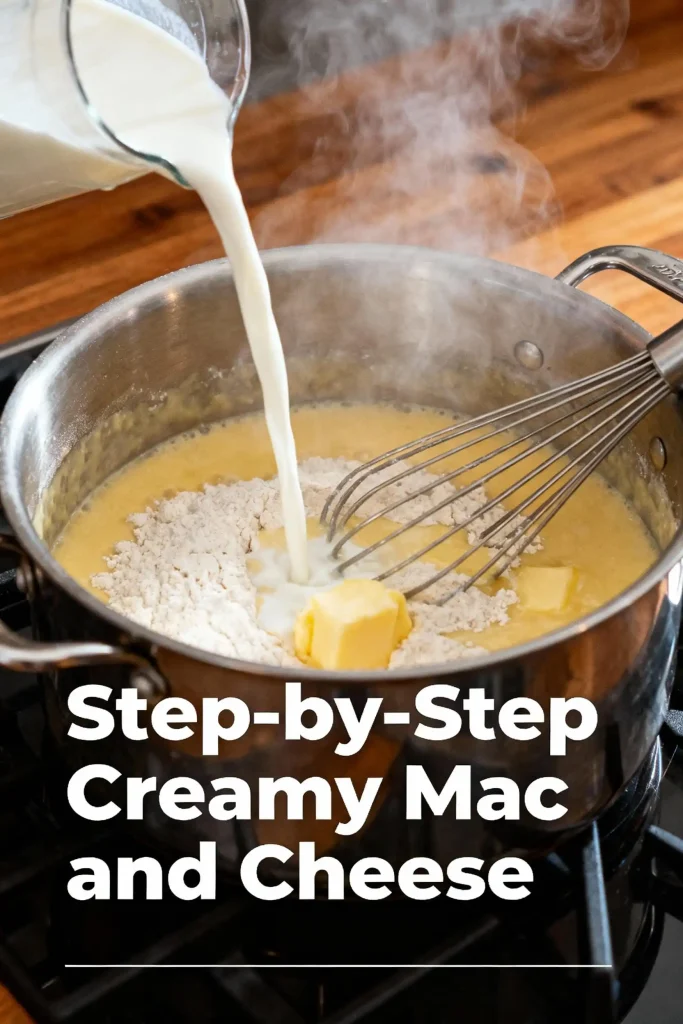
Start on the stove and keep your eye on timing—small steps make a silky sauce every time.
Cook the pasta just shy of al dente
Boil elbow macaroni per package directions minus one minute. Drain, toss with 1 tbsp butter, and set aside to cool slightly. That coating keeps the pasta from swelling in the oven.
Build a smooth roux over medium heat
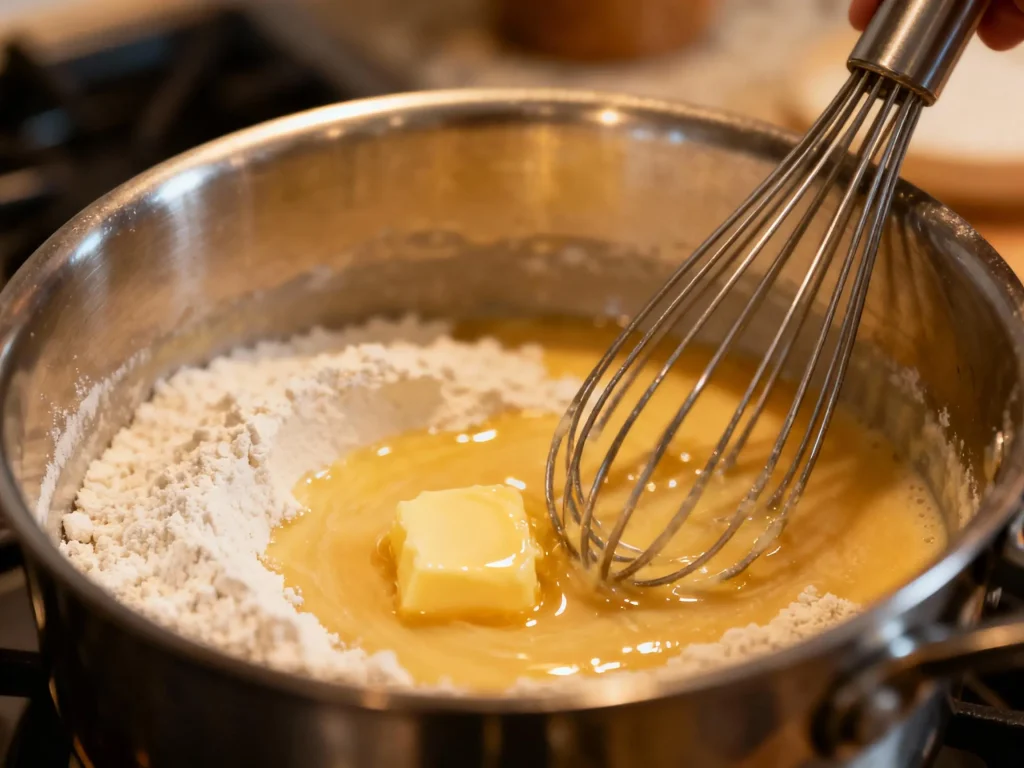
In a saucepan over medium heat, melt 4 tbsp butter. Stir in 1/3 cup flour and cook for one minute to remove the raw taste without browning.
Whisk in warmed milk to avoid lumps
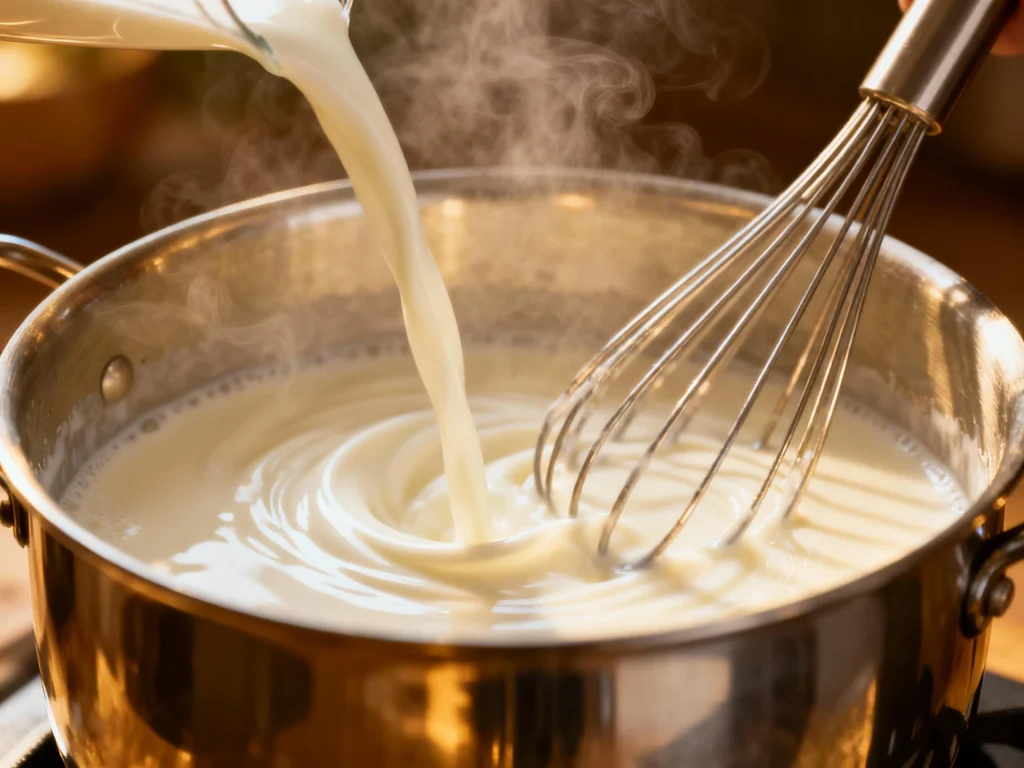
Add 1 cup warmed milk first to break up the paste, then whisk in the remaining milk. Keep stirring over medium heat for 5–8 minutes until the sauce thickens to coat a spoon.
Fold in shredded cheese off the heat
Remove the pan from the heat. Stir in 2 cups shredded main cheese and 1 cup mozzarella until smooth. Taste and adjust salt. The residual heat melts the cheese into a glossy sauce.
Assemble, top, and bake until lightly golden
- Combine pasta and sauce until well coated.
- Transfer to a baking dish, sprinkle panko mixed with melted butter and a pinch of salt.
- Bake at 350°F for about 25 minutes until the top is light golden. Watch the last few minutes so the baked mac stays saucy.
| Stage | Time / Minutes | Tip |
|---|---|---|
| Pasta | Package time – 1 | Toss with butter, set aside |
| Roux + milk | 1 + 5–8 | Warm milk first, stir constantly |
| Bake | 25 | Stop when top turns lightly golden |
mac and cheese recipe tips I swear by
I keep a handful of habits that guarantee a saucy, silky bake every time. These small moves save the dish from drying out and boost texture in seconds.
Under-cook pasta, toss with butter
I always undercook the pasta by about one minute. Then I toss it with a little butter so pieces don’t swell and steal moisture from the sauce while baking.
Grate your own for a glossy finish
Pre-shredded bags often include anti-caking agents. That can leave the sauce powdery. Freshly grated blocks melt into a glossy, nappe texture that feels luxurious on the fork.
Make extra sauce for an ultra-saucy bake
Plan for more sauce than you think you need. The oven will evaporate some liquid, so extra sauce keeps the interior spoonable instead of dry.
- Season lightly with salt at first; taste after the cheese melts to adjust.
- Pre-shred and measure if you are short on time to keep assembly calm.
- When reheating, warm gently then finish briefly under the broiler to re-crisp the topping without overcooking the center.
| Goal | Tip | Why it works |
|---|---|---|
| Prevent bloating | Undercook by 1 minute, toss with butter | Pasta stays firm and won’t absorb excess sauce |
| Smooth sauce | Grate cheese from a block | No anti-caking agents; melts silkier |
| Ultra-saucy finish | Add extra sauce before baking | Compensates for oven evaporation |
Customizations and flavor boosts for homemade mac cheese
Simple tweaks let me tailor the bake to whatever mood I’m in—comfort, spicy, or elegant.
I swap cheeses based on texture and melt. Colby or Monterey Jack gives mellow creaminess. Swiss adds nutty depth, while provolone brings stretch. If I want sharpness, I add a bit of cheddar cheese and balance it with a milder melting cheese so the sauce stays smooth.
- Heat and aromatics: mustard powder, garlic powder, and lots of black pepper for a gentle lift; fold in diced jalapeños for big heat.
- Add-ins: smoky bacon, pulled pork, lobster, or lump crab make the dish party-ready. Greens like sautéed leeks, broccolini, or baby spinach cut richness.
- Pasta shapes: medium shells and cavatappi cradle sauce; classic elbow macaroni keeps things traditional.
| Swap | Effect | When I use it |
|---|---|---|
| Colby / Monterey Jack | Mellow, creamy | Weeknight comfort |
| Swiss / Provolone | Nutty or stretchy | Elegant or melty pulls |
| Fontina + prosciutto | Rich, crab-style | Seafood bakes |
I keep the same method so my homemade mac stays reliable even with big twists.
Make-ahead, freezing, and how I reheat without drying out
A little planning keeps this bake tasting fresh for days. The key is cooling and assembly so the sauce stays stable through chilling or freezing.
Cool pasta, combine with sauce, then chill or freeze
I let the pasta cool a bit, then fold it into the sauce before refrigerating. That stabilizes the mixture and prevents the cheese sauce from separating in the freezer.
If I plan to freeze, I assemble fully—pasta, sauce, and topping—then cover the baking dish tightly. Refrigerate up to a day or freeze for longer storage.
Reheat with a splash of cream or milk and extra cheese
From the fridge I bake the chilled dish covered at 350°F for 15 minutes, then uncover and bake about 25 minutes until golden. From frozen, I thaw overnight for even heat-through and add minutes as needed.
- I often stir in a small cup of milk or cream and add extra cheese before reheating to refresh the emulsion.
- For quick plates, microwave gently, then broil a minute to crisp the topping without overcooking the center.
| Stage | Action | Why it helps |
|---|---|---|
| Chill | Mix pasta with sauce, cover | Stabilizes texture, prevents separation |
| Freeze | Assemble fully, wrap tight | Freezes evenly, keeps topping intact |
| Reheat | Add cream/milk, heat covered then uncover | Restores creaminess, crisps topping |
I save a little extra sauce when I can and set it aside. Stirring that in before reheating gives my homemade mac cheese a just-baked feel every time.
What I serve alongside this baked mac for a balanced plate
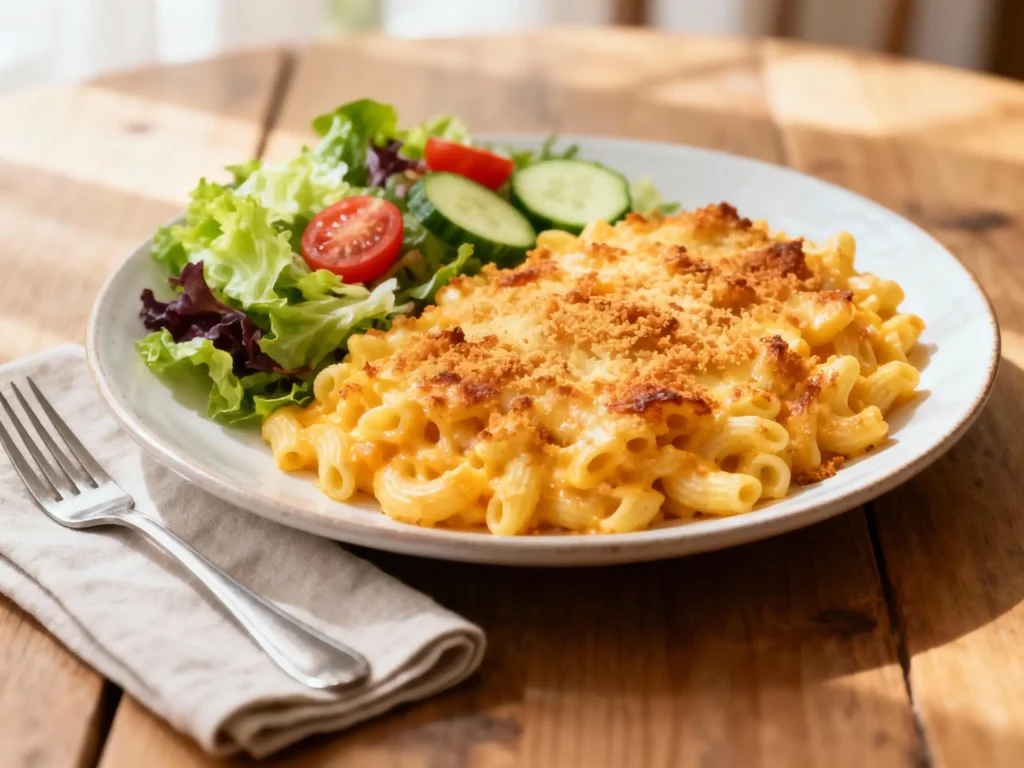
A few simple sides turn a hearty pasta bake into a full, balanced meal. I like a crisp green salad—arugula tossed with lemon or a basic mixed green—to cut the richness of the sauce.
For protein, I often plate the dish beside roast chicken, baked pork chops, a seared steak, or prime rib. At holidays it pairs well with turkey or pork roast and holds up on a buffet without losing its browned top.
I avoid ultra-light mains like tuna tartare; the textures clash. If timing matters, I roast vegetables in the last minutes of baking so everything arrives hot.
Right before serving I sprinkle flaky salt and chopped herbs on top. A small spoon of sour cream on the side is my comfort indulgence, used sparingly so the cheddar and Gruyere stay center stage.


