Looking for high protein soup recipes? Start with the ingredient you want at the center of the bowl: chicken, beans, lentils or tofu. Then choose a broth, vegetables and a texture you enjoy. This guide compares soup ideas from those groups and links to complete recipes where quantities and instructions are available.
Not every bowl below has a calculated protein amount. The two nutrition examples are estimates published with the linked recipes, for their stated serving sizes—not a promise that every variation contains the same amount. These are recipe ideas and source-based comparisons, not a record of recipes tested in this kitchen.
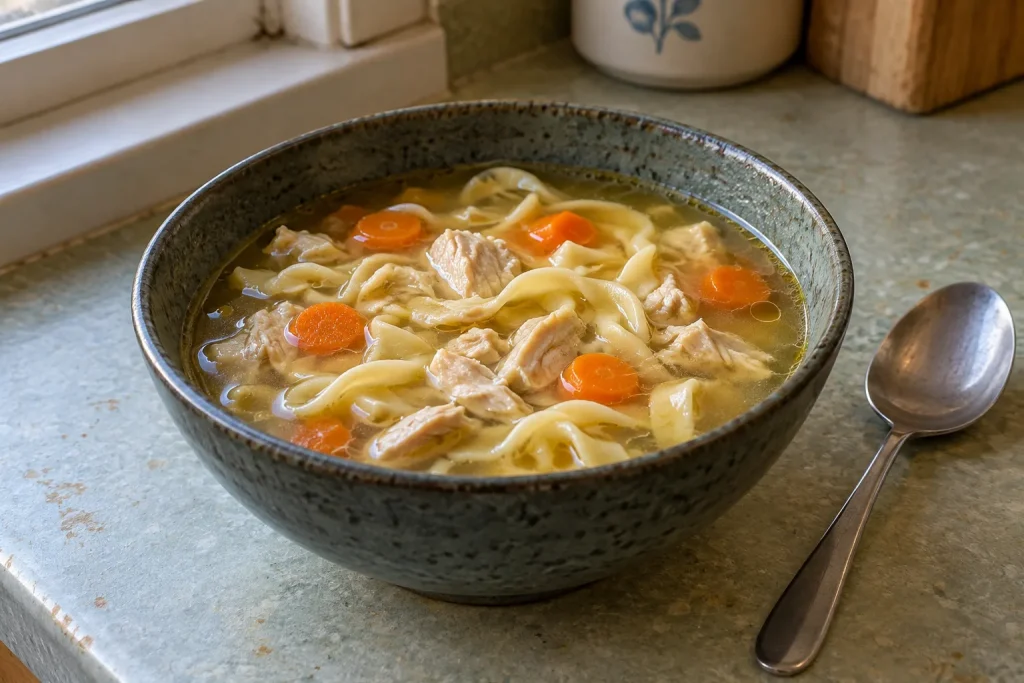
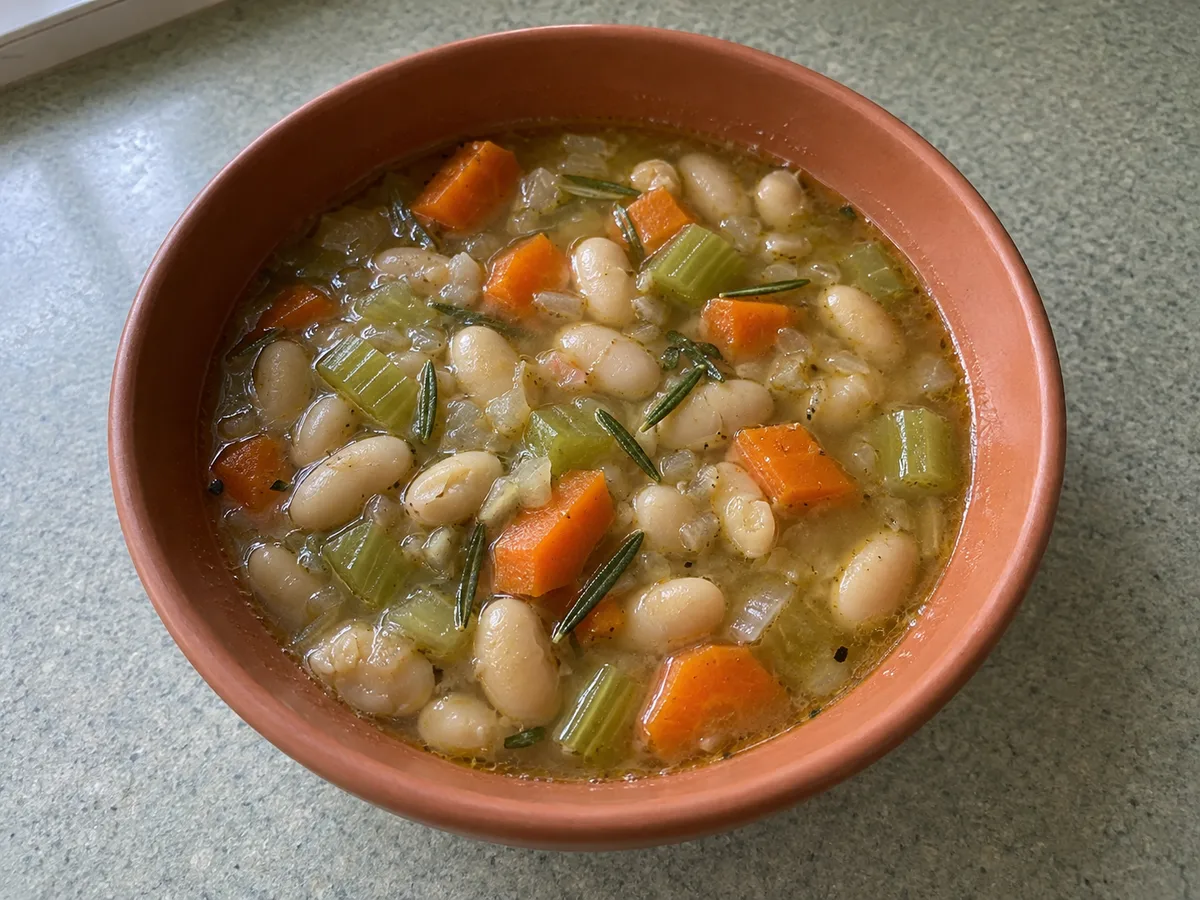
Images on this page are AI-generated soup illustrations, not photographs of recipe testing or measured nutrition servings.
Choose a Soup by Its Main Protein Ingredient
Chicken, beans, lentils, tofu, eggs and seafood are among the foods included in the USDA MyPlate protein foods group. The amount in a finished soup depends on the recipe and how many portions it makes. A splash of broth or a cheese garnish alone does not establish the protein content of a bowl.
| Soup idea | Main protein ingredient | Style and planning note |
|---|---|---|
| Chicken noodle | Chicken | Brothy; coordinate the chicken and noodle cooking instructions. |
| White chicken chili | Chicken and white beans | Creamy or brothy; green chiles and toppings change the heat. |
| Tuscan-style white bean | White beans | Vegetable-and-herb broth; canned and dried beans need different preparation. |
| Black bean | Black beans | Chunky or partly blended, with cumin and a lime finish. |
| Lentil and greens | Lentils | Earthy and thick; choose the lentil variety specified by the recipe. |
| Kimchi and tofu | Tofu, with an optional egg | Tangy; check the kimchi and broth ingredients for vegetarian versions. |
| Peanut noodle and tofu | Tofu and peanuts | Noodle-focused; contains soy and peanuts unless the chosen recipe differs. |
| Split pea and ham | Split peas and ham | Thick, smoky soup; follow a complete recipe for the ham and simmering time. |
Chicken Soup Ideas: Brothy, Creamy or Bean-Filled
Chicken noodle and lemon chicken rice
Chicken noodle soup pairs chicken with noodles, vegetables and broth. Garlic and ginger give it a different direction from a wine-and-garlic broth. For lemon chicken rice soup, an avgolemono-style egg-and-lemon finish is another option. Follow that recipe’s egg-tempering and cooking instructions rather than simply adding eggs to a boiling pot.
Chicken orzo is another small-pasta option, with carrots, spinach, mushrooms or peas. Do not assume that swapping rice for pasta keeps the cooking time or broth quantity unchanged.
White chicken chili and vegetable-rich creamy soups
White chicken chili combines chicken, white beans and green chiles. Lime and sour cream are optional finishes; jalapeño or gochujang makes a separate, spicier variation. Heat varies by product and amount, so none is automatically “mild enough for everyone.”
Broccoli chicken soup and spinach-artichoke chicken soup belong in this chicken group, even though they contain vegetables. Neither is vegetarian. For a Tex-Mex direction, consider cooked chicken with black beans, corn, peppers and onion. Use a complete recipe to decide which ingredients are added raw and which are already cooked.
Bean and Lentil Soups for Plant-Based Variety
White beans, black beans and three-bean chili
For Tuscan-style white bean soup, carrots, celery and rosemary make a simple flavor base, with lemon zest or olive oil as a finish. Black bean soup takes a different direction with cumin, lime and cilantro. Three-bean chili brings together kidney, pinto and black beans with tomato and optional jalapeño.
These are different flavor combinations, not interchangeable instructions. A recipe written for cooked or canned beans cannot be followed unchanged with dry beans. For more choices, browse the bean soup recipe collection; it is a related collection, not a nutrition calculation for this page.
Lentils and greens
Lentil soup offers another route: a tomato-based broth, onion, carrots, celery, garlic and greens, finished with lemon. Partly blending the soup gives a different texture from leaving every lentil intact. Use the type of lentil specified in your chosen recipe, since varieties do not all break down in the same way.
For a complete recipe, Cookie and Kate’s Best Lentil Soup uses brown or green lentils with vegetables, greens and lemon. Its recipe lists 55 minutes total and four large or six modest servings. No verified protein figure from that recipe is reproduced here.
Tofu Soup Ideas: Kimchi Broth or Peanut Noodles
Kimchi-tofu soup combines tofu with kimchi, garlic and ginger. For a vegetarian version, choose vegetarian kimchi and vegetable broth; some kimchi contains seafood ingredients. A fried egg is an optional topping, but adding it means the bowl is not vegan.
Peanut noodle soup with tofu is a separate option, with vegetables, lime and herbs. Check the recipe and product labels for soy, peanuts and any other ingredients you need to avoid. This page does not certify either variation as allergen-free.
The tofu soup collection with three beginner-friendly bowls explores tofu textures and broth choices in more detail. Use the complete instructions there rather than treating this comparison as a new measured recipe.
Beef, Pork and Seafood Soup Directions
Beef pho, pork pozole, beef stew, split pea soup with ham, clam chowder and lasagna soup with ground beef expand the choices beyond chicken and plant-based bowls. They are not all quick weeknight recipes.
For example, pork shoulder and broth made from bones need a different plan from a soup built with already-cooked ingredients. A creamy clam chowder is not automatically “heart-healthy,” and a bowl topped with cheese does not have a known protein total without quantities and a serving count. Choose a complete recipe for the dish, especially when it involves raw meat or seafood.
Two Complete Recipes with Published Protein Estimates
These external recipes provide concrete examples. The numbers belong to the linked recipes and their stated portions; changing ingredients, brands or serving sizes changes the estimate.
| Original recipe and publisher | Stated serving | Published protein estimate | Listed total time |
|---|---|---|---|
| Sick Day Chicken Noodle Soup — EatingWell | 2 cups; recipe makes 4 servings | 37 g per serving | 20 minutes |
| Smoky Black Bean Soup — Budget Bytes | About 1½ cups; recipe makes 4 servings | 18 g per serving | 25 minutes |
Budget Bytes notes that its nutrition is automatically calculated and includes optional ingredients. Neither estimate is a laboratory result for a soup made from this article. Open the original recipe for its full ingredient quantities, method and calculation notes.
Plan Storage Before Cooking a Large Pot
For noodle or rice soups, cooking and storing the starch separately can help you control the texture when serving leftovers. Keep it chilled too, and follow the reheating requirements for the whole meal. For a weekly plan, the flexible seven-day dinner menu can help you decide which night to serve a soup and when to use the leftovers.
USDA food-safety guidance recommends refrigerating perishable leftovers within two hours, or one hour above 90°F. Divide a large batch into shallow containers and refrigerate promptly. Use refrigerated leftovers within three to four days or freeze them. Reheat leftovers to 165°F, checking with a food thermometer; bring soups and sauces to a rolling boil. Adding hot water to a chilled meal-prep container is not a substitute for checking the reheating temperature.
Freezing can change the texture of dairy, noodles or tofu. Follow the chosen recipe’s freezing notes, and keep toppings separate where practical. A soup looking hot or producing steam is not a temperature measurement.
High Protein Soup Questions
Does every soup here contain at least 15 grams of protein?
No. Most entries are soup ideas without a calculated portion. Only the two linked nutrition examples have protein estimates quoted here, and those figures apply to their original recipes and serving sizes.
Which ideas can be vegetarian?
White bean, black bean, lentil and tofu soups can be vegetarian when made with suitable broth and other ingredients. Check kimchi for seafood ingredients. Spinach-artichoke chicken soup is not vegetarian, and an egg topping is not vegan.
Can I swap dry beans for canned beans?
Not without changing the method. Choose a recipe written for the type of beans you have, and follow its preparation and cooking instructions. Dry beans are not ready to use in the same way as cooked canned beans.
Can I use cooked chicken to save preparation?
Choose a recipe that calls for cooked chicken or provides that variation. Do not transfer the timing from a raw-chicken recipe unchanged. Handle stored cooked chicken as a perishable leftover and reheat it safely.
How can I keep leftover noodles from getting too soft?
Cook and store the noodles separately when the recipe allows it, then combine the portions for serving. Chill both components promptly and reheat them safely rather than leaving the noodles at room temperature.
Does a creamy soup automatically contain more protein?
No. Texture does not tell you the protein content. Identify the ingredients and amounts, then use the complete recipe’s nutrition estimate and serving size if you need a numerical comparison.
Can I keep a pot of soup for the entire workweek?
USDA recommends using refrigerated leftovers within three to four days. Freeze portions you will not use in that window. Cool the batch promptly in shallow containers instead of leaving a large pot out.
Are these soups guaranteed to help with weight loss or muscle recovery?
No. This is a cooking comparison, not an individual nutrition or treatment plan. It does not promise a health outcome, and the linked protein estimates do not establish such an outcome.


