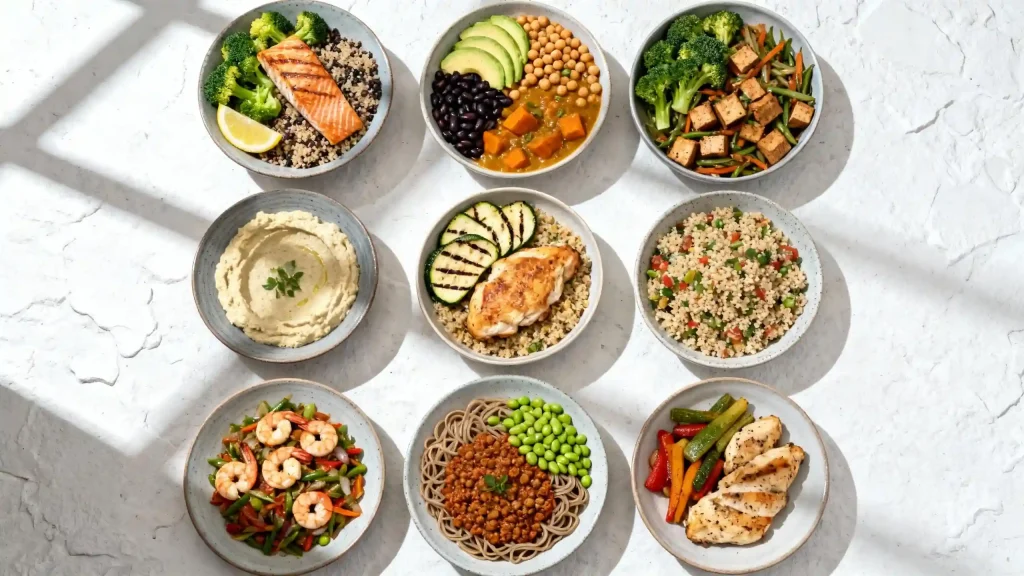
Healthy dinner ideas do not need to be complicated or restrictive. This collection brings together 30 practical meals for busy weeknights, including chicken, seafood, vegetarian, high-protein, one-pan, and make-ahead options.
“Healthy” can look different for every household. Use these ideas as flexible inspiration, adjust portions and ingredients for your needs, and follow advice from a qualified professional if you have a medical condition or prescribed diet.
Start with the quick guide below, then choose recipes based on the time and ingredients you have. For more ideas, see our healthy ground beef dinners, stovetop ground beef chili, and Friday dinner ideas.
| Need | Good starting points |
|---|---|
| Under 30 minutes | Stir-fries, salmon, grain bowls |
| High protein | Chicken, turkey, tofu, beans |
| Vegetarian | Lentil curry, stuffed peppers, chickpea bowls |
| One pan | Sheet-pan chicken and vegetables, salmon and vegetables |
Healthy Dinner Ideas for Quick Weeknight Meals
I keep a short list of go-to dishes for busy nights when I want quick healthy dinners that still feel satisfying. These weeknight meals are built around a simple framework: a protein, veg, and a whole grain or healthy fat. I favor techniques that cut time without skimping on flavor, like stir-frying, sheet-pan roasting, and skillet sautés. That way I can pull together easy nutritious dinners in about 20–30 minutes.
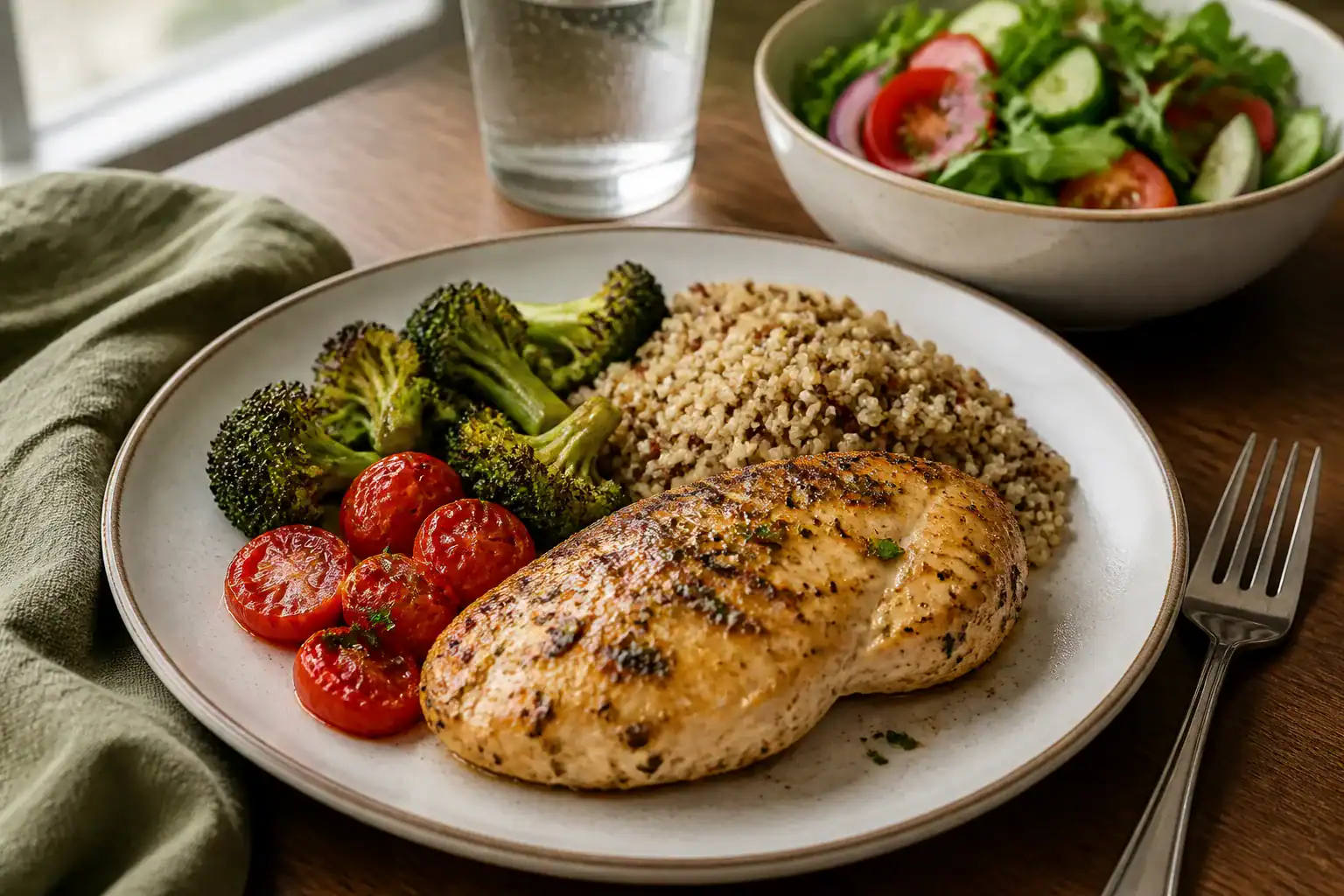
Overview of quick, healthy dinners
For me, reliable weeknight meals are forgiving. They tolerate swaps, scale up for leftovers, and often use one pan. I aim for balanced macros: lean protein, plenty of vegetables, and a fiber-rich side such as quinoa or brown rice. Techniques like broiling fish for 8–10 minutes or tossing chickpeas and greens in a hot skillet make 20-minute dinners realistic on busy evenings.
3-ingredient staples to keep on hand
I stock a short list of pantry and freezer essentials so easy nutritious dinners happen without a trip to the store. My staples: boneless skinless chicken breasts or canned tuna, quick-cooking whole grains like Lundberg brown rice or quinoa, and frozen vegetables such as Birdseye broccoli or mixed peppers. I add extra-virgin olive oil, garlic, lemons, and basic spices—salt, black pepper, and chili flakes—to finish dishes.
Sample recipes and short descriptions
Below are fast recipes I use repeatedly. Each one lists key ingredients, a simple method, and timing so they fit into hectic evenings.
- Lemon-Garlic Salmon with Steamed Broccoli: Salmon fillet, lemon, garlic. Pan-sear or broil 8–10 minutes. Serve with quick-steamed Broccoli florets and a drizzle of olive oil for a bright, protein-forward 20-minute dinner.
- Chickpea and Spinach Stir-Fry: Canned chickpeas, baby spinach, tomato paste. Sauté garlic, add chickpeas and tomato paste, toss in spinach for 8–10 minutes. Serve over quinoa or brown rice for an easy nutritious dinner that reheats well.
- Turkey and Veggie Skillet: Lean ground turkey, frozen mixed vegetables, soy sauce. Brown turkey, stir in frozen veg, season with soy and chili flakes, cook 10–12 minutes. Swap tofu or tempeh to make a vegetarian option.
I often suggest simple substitutions to keep meals flexible. Use tilapia instead of salmon, canned tuna in place of chicken, or swap quinoa and brown rice based on what’s on hand. These small moves turn short recipes into reliable weeknight meals and true 20-minute dinners without losing nutrition.
Comfort Foods Made Healthier for the Whole Family
I keep comfort on the table while trimming calories and boosting nutrients. Small swaps and simple techniques let me serve healthy comfort foods that still feel indulgent. I focus on texture, umami, and familiar flavors so kids and adults accept changes without fuss.
I lighten classics by swapping full-fat dairy for Greek yogurt, using whole-grain pasta or cauliflower rice, and roasting or air-frying instead of deep-frying. Trimming visible fat from meats and bulking dishes with extra vegetables stretching servings and adding fiber and vitamins.
How to lighten classic comfort dishes
I favor Greek yogurt for creaminess in sauces and mashed potatoes. Whole-wheat or legume pasta like Banza keeps chew and protein while cutting refined carbs. Riced cauliflower stands in for white rice to lower calories and raise veg intake.
I bake or air-fry breaded items and use less oil. For richness without fat I turn to low-sodium soy sauce, Worcestershire, or miso paste as umami boosters. These tricks keep flavor high when I make lighter comfort meals.
Family-friendly swaps for lower calories and more nutrients
At home I swap ground turkey or lean beef for higher-fat beef in meatballs and tacos. I use rolled oats in meatloaf instead of breadcrumbs to add whole-grain texture. Reduced-fat cheese is used sparingly, melted over vegetables for satisfaction.
Applesauce or mashed banana replace some sugar and fat in breaded mixes and baked goods. I increase grated carrots and zucchini in meat mixtures for moisture and vitamins without changing taste.
Comfort dinner ideas with brief methods and key ingredients
Baked Mac and Cheese with Cauliflower and Whole-Grain Pasta — Cook whole-wheat elbow pasta and cauliflower florets until tender. Stir reduced-fat cheddar and Greek yogurt into the drained pasta, top with a light sprinkle of panko, bake 20–25 minutes until bubbly. This recipe yields nutritious comfort recipes with classic appeal.
Skinny Chicken Pot Pie in a Sheet-Pan — Toss boneless chicken and mixed vegetables with a light white sauce made from low-fat milk and a spoon of Greek yogurt. Top with whole-wheat biscuit pieces or mashed cauliflower, bake 25–30 minutes until golden. I use family dinner swaps here to cut calories while keeping texture.
Turkey Meatloaf with Oats — Mix lean ground turkey, rolled oats, grated carrots, and zucchini with an egg and a splash of low-sodium Worcestershire. Shape and bake 45–55 minutes. The oats bind and add fiber, making this one of my favorite lighter comfort meals.
I test flavors by adding small amounts of miso or soy for depth. That method keeps recipes satisfying while letting me offer healthy comfort foods that stay true to tradition and please the whole family.
Plant-Based and Vegetarian Dinner Options
I move toward plant-forward meals when I want dinners that feel light, nourishing, and easy on the planet. These options boost fiber, cut saturated fat, and tend to improve gut health while still delivering satisfying flavor. With a bit of planning, plant-based dinners can cover all essential nutrients.
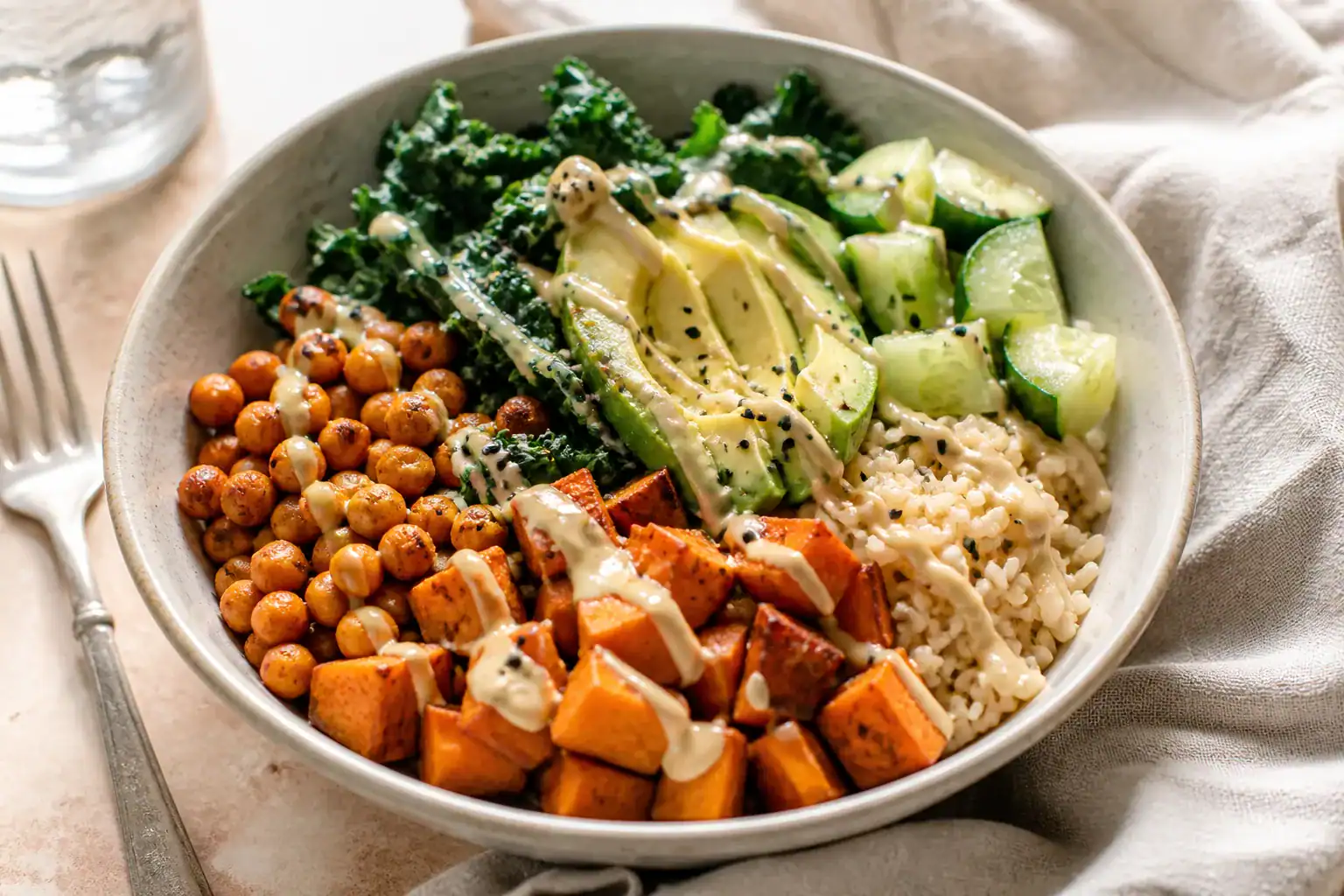
I use these protein-rich vegetarian swaps to keep meals filling and simple to assemble. Tempeh, tofu, lentils, chickpeas, black beans, edamame, seitan, quinoa, and farro are my staples. For quick convenience I sometimes reach for Tofurky, Gardein, or Field Roast products. Greek yogurt works well for lacto-vegetarian dishes.
Small changes make meatless meals more robust. I press and pan-fry firm tofu to add texture. I stir roasted chickpeas into salads for crunch. I mix cooked lentils into sauces for heft and a meaty mouthfeel. These swaps let me craft high-protein vegetarian recipes without long ingredient lists.
Below are sample recipes I turn to on busy nights. Each one is balanced, easy to scale, and built around pantry-friendly ingredients.
Lentil Bolognese over Whole-Wheat Spaghetti: Brown lentils, crushed tomatoes, carrots, and onion simmer 20–30 minutes. Finish with a splash of olive oil and chopped basil for depth.
Tofu Stir-Fry with Broccoli and Brown Rice: Press firm tofu, pan-fry 8–10 minutes until golden, then toss with broccoli and a garlic-ginger sauce. Serve over brown rice for a balanced plate.
Chickpea and Sweet Potato Curry: Combine canned chickpeas, diced sweet potato, light coconut milk, and curry powder; simmer 20–25 minutes. Add spinach at the end for extra iron and color.
I pay attention to micronutrients when I eat mostly plants. I include fortified foods or a B12 supplement for fully vegan weeks. I add healthy fats like avocado or a drizzle of extra-virgin olive oil to aid nutrient absorption.
| Recipe | Main Protein | Time | Quick Tip |
|---|---|---|---|
| Lentil Bolognese | Brown lentils | 20–30 min | Sauté carrots and onion first for sweeter flavor |
| Tofu Stir-Fry | Firm tofu | 15–20 min | Press tofu 15 min to improve texture |
| Chickpea & Sweet Potato Curry | Chickpeas | 20–25 min | Add lime juice at finish to brighten flavors |
| Quinoa & Black Bean Bowl | Quinoa + black beans | 15–20 min | Top with avocado and cilantro for healthy fats |
| Tempeh Tacos | Tempeh | 20 min | Crumble tempeh and season with chili powder for bold taste |
When I need more structure, I riff on these vegetarian dinner ideas to create rotating weekly menus. That keeps meatless meals exciting and ensures I hit protein goals without sacrificing taste.
High-Protein Dinners for Muscle and Satiety
I focus on dinners that support muscle repair, keep you full longer, and help steady evening blood sugar. Eating higher protein at night can aid recovery for active adults and make satiety-focused recipes part of a sustainable habit. I share practical protein-rich meals and portion notes you can use right away.
Why protein matters at dinner
Protein supplies amino acids for muscle repair after workouts. It slows digestion, which helps control hunger into the next morning. I follow common guidance that active adults and those who want to manage weight should aim for a larger protein portion at dinner. That simple shift turns many ordinary meals into muscle-building dinner ideas without extra fuss.
Lean meat, seafood, and plant-protein combos
I recommend easy-to-find options like skinless chicken breast, turkey, and lean sirloin for meat-based meals. Salmon, cod, and shrimp appear at U.S. supermarkets and farmers markets, making seafood a reliable choice. For vegetarian protein I use eggs, cottage cheese, Greek yogurt, lentils, tempeh, and edamame. Pairing one of these with whole grains or starchy vegetables balances the plate.
High-protein dinner ideas with key ingredients and methods
Below are three dependable recipes with key steps and timing. I give portion guidance so you can build protein-rich meals tailored to your goals.
- Grilled Chicken with Quinoa Salad — Ingredients: chicken breast, quinoa, cucumber, cherry tomatoes, feta (optional). Method: grill chicken 6–8 minutes per side until internal temp reaches 165°F. Toss cooked quinoa with veggies, olive oil, lemon, and chopped herbs. Serve 4–6 oz chicken per adult serving for a filling, protein-rich meal.
- Baked Salmon with Lentil Salad — Ingredients: salmon fillet, green lentils, arugula. Method: roast salmon 12–15 minutes at 400°F depending on thickness. Cook lentils until tender, cool, then mix with arugula and a light vinaigrette. Aim for a 4–6 oz salmon portion for muscle-building dinner ideas.
- Shrimp and Edamame Stir-Fry — Ingredients: shrimp, shelled edamame, snap peas, garlic, soy-ginger sauce. Method: stir-fry shrimp and vegetables 5–7 minutes on high heat until shrimp are opaque. Serve over brown rice or cauliflower rice for a satiety-focused recipe that comes together fast.
| Recipe | Main Protein | Cook Time | Suggested Protein Portion | Fiber Partner |
|---|---|---|---|---|
| Grilled Chicken with Quinoa Salad | Chicken breast | 20–30 min | 4–6 oz | Quinoa, cucumber, cherry tomatoes |
| Baked Salmon with Lentil Salad | Salmon fillet | 20–25 min | 4–6 oz | Green lentils, arugula |
| Shrimp and Edamame Stir-Fry | Shrimp & edamame | 10–12 min | 4–6 oz combined | Snap peas, edamame |
For balance I recommend pairing the protein with fiber-rich vegetables and a modest whole grain. I use 4–6 oz of protein per adult as a practical guideline. These high-protein dinners and protein-rich meals help you feel satisfied and support recovery while staying quick enough for weeknight cooking.
One-Pot and Sheet-Pan Recipes for Easy Cleanup
I love meals that cut kitchen time and leave the sink nearly empty. One-pot dinners and sheet-pan meals do that for me. They pack flavor, save energy, and fit busy weeknights when I need simple weeknight recipes that actually work.
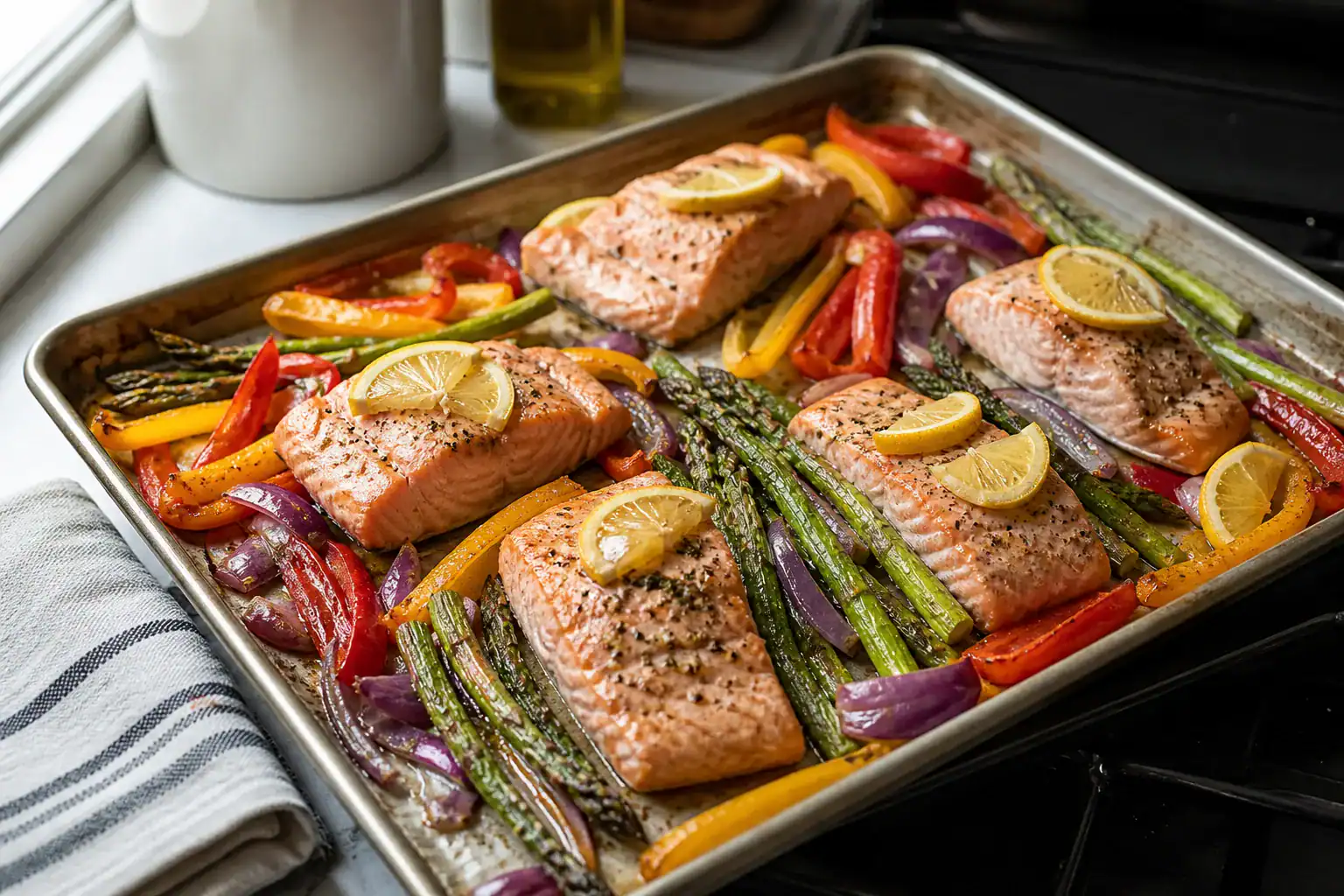
I keep my explanations short and practical. Below I list the main benefits, a flexible sheet-pan formula I use often, and three quick recipes with clear steps. These ideas aim to create easy cleanup dinners without sacrificing taste.
Advantages I Count On
Minimal dishes means less mental load after dinner. One-pot dinners concentrate flavors as sauces and starches meld. Less active cooking time lets me check homework or fold a load of laundry while food finishes. Energy savings come from using a single burner or oven element instead of multiple pots.
Time-Saving Sheet-Pan Meal Formulas
My reliable formula is: protein + hardy veg + fat + seasoning + bright finish. For protein I use chicken thighs, salmon, or sausage. For veg I choose potatoes, carrots, Brussels sprouts, or cauliflower. Toss everything with olive oil, salt, pepper, and a herb like rosemary or thyme. Roast at 400–425°F for 20–35 minutes depending on size. Finish with lemon juice or a splash of vinegar for brightness.
One-Pot Dinner Ideas with Short Cooking Steps
Sheet-Pan Chicken and Vegetables — Toss chicken thighs, baby potatoes, and carrots with olive oil and rosemary. Spread on a parchment-lined sheet pan. Roast 35–40 minutes until juices run clear and potatoes are tender.
One-Pot Tomato Basil Pasta — Add whole-wheat spaghetti, crushed tomatoes, sliced onion, garlic, fresh basil, and vegetable broth to a large pot. Bring to a simmer and stir occasionally until pasta is tender, about 12–15 minutes. Finish with grated Parmesan or a drizzle of olive oil.
Skillet Chickpea Shakshuka — Sauté onion and garlic, add canned tomatoes and chickpeas, season with cumin and smoked paprika. Simmer 10–12 minutes. Make wells and crack eggs into the sauce; cover and cook until eggs set. Serve with crusty bread or brown rice for a simple weeknight recipe.
My cleanup hacks are basic: line sheet pans with parchment or silicone, use nonstick skillets for braises, soak pans immediately, and keep a small bowl for scraps to cut rinsing time. These steps make sheet-pan meals and one-pot dinners true easy cleanup dinners.
| Recipe | Main Ingredients | Oven/Stove Time | Cleanup Tip |
|---|---|---|---|
| Sheet-Pan Chicken & Vegetables | Chicken thighs, baby potatoes, carrots, olive oil, rosemary | 35–40 minutes at 425°F | Use parchment; let rest before scraping |
| One-Pot Tomato Basil Pasta | Whole-wheat spaghetti, crushed tomatoes, onion, garlic, broth | 12–15 minutes simmer | Stir with a wooden spoon; soak pot while eating |
| Skillet Chickpea Shakshuka | Canned tomatoes, chickpeas, eggs, cumin, paprika | 10–12 minutes simmer; 5–7 minutes to set eggs | Nonstick skillet cleans easily; warm water soak |
International Flavors to Expand Your Dinner Rotation
I love bringing world flavors to weeknight cooking. A few simple swaps—lean proteins, extra vegetables, and grilling instead of frying—turn classic dishes into international healthy dinners that feel exciting and balanced.
Healthy takes on Mexican, Mediterranean, and Asian dishes
For Mediterranean diet meals I favor olive oil, grilled fish, whole grains, and big salads. These choices support heart health and keep meals light without losing flavor.
When I adapt Mexican healthy recipes I lean on beans, peppers, and bright salsas. I skip heavy creams and use avocado or plain Greek yogurt for creaminess.
My Asian healthy dinners highlight vegetables, rice or rice noodles, and seafood or tofu. I season with low-sodium soy sauce, rice vinegar, and sesame oil for depth.
Spice blends and pantry essentials to create global meals
I keep a small shelf stocked with McCormick cumin, chili powder, smoked paprika, dried oregano, za’atar, turmeric, and garam masala. For Asian notes I use Kikkoman soy sauce, Bragg liquid aminos, rice vinegar, and toasted sesame oil.
Canned tomatoes, light coconut milk, low-sodium broth, and canned beans are my go-to shortcuts. These basics let me pull together Mexican, Mediterranean, or Asian healthy dinners in 30 minutes.
International recipe ideas with ingredient highlights
Mediterranean Bowl with Hummus and Grilled Vegetables: quinoa base, hummus, grilled zucchini and eggplant, cucumber, tomato, olives, and lemon-tahini dressing. Swap feta for a dairy-free option when needed.
Chicken Fajita Lettuce Wraps: sliced chicken breast, bell peppers, onions, and a fajita spice blend. Serve in romaine or butter lettuce for a low-carb, Mexican healthy recipe that keeps the heat and cuts the calories.
Vietnamese-style Rice Noodle Salad with Shrimp: rice noodles tossed with cooked shrimp, mint, cilantro, shredded carrot, and a lime–fish sauce dressing. Use gluten-free noodles and coconut yogurt as a creamy swap if you avoid dairy.
Balance acid, salt, and heat in every dish. Small amounts of lime or lemon lift a meal. A touch of soy or fish sauce adds umami without excess salt. These tips help me make varied, satisfying international healthy dinners that stay practical for weeknights.
Kid-Approved Meals That Are Nutrient-Dense
I know how hard weeknights can be when you want healthy meals for kids that they will actually eat. I focus on playful presentation, simple textures, and familiar flavors to keep dinners appealing. These kid-approved dinners mix nutrition with the fun that gets kids to try new bites.
I use picky eater strategies like serving components deconstructed, offering dips, and letting children help assemble plates. Letting them choose a topping or press a cookie-cutter shape gives ownership and makes family-friendly dinner ideas feel special.
Hidden-veg strategies work best when the texture and flavor stay mild. Puree roasted tomatoes and carrots into pasta sauces. Grate zucchini and carrots into meatballs and turkey burgers. Blend spinach into quesadilla fillings or smoothies. Finely grate cauliflower into mac-and-cheese for a creamy boost without a strong veggie taste.
Below are quick kid-friendly healthy dinners that I turn to when time is tight. Each one keeps prep simple and flavors familiar so picky eaters are more likely to dig in.
- Mini Turkey Meatballs with Hidden Veg and Brown Rice — lean turkey, grated zucchini and carrot, whole-grain breadcrumbs; bake 15–20 minutes. Serve with mild tomato sauce on the side.
- Baked Fish Sticks with Sweet Potato Fries — firm white fish like cod or pollock, panko crumbs, oven-baked sweet potato wedges; bake 15–20 minutes for a crisp, lower-fat option.
- Cheesy Bean Quesadillas with Avocado — whole-wheat tortillas, black beans, mild cheddar, mashed avocado; cook in a skillet 2–3 minutes per side and slice into wedges for easy hands-on eating.
I suggest serving-size guidance by age: toddlers need smaller portions and more frequent snacks, school-age kids usually eat a larger plate with a balance of protein, starch, and veg, teens often match adult portions. I aim to reduce added salt and sugar by using herbs, citrus, and mild cheeses for flavor.
When I plan kid-approved dinners, I keep a few pantry staples on hand: whole-wheat tortillas, canned beans, frozen fish sticks made from real cod, low-sodium tomato sauce, and whole-grain breadcrumbs. These items help me pull together healthy meals for kids fast while keeping variety in our family-friendly dinner ideas.
Meal Prep and Freezer-Friendly Ideas to Save Time
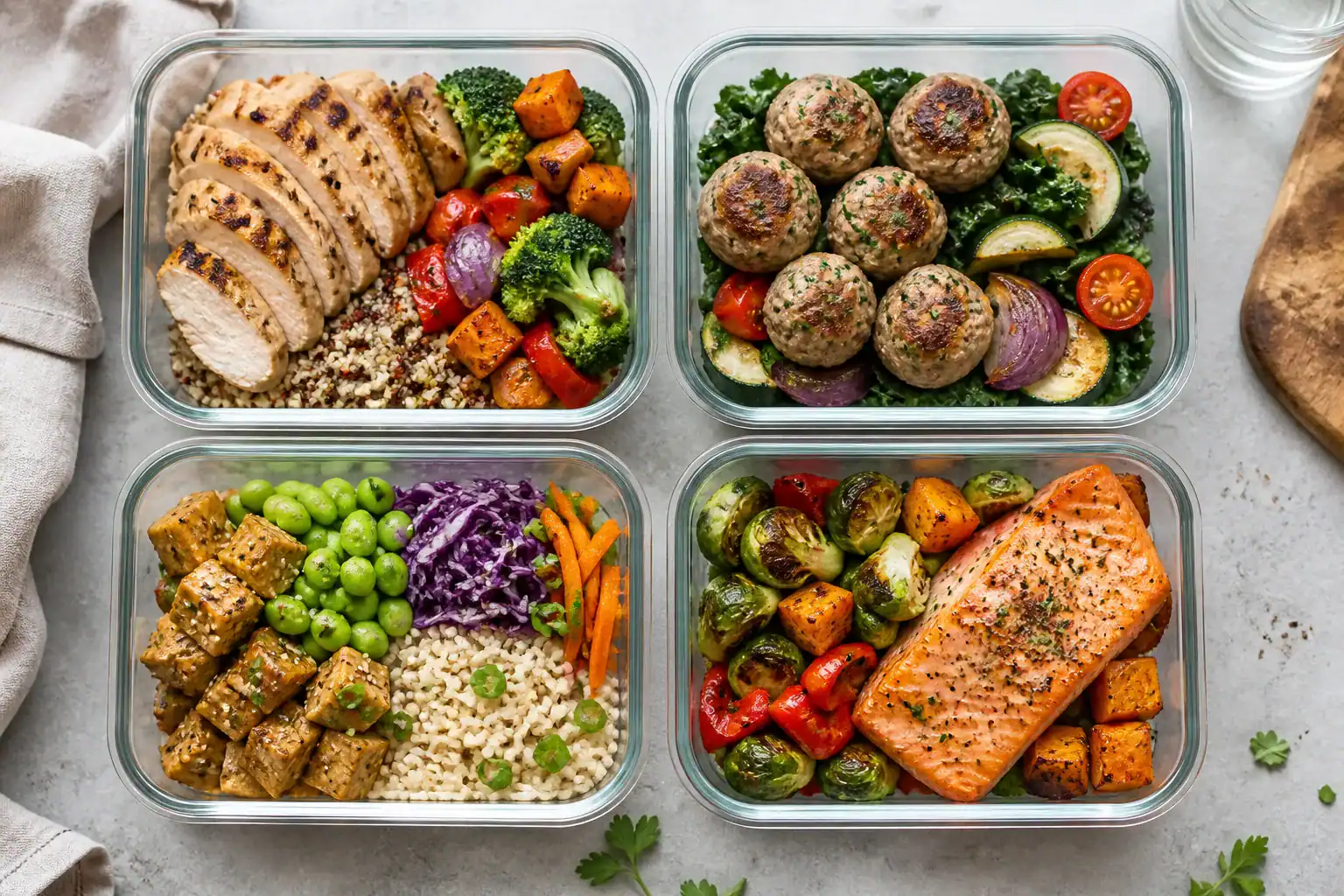
I like to keep dinner stress low by planning simple systems that work all week. Pick two proteins, two grains, and several vegetables, then cook them in large batches. This lets me mix and match plates without rebuilding meals every night. These meal prep dinners cut decision time and keep tastes varied with just a few core ingredients.
Batch-cooking strategies for weeknight ease
I recommend cooking on Sunday or splitting prep over the weekend. Use one pan for proteins and another for grains. Season everything lightly so components pair with multiple sauces. Label containers with dates and contents. Buy glass or BPA-free plastic meal prep containers for durability and easy reheating.
Batch cooking tips I follow: roast a tray of vegetables, poach or bake two proteins, and make a big pot of rice or quinoa. Store dressings separately to keep textures fresh. This approach makes meal prep for weeknights surprisingly simple.
How to store and reheat meals safely
Cool foods within two hours and use shallow containers so they chill faster. Keep the refrigerator at or below 40°F. Most cooked dishes stay good in the fridge for 3–4 days. Freeze items you won’t eat in that window; cooked meals usually last 2–3 months frozen.
Defrost overnight in the fridge or use the microwave defrost setting. Reheat to at least 165°F to ensure safety. Vacuum sealing or heavy-duty freezer bags reduce freezer burn and extend quality. I find that portioning before freezing speeds up reheating when I need a quick dinner.
Top freezer-friendly dinner ideas with short tips
- Freezer meatball packs: Bake meatballs, freeze on a sheet tray, then bag. Reheat gently in sauce for 20–25 minutes for moist results.
- Burrito bowl components: Freeze brown rice, black beans, and roasted peppers in separate bags. Thaw and assemble bowls for instant meal prep dinners that feel fresh.
- Casserole portions: Make lasagna or shepherd’s pie in single-serve dishes. Thaw overnight and bake 30–40 minutes until heated through.
Follow simple timelines and safe reheating rules to keep meals great all week. With these batch cooking tips and a few good containers, meal prep for weeknights becomes fast, flexible, and reliable.
Grocery Lists, Pantry Staples, and Smart Shopping Tips
I keep a simple system that makes weeknight cooking less stressful and keeps costs down. Start with a core set of pantry staples I always have on hand. These items let me pull together quick meals without an extra trip to the store.
My go-to pantry essentials
I stock extra-virgin olive oil, canned beans like garbanzo and black, canned tuna, and canned tomatoes. Low-sodium Swanson chicken or vegetable broth sits next to whole grains such as brown rice, quinoa, and farro. I keep whole-wheat pasta, nut butters, dried lentils, and basic spices—garlic powder, cumin, chili powder, smoked paprika—within reach. Condiments I use daily include Dijon mustard, soy sauce, and hot sauce. These staples form the backbone of healthy dinners that adapt to whatever produce I have.
Shopping list templates for a week
I use three concise grocery list healthy dinners templates that cover most plans. Template A focuses on quick weeknights with chicken breasts, frozen veg, brown rice, lemons, and garlic. Template B favors plant-forward meals with canned beans, lentils, tofu, quinoa, and fresh spinach. Template C rotates family comfort staples like lean ground turkey, whole-wheat pasta, canned tomatoes, frozen mixed vegetables, and low-fat cheese. Each template groups items by produce, proteins, pantry, and dairy for fast shopping trips.
| Template | Produce | Proteins | Pantry & Grains | Dairy / Extras |
|---|---|---|---|---|
| Quick Weeknight (A) | Lemons, garlic, mixed salad greens | Chicken breasts | Brown rice, frozen vegetables | Greek yogurt, olive oil |
| Plant-Forward (B) | Spinach, tomatoes, onions | Tofu, canned beans | Quinoa, dried lentils | Feta or plant-based cheese |
| Family Comfort (C) | Carrots, bell peppers, frozen mixed veg | Lean ground turkey | Whole-wheat pasta, canned tomatoes | Low-fat cheese, milk |
Budget-friendly swaps and seasonal tips
Buying frozen vegetables and fruit lowers cost and cuts food waste. I pick store brands for basics like broth and canned tomatoes. Bulk grains from Costco or Sam’s Club stretch the budget further. I swap chia or flax for pricier seeds when needed. Choosing seasonal produce—summer tomatoes, winter squash—gives better flavor and value. When proteins go on sale, I plan meals around those deals to keep my grocery list healthy dinners affordable.
Quick checklist for smart shopping
Plan meals for the week, write one clear list, and stick to it. Shop the perimeter for fresh items and compare unit prices on staples. Use coupons and sales to stock up smartly. I avoid impulse buys by staying focused on my list. These smart shopping tips keep my kitchen ready for budget-friendly meals that don’t sacrifice nutrition.
Conclusion
After exploring 30+ healthy dinner ideas, the takeaway is simple: eating well can be easy, varied, and family-friendly. I showed options for quick weeknights, lighter comfort dishes, plant-based meals, high-protein plates, one-pan recipes, global flavors, kid-approved choices, and batch-cook or freezer-friendly solutions so you can save time and reduce stress.
My practical tips are to keep a stocked pantry, prioritize protein plus vegetables at dinner, and use batch-cooking strategies to free up weeknights. You can swap ingredients to fit budget, allergies, or taste without losing nutrition. These small shifts help you build healthy dinner habits that stick.
I invite you to pick one new recipe this week and try new dinner recipes in a Sunday batch-cook session. Share your favorite healthy dinner ideas with me in the comments or on social media—I love hearing what works for real families. Experiment with global flavors, include kids in simple prep tasks, and use freezer-friendly strategies to make weeknights smoother.
Keep it simple, stay curious, and remember that consistent small changes matter. With a few smart staples and a willingness to try new dishes, you’ll create lasting routines and a better dinner table for everyone.


