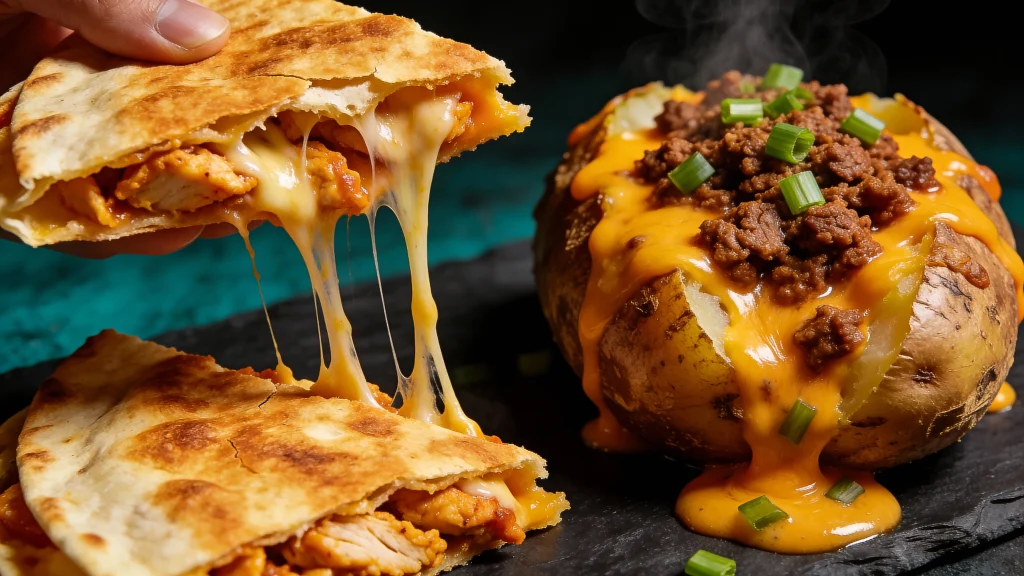
I brought frozen flattened beef, diced rotisserie chicken, and tortillas into my tiny dorm kitchen one semester and it changed how I ate between classes. I learned to defrost meat in 20-second microwave bursts or reheat with a splash of water in a skillet, then season to taste. Small prep and smart portions kept food fresh and costs low.
Most of my go-to meals are single-serving and heat-and-eat. Tortillas become burritos or quesadillas, eggs turn into quick omelets, and a microwave potato turns into a loaded meal in minutes. I rely on a skillet, a small pot, and a baking sheet to make easy recipes that feel homemade without wasting ingredients.
This guide shares practical recipes and swaps I actually use, plus one-pan and 30-minute wins, freezer-first tips, and simple ways to stretch a few staples into varied meals. Expect concrete steps, storage notes, and student-tested flavor boosts so you can eat well on a tight schedule.
Key Takeaways
- Stock freezer-ready proteins and portion for single servings to cut waste.
- Use tortillas, eggs, pasta, and baked potatoes for fast, budget-friendly meals.
- Most recipes take 30 minutes or less or use quick microwave methods.
- One-pan and skillet meals save time and reduce cleanup in small kitchens.
- Track a week of eating to buy only what you need and keep costs steady.
Budget-smart basics I rely on for fast, filling dinners
I learned to stock a tiny freezer with a few smart staples that stretch into cheap, filling meals all week. This saves me time and keeps my mini-fridge from overflowing.
I keep frozen diced onions and peppers, mixed veggies, tortillas, and diced rotisserie chicken in zip bags. I also brown ground beef, drain and flatten it into portions so I can break off exactly what I need.
My under-$3 staples that turn into full meals
- Tortillas, eggs, canned beans, ramen, butter, pasta, cheddar, frozen veggies — each stretches into a cheap meal quickly.
- I pick one or two carbs (pasta or tortillas) and one or two proteins (chicken or beans) per week to cut cost and clutter.
- I freeze cooked chicken and flattened beef in single-serving bags so I can defrost just what I need in short time.
Time-saving habits: cook once, eat twice with leftovers
I batch-cook small amounts: a skillet of ground beef becomes tacos on day one and burritos on day three. I portion cheese and protein so each plate stays satisfying and cheap.
| Staple | Approx cost/serving | Quick meal examples |
|---|---|---|
| Tortillas | $0.30 | Quesadilla, wrap, nachos |
| Frozen mixed veggies | $0.40 | Stir-fry, pasta add-in, fried rice |
| Cooked ground beef | $0.90 | Tacos, skillet mac, burrito bowl |
| Canned beans | $0.50 | Bean bowls, chili, soups |
I use the microwave defrost for 20 seconds at a time for cooked meats or warm portions in a small skillet with a splash of water. Frozen chicken tenders cook fast from frozen in a skillet — flip once and season with salt and pepper until no longer pink.
Rotating produce keeps nothing wasted: cucumber slices go into salads, wraps, and pasta; avocado lands on toast, quesadillas, and sandwiches until it’s gone. These habits make simple recipes feel varied while cutting waste and staying on budget for the college student on the run.
College dinner ideas
I keep a short list of go-to meals—tortilla builds, egg plates, and pasta upgrades—that cook in minutes. Each option uses a few common ingredients so I can mix and match without overbuying.
Meals in a tortilla: burritos, quesadillas, wraps, and nachos
Refried beans + cheddar + salsa make a microwave burrito in under two minutes. Leftover ground beef or cooked chicken turns that burrito into a heartier meal.
- Chicken and cheese quesadilla: swipe ranch, add taco seasoning, crisp in a skillet.
- Pizza quesadilla: spaghetti sauce + mozzarella for saucy comfort.
- Nachos: layer beans, corn, meat, avocado, and cheese—short microwave bursts melt it fast.
Quick eggs for dinner: omelets, burrito-style, and “egg-in-a-hole”
I use one or two eggs for a filling plate. A Western omelet with diced veg and meat is fast. Egg-in-a-hole or breakfast nachos makes eggs feel like a proper dinner.
Easy pasta for one: mac, ravioli, ramen upgrades, and buttered noodles
Boil a small handful of dry pasta, add jarred sauce and a splash of pasta water. Cheese ravioli or frozen meatballs turn a solo pasta into a full meal. For instant ramen, toss in frozen veg and an egg or shredded chicken for a quick upgrade.
| Dish | Main Ingredient | Time |
|---|---|---|
| Bean burrito | Refried beans | 3 minutes |
| Chicken quesadilla | Chicken | 5 minutes |
| Ramen upgrade | Pasta/noodles | 6 minutes |
Dorm and tiny-kitchen strategies that actually work
My tiny kitchen runs on a few multi-use tools. They let me turn pantry staples into full meals in minutes and cut cleanup down to almost nothing.
I build a microwave-first routine: steam-in-bag veggies in two to three minutes, or use a microwave potato bag for a fluffy baked potato to load with beans, cheese, or chili.
Small-appliance hacks I use
- Skillet: steam potstickers with a splash of water and nonstick spray, crisp quesadillas, or warm pre-cooked meats safely.
- Waffle maker/toaster oven: quick “pizza pockets” in a waffle maker and small bakes on a toaster oven using silicone mats or foil for easy cleanup.
- Microwave cups and heat-and-eat protein muffins are reliable when I need fast fuel.
| Use | What | Why |
|---|---|---|
| Microwave | Potato bag, steam veg | Fast and low-effort |
| Skillet | Potstickers, quesadillas | Versatile crisping |
| Waffle maker | Pizza pockets | Fun, small bake |
I keep a short list in the fridge and pantry: tortillas, canned beans, jarred sauce, shredded cheese, and frozen mixed veg. I portion proteins, label leftovers, and reheat in short bursts so food stays moist and safe.
One power tip: cook proteins once, then reheat with a splash of water in the microwave or skillet. When the kitchen is crowded, prewashed salad mix plus a protein is a zero-cook option that makes life easier.
Freezer-first cooking: how I keep protein, veg, and bread ready
My freezer is organized like a tiny grocery aisle so I can pull a full meal in minutes. This system saves time and cuts food waste for a busy college student. I set up single-serving packs for fast reheats and quick assembly.
Ground beef, chicken tenders, and rotisserie chicken—frozen right
I brown ground beef in bulk, cool it, then press flat in a gallon bag so I can snap off portions. I dice rotisserie chicken and freeze it in labeled pouches for ready protein.
Chicken tenders cook from frozen in a covered skillet with a few tablespoons of water. Flip once, season with salt and pepper, and slice for wraps or bowls.
Frozen onions/peppers, veggies, and tortillas to reduce waste
- I keep frozen onions, peppers, and mixed veg for zero-chop nights; toss them straight into a skillet or pasta.
- I freeze extra tortillas and pepperoni so nothing goes bad and recipes stay flexible.
- I defrost cooked meats in 20-second microwave bursts or reheat gently with a splash of water, then add taco seasoning or sauce.
| Prep | Why | Use |
|---|---|---|
| Flattened ground beef | Break into portions | Tacos, skillet recipe |
| Diced rotisserie chicken | Ready protein | Salads, wraps |
| Frozen tortillas | Prevent waste | Quesadilla, quick recipe |
Make protein the anchor and bulk meals with beans, rice, or pasta. Track what I freeze and use it within days to weeks so flavors stay great and leftovers feel fresh.
Thirty-minute or less skillet dinners with big flavor
A hot skillet turns a few staples into a satisfying plate in under half an hour. These one-pan recipes shine when I use precooked proteins and frozen veg to cut prep time.
Ground beef taco skillet starts by sautéing frozen onions and peppers until soft. I add cooked ground beef, canned beans, and taco seasoning, then finish with shredded cheese and a scatter of tortilla chips for crunch.
For tostadas I crisp tortillas in a dry pan, pile on a black bean and beef mix, sprinkle cheese, and briefly cover to melt. The result is crunchy, fast, and full of flavor.
Skillet mac and cheese is a one-pan gem: whisk pasta, milk, and a splash of water into the pan, simmer until tender, then stir in cheese for a creamy finish. I toss in rotisserie chicken or leftover tenders when I want extra protein without extra work.
- Timing: most recipes reach the table in about 30 minutes or less with precooked proteins.
- Flavor boosts: salsa, chili powder, and a squeeze of lime lift each recipe quickly.
- Cleanup: use nonstick or cast iron and deglaze with a splash of water to loosen browned bits.
- Portions: a 6–8 inch skillet scales well for one to two servings so I avoid waste.
| Recipe | Main mix-ins | Time | Servings |
|---|---|---|---|
| Ground beef taco skillet | Cooked ground beef, frozen onions/peppers, beans, cheese | 20–25 minutes | 1–2 |
| Black bean tostadas | Black beans, seasoned beef, tortillas, cheese | 15–20 minutes | 1–2 |
| Skillet mac and cheese | Pasta, milk, cheese, optional rotisserie chicken | 20–30 minutes | 1–2 |
One-pot and sheet-pan meals that save dishes
One pan or a single sheet tray often turns my pantry staples into a warm meal with barely any cleanup. These methods cut time and plates, which fits my tiny kitchen rhythm.
One-pot chicken pasta and quick sauce swaps
I simmer short pasta with just enough water, a splash of milk, and a jarred sauce until the pasta absorbs the liquid. I stir in chopped precooked chicken and a handful of Parmesan at the end.
For tortellini carbonara vibes I cook tortellini, toss with cream or milk, remove from heat, whisk in a beaten egg, add crisp bacon bits, and finish with Parmesan for a silky finish.
Sheet-pan baking and baked gnocchi
I toss gnocchi, cherry tomatoes, peppers, olive oil, and chopped chicken on a small sheet and bake until golden. A few mozzarella cubes melt on top and the pan needs only a quick wipe if I line it.
- Portion a small sheet pan for faster roasting and less waste.
- Use jarred marinara, pesto, or cream to change the personality of the same base pasta.
- Add frozen or fresh veg right into the pot or pan for a full meal in minutes.
| Method | Main perk | Cleanup |
|---|---|---|
| One-pot pasta | Fast, saucy | One pot |
| Tortellini carbonara-style | Rich, few ingredients | One pot |
| Sheet-pan gnocchi | Roasted texture | One pan |
Microwave-friendly dinners for no-oven dorm nights
On no-oven nights I build satisfying plates from potatoes, steam-in-bag veg, and quick proteins. The microwave does the heavy lifting, and a few smart add-ins turn simple ingredients into a full recipe in minutes.
Baked potatoes: chili, broccoli-cheddar, and BBQ chicken
I microwave russets in a potato bag until tender, then split and load with canned chili and shredded cheese for a filling meal. For a smoky twist I warm diced cooked chicken with BBQ sauce, pile it on the hot potato, and finish with green onions.
For comfort food I steam broccoli in the microwave and stir in cheddar to make a broccoli-cheddar topping. I use a small handful of cheese so it melts quickly and still tastes rich.
Steam-in-bag veggies with protein add-ins
Steam-in-bag veggie packets heat in a few minutes and become the base for a quick bowl. I toss in rotisserie chicken, canned beans, or leftover ground beef to add protein and fiber.
- I keep timing short and check every couple of minutes to avoid drying out food.
- A cup of frozen veg plus a portioned protein makes a balanced, fast recipe.
- Vary the sauce—BBQ, salsa, or ranch—to change flavor without extra time.
| Topping | Main add-ins | Ready in |
|---|---|---|
| Chili & Cheese | Canned chili, shredded cheddar | 5–7 minutes |
| BBQ Chicken | Diced cooked chicken, BBQ sauce | 4–6 minutes |
| Broccoli-Cheddar | Steam broccoli, cheddar sauce | 3–5 minutes |
Salad-meal wins: hearty bowls that feel like dinner
1. Five variations of the first sentence (choose one and explain):
a) “A big salad can feel like a full meal when I pile it with warm, seasoned proteins and crunchy toppings.”
b) “I turn simple greens into a filling bowl by adding hot proteins, beans, and a handful of cheese.”
c) “Salads stop being side dishes when I treat them like a one-bowl meal with warm chicken or beans and bold dressing.”
d) “A hearty bowl built from prewashed lettuce, leftover meat, and quick pasta often outperforms takeout for price and speed.”
e) “I make salads into reliable meals by mixing warm proteins, crisp veg, and a dressing that pulls everything together.”
Choice and why: I choose sentence (a). It is direct, fresh, and avoids repeating prior opening lines from earlier sections. It highlights the transformation of a salad into a full meal and sets the friendly, first-person tone requested.
2. Use the current_section details: I will include an introductory passage before H3 headings. I will cover BBQ chicken salad, taco salad, pasta salad, and the bullet-style points reworked into short paragraphs and a small list. Will ensure required keyword counts and limits for “college”, “dinner”, “ideas”.
3. Brand voice: Friendly, first person. I’ll keep casual helpful tone.
4. Formatting: Use H2, short paragraphs
, H3 headings (not repeating H2 wording), an unordered list
- , a small table with 3-4 rows/columns containing meaningful data, and the centered tag with alt containing keyword “salad”.
5. Final HTML content: Will produce within tag.
6. Keyword placement matrix: Will calculate for ~170 words. Max repeats per keyword = (170/100)*2 = 3.4 -> max 3 repeats. Need salad 3, protein 2, lunch1, chicken2, cheese1, recipe3, recipes1, ingredients1, meal1, minutes1, college1. I’ll place accordingly, not exceeding max. Also restrict “college”,”dinner”,”ideas” not more than twice. Use “college” once, “dinner” once, “ideas” zero.
7. Short paragraphs: Keep paragraphs 1-3 sentences each to meet readability targets.
8. Flesch score: Writing simple sentences, short words to aim for 60-70.
Sandwich and melt ideas when I’m short on time
When I’m short on time, a quick melt from the skillet turns humble bread and cheese into a real meal fast.
I rely on a few fast sandwich recipes that use frozen or leftover chicken and whatever cheese I have on hand. A pizza sandwich with sauce and mozzarella grills in minutes for an instant comfort food fix.
A pesto chicken or turkey melt gets toasted bread, a swipe of pesto and mayo, tomato, and optional bacon. It tastes elevated with almost no fuss.
- Stir egg salad or chicken salad for a creamy filling you spoon onto bread or crackers.
- Make DIY “lunchables” with sliced turkey, cheese, and crackers when bread is low.
- Keep a loaf in the fridge or freezer so sandwich nights are always possible.
| Quick build | Main ingredients | Ready in |
|---|---|---|
| Pizza sandwich | Bread, sauce, mozzarella | 5–7 minutes |
| Pesto chicken melt | Toasted bread, chicken, pesto, cheese | 6–8 minutes |
| Egg or chicken salad | Eggs/chicken, mayo, pickles | 3–5 minutes |
I portion cheese sensibly and add a splash of acid like pickles or mustard to balance flavors. I prep half a sandwich now and pack the rest for lunch the next day—handy for a busy college student.
Breakfast for dinner: fast protein-packed favorites
I treat breakfast dishes as reliable, low-stress meals when I need something fast. These builds are great for nights with classes or study sessions and deliver solid protein without fuss.
Avocado toast with egg
I fry or poach an egg and set it atop mashed avocado on toasted bread for a quick protein boost. A few tomato slices or a spoonful of salsa add brightness.
Single-serve French toast
I whisk one egg with a splash of milk, cinnamon, and vanilla, soak two slices, and cook each side until golden. It’s a sweet, filling recipe ready in minutes.
Breakfast nachos
I layer tortilla chips with scrambled eggs, beans, diced avocado, salsa, and a small handful of cheese. If I have bacon, I crisp and crumble it on top for smoky crunch.
- I rely on eggs as affordable, lasting protein in my mini-fridge.
- I keep bread in the freezer so slices toast fresh whenever I need them.
- Add fruit or yogurt for a fuller plate when I want more balance.
| Build | Main parts | Ready in |
|---|---|---|
| Avocado toast | Egg, avocado, bread | 6–8 minutes |
| French toast for one | Egg, milk, bread, cinnamon | 5–7 minutes |
| Breakfast nachos | Eggs, beans, avocado, cheese | 7–10 minutes |
Budget-friendly proteins and smart swaps
I plan a simple protein rotation each week so meals stay varied and cheap. Small portions, fast cooks, and freezer packs let me eat well without extra trips to the store.
I rotate chicken twice a week, a batch of ground beef, a beans night, multiple egg meals, and a tilapia night when I want fish. This keeps costs down and flavors fresh.
Affordable proteins I use on repeat
- Chicken: rotisserie, tenders, or thighs—easy to reheat and freeze in portions.
- Ground beef: I brown a small skillet, chill it flat, and split into single-serve bags.
- Canned beans and lentils: my go-to plant-based protein for tacos, bowls, and chili.
- Eggs: flexible for sandwiches, bowls, stir-fries, and quick noodle recipes.
- Tilapia or mild white fish: cooks in minutes and soaks up sauces well.
Smart swaps and stretching meat
I swap beans for meat in taco-style recipes or use eggs in fried rice to cut cost without losing satisfaction. Combining beans with chicken stretches meat while keeping dishes hearty.
| Protein | Why I pick it | Fast uses |
|---|---|---|
| Chicken | Versatile, often on sale, freezes well | Wraps, quesadillas, bowls |
| Ground beef | Flavorful, batch-cooks easily | Tacos, skillet mac, chili |
| Beans | Cheap, protein + fiber, shelf-stable | Burritos, salads, soups |
| Tilapia | Low-fat, fast cook time | Pan-seared fillets, fish tacos |
I portion meat by ounces and watch weekly sales to stock the freezer. Building recipes around what I already have saves time and keeps my budget on track for a busy college student.
Pantry and mini-fridge checklist for college kitchens
A small, well-stocked pantry makes weeknight cooking feel effortless. I keep basics that stretch across several recipes so one shopping trip covers many meals.
Sauces, seasonings, and shelf-stable carbs that level up flavor
I stock rice, pasta, and tortillas as the backbone of quick plates. Canned beans, canned tomatoes, and peanut butter give protein and bulk without fuss.
- I keep jarred sauces—marinara, salsa, and pesto—so a pasta or wrap becomes a full recipe fast.
- Taco seasoning and Italian blends shift flavors quickly without extra time or mess.
- I buy a few fresh items each week and plan a use-it-up night like fried rice or quesadillas to cut waste.
- In the mini-fridge I zone protein, dairy, and produce in clear bins so nothing hides and spoils.
- Roommate bulk buys and labeled splits save space and money; a small shelf riser doubles cabinet capacity.
| Item | Why I keep it | Fast use |
|---|---|---|
| Rice/Pasta | Long shelf life, fills plates | Bowls, pasta toss |
| Jarred sauce | Instant flavor boost | Pasta, pizza-style toast |
| Canned beans | Cheap protein, fiber | Burritos, salads |
| Tortillas | Multi-use carb | Quesadillas, wraps |
Small-space equipment I actually use
A lean set of gear keeps my tiny kitchen working. I pick items that do double duty so cooking stays fast and cleanup is small.
Pantry tools that pull the load
I prioritize a good skillet, a small pot with a lid, and a quarter-sheet pan. Those three cover sautés, pasta, and simple baking for one.
- I choose dishwasher-safe silicone spatulas, tongs, and spoons to cut cleanup time.
- A fish turner doubles as my go-to spatula for eggs, sandwiches, and delicate fillets.
- I keep a fine mesh strainer to rinse grains and drain pasta in a small sink.
- Measuring cups and a microplane live in the top drawer for quick zest, cheese, or garlic.
- Durable storage—glass containers or silicone bags—keeps prepped food fresh longer.
How I organize extras
I stash rarely used items offsite and add shelf risers so daily tools are within reach. Time-slicing helps: boil pasta in the small pot, sauté in the skillet, finish on the sheet—every tool earns its keep in minutes.
| Tool | Main use | Why I keep it |
|---|---|---|
| Skillet | Sauté, sear | Versatile for most recipes |
| Small pot | Boil pasta, simmer | Fits single servings, saves water |
| Quarter-sheet pan | Roast, toast | Sheet-pan meals for one |
| Storage containers | Leftovers, prep | Reduce waste, keep food fresh |
Batch, reheat, repeat: simple recipes that make leftovers
Batch nights save my week: a little prep turns one cooking session into several fast plates. I set aside one evening, cook a small spread, and portion it for the next days so I always have a quick meal on hand.
Make-ahead mains that stretch
I rely on a slow-cooker for shredded Buffalo chicken with ranch and on pulled pork for sandwiches and nachos. Muffin-tin lasagna cups give me portable portions without a full baking session.
- I make a small slow-cooker batch of chicken or pork and portion it for sandwiches, tacos, and bowls.
- I split casseroles into single-serve containers; reheated leftovers taste even better the next day.
- I bake lasagna cups and freeze half, keep the rest in the fridge for quick reheats.
- I plan a second use—pulled pork becomes nachos or quesadillas—to keep meals fresh.
- I track minutes and reheat gently with a splash of water so cheese and sauce stay creamy.
| Make-ahead | Best pull-apart uses | Why it works |
|---|---|---|
| Slow-cooker Buffalo chicken | Sandwiches, bowls, tacos | Hands-off, freezes well |
| Pulled pork | Nachos, sliders, quesadillas | Bold flavor, stretches far |
| Muffin-tin lasagna cups | Grab-and-go portions | Single-serve baking, easy freeze |
| Burrito bake (single pan) | Portions, reheats fast | Simple to portion with cups or scoops |
Flavor boosts without a full spice rack
I keep a tiny lineup of sauces and seasonings so I can make easy meals that taste intentional. These small jars and tins do heavy lifting when I’m short on time or ingredients.
Ranch is my go-to for creamy wraps and quick salads. A little ranch makes bland greens or a plain chicken wrap feel finished in seconds.
Salty, bright, and fast additions
- Salsa: stir it into taco skillets or scrambled eggs to add acidity and heat without chopping.
- Pesto: spread on sandwiches or toss with hot pasta and a splash of pasta water for a five-minute sauce.
- Italian seasoning / allspice: my shortcut blend when I don’t want a long spice shelf—sprinkle on roasted veg, chicken, or pasta.
- Parmesan: finish pasta, sheet-pan meals, or salads with a salty, cheesy lift that punches up flavor fast.
I treat jarred sauce like a flavor pivot. One spoon of BBQ, marinara, or pesto can make leftovers feel like a new recipe. I store these jars near the front of the fridge so I actually use them up.
| Item | Best quick use | Why I keep it |
|---|---|---|
| Ranch | Wraps, salads, dip | Creamy, stretches proteins |
| Salsa | Tacos, eggs, skillet mixes | Adds acid and heat fast |
| Pesto / Parmesan | Pasta, sandwiches, finish | Turns simple into special |
I taste as I go and add seasoning in small pinches so I don’t overdo it. For more practical recipes and quick sauce swaps, see my short guide on quick sauce swaps.
Conclusion
I end most weeks with a simple ritual: pick three staples, plan one batch cook, and remix them into quick meals. This keeps my fridge lean and my wallet steady.
I commit to freezer-first cooking so chicken, cooked ground beef, and frozen veg are ready in minutes. I stick to a short list of recipes I love—tortilla builds, skillet mac, taco salad, and baked potatoes—so choices are fast and reliable.
Weeknights are for 30-minute or less meals. I use one skillet, a small pot, and a quarter-sheet pan to save time and space. I lean on sauces and seasonings to make simple dishes taste great.
With a small plan and a flexible budget, I head into the week confident I can make easy, filling meals that fit my life as a college student.


