Looking for low carb chicken recipes for dinner? Start with a cooking method, then check the coating, sauce and sides. This guide groups chicken dinner ideas by how you cook them and explains the ingredient choices to review before planning a meal.
These are meal-planning ideas, not a single tested recipe or a promise of a fixed carb count. For exact quantities and cooking instructions, use the complete recipe you choose.
Images are AI-generated serving illustrations, not photographs of recipe testing.
How to Choose a Low-Carb Chicken Dinner
Pick a dish that fits your equipment and the chicken you have, then look beyond the name. An unbreaded cutlet with vegetables is a different meal from the same chicken covered in a sweet glaze and served over rice.
- Choose the method: a skillet for a pan sauce, an oven or air fryer for a browned finish, or a slow cooker when you can plan ahead.
- Match the cut: use the breast, thigh, bone-in or boneless cut specified in your chosen recipe. A swap changes the cooking requirements.
- Review the whole plate: include the coating, marinade, sauce, toppings and sides when checking your intended serving.
- Use measured information: compare ingredient labels and the complete recipe’s serving yield. This collection does not provide verified carb totals or certify every variation as keto.
For broader inspiration, browse these chicken dinner ideas. That guide includes a wider mix of meals; not every option is low carb.
Skillet Chicken Ideas
Skillet meals are a useful starting point when you want a main dish with a sauce. Choose one flavor combination instead of adding several sauces to the same pan.
Lemon-pepper chicken
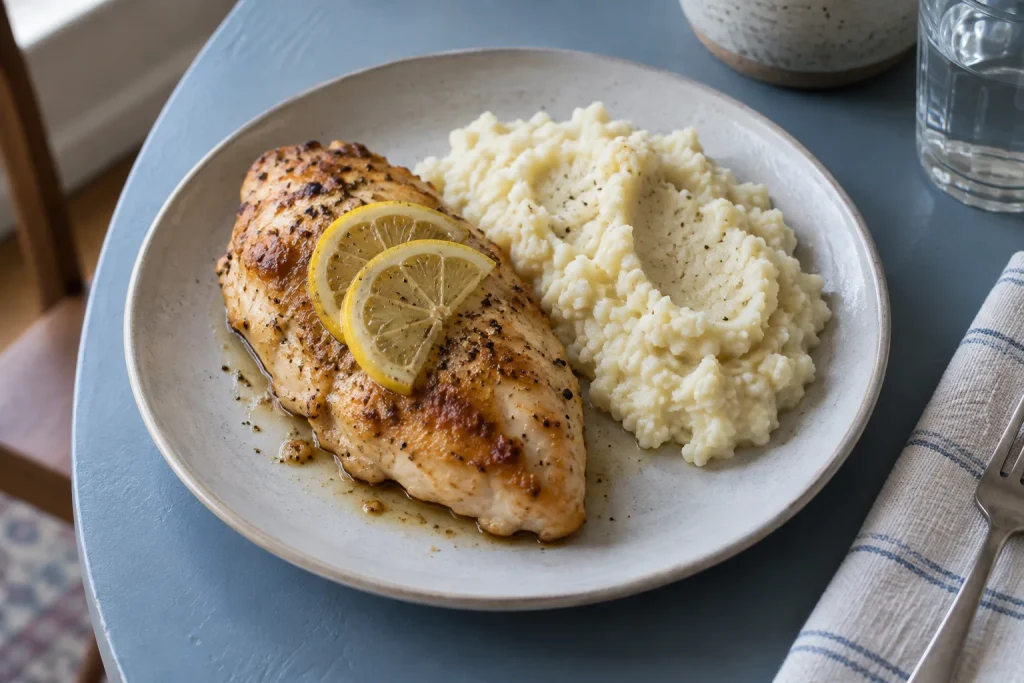
Lemon slices and black pepper give chicken a bright, savory direction. See the full lemon-pepper chicken recipe for quantities and instructions. It includes an optional flour coating and several side suggestions: review the no-dredge option and vegetable sides, and account for flour, rice or potatoes if you include them. The recipe is not automatically a keto meal.
Vegetable-forward skillet combinations
- Greek-inspired chicken: olives, tomatoes and capers bring a briny pan-sauce combination.
- Chicken and broccoli ranch skillet: review the ranch seasoning and creamy sauce ingredients before choosing your serving.
- Spinach, mushrooms and cheese: a smothered-chicken idea with tender greens and a melted-cheese finish.
- Artichoke, mushroom and rosemary: an earthy combination to pair with greens or roasted vegetables.
Marsala, creamy sauces and adobo-style chicken
Marsala cutlets, sun-dried tomato cream chicken, Dijon and garlic chicken, and a mushroom sauce with lemon and thyme offer different pan-sauce directions. Check whether the complete recipe uses flour, starch, sweetened ingredients or wine. Do not assume a brief simmer makes a wine-based sauce alcohol-free.
Adobo-style chicken thighs are another simmered option to explore with cauliflower rice. Follow a complete recipe for the sauce and cooking method; a glossy finish does not establish its carbohydrate content.
Baked, Sheet-Pan and Air-Fryer Chicken
These ideas suit evenings when you prefer an oven or air fryer. The required temperature and time depend on the specific recipe, piece size and equipment, so use the recipe’s instructions and a thermometer.
Lemon, herbs and mushroom bakes
Try a baked lemon chicken direction with stock, a lemon-basil combination, or lemon and feta. Mushroom and sherry chicken offers another savory option; choose a recipe without alcohol if that matters to your household.
For thighs, consider balsamic and rosemary or garlic, rosemary and thyme. Check the balsamic product and amount rather than assuming a sweet-looking glaze has a fixed carb count.
Sesame chicken thighs with broccoli
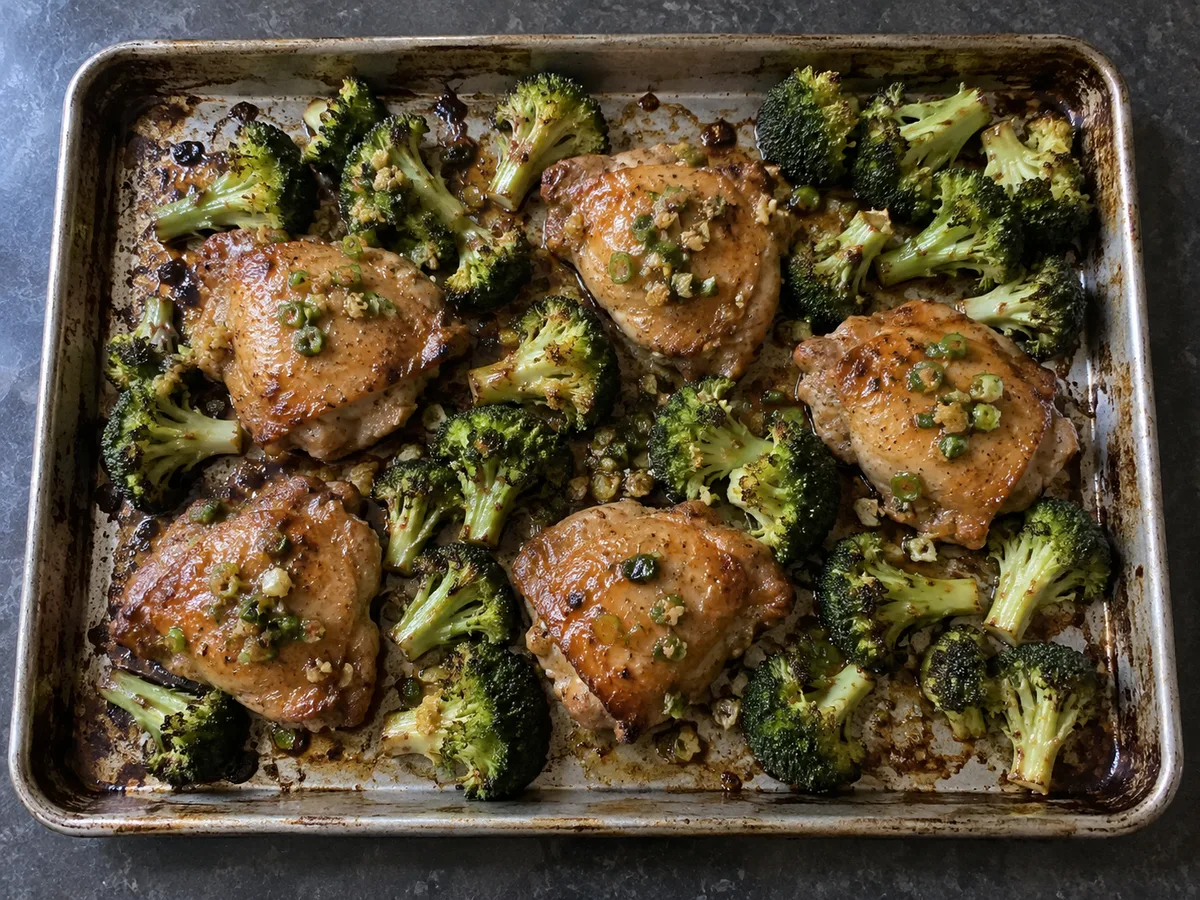
This sheet-pan idea combines chicken thighs and broccoli with sesame oil and soy sauce, finished with scallion-ginger sauce. Use a complete recipe that coordinates the chicken and vegetable cooking times; they may not be ready together. Check the sauce label and any sweeteners in the version you choose.
Almond-crusted chicken and seasoned nuggets
An almond coating gives air-fryer chicken a different texture from traditional breadcrumbs. It still needs to be included in your ingredient and portion checks; replacing breadcrumbs does not make a dish carb-free.
Baked or air-fried nuggets are another option when you want smaller pieces. Select a complete recipe for the coating and preparation, and check dipping sauces separately. Browning alone cannot confirm that either breasts or nuggets are cooked safely.
Grilled and Stuffed Chicken Ideas
Grilled chicken with herbs, guacamole or yogurt-based marinades
Basil, garlic, lemon and olive oil make an Italian-inspired flavor direction. Guacamole and broccoli slaw can change the serving without changing the main cooking method.
Other combinations include Thai-inspired peanut sauce with lime, tandoori-style yogurt with lemon, garam masala and garlic, or yogurt-marinated chicken and pepper kebabs. Review sweeteners in peanut sauces and flavored yogurts.
Teriyaki-style chicken requires particular attention to the soy sauce, mirin and sweetener. If your chosen version includes grilled pineapple, count that side too; replacing one sweetener is not enough to establish the total carbs.
Marinate chicken in the refrigerator. If you want a yogurt dip or finishing sauce, reserve a separate clean portion before adding raw chicken. Do not serve marinade that has touched raw chicken as a dip. See the FDA’s grilling and marinade guidance.
Stuffed breasts and roll-ups
Feta with roasted red peppers, pesto with cheese and mushrooms, and vegetable-and-cheese hasselback chicken are filling combinations to explore. Follow a complete stuffed-chicken recipe for preparation and thermometer placement. Remove any securing toothpicks before serving. Searing adds browning; it does not seal in juices or prove the center is cooked.
Slow-Cooker and Meal-Prep Options
Shredded chicken can become a salad topping, an omelet filling or a cauliflower-rice bowl. Spicy lime chicken is a pressure-cooker direction; taco-seasoned chicken and butter chicken are slow-cooker directions. These methods are not interchangeable, so follow a recipe written for your appliance.
For a flexible batch, consider plain poached breasts or herb-marinated grilled chicken. Store cooked portions with dates, and add a different sauce or side when serving. A taco bowl with lettuce and avocado is not the same meal as one with tortillas, chips and rice.
Plan only what you can use within the refrigerated storage window below, and freeze the rest promptly. “Meal prep” does not mean keeping cooked chicken in the refrigerator for an entire week.
Sauces, Coatings and Sides: What to Check
Check labels for the amount you will actually use, particularly for teriyaki sauce, balsamic glaze, ranch mix, pesto, peanut sauce and prepared coatings. The FDA’s Nutrition Facts label guide explains how nutrient amounts relate to the listed serving size. Total carbohydrate and added sugars are different entries; a low added-sugar number is not a complete carb calculation.
- For a creamy side: cauliflower mash with butter, cream and garlic is a serving idea alongside lemon chicken. It is not nutritionally identical to mashed potatoes.
- For a cheesy side: cauliflower with cheddar and cream offers a mac-and-cheese-style direction. Check the sauce and portion instead of treating it as unlimited.
- For a vegetable pairing: consider asparagus or mixed vegetables with olive oil and lemon.
- For crunch: broccoli slaw with vinaigrette and sliced almonds contrasts with a creamy chicken main. Check prepared dressings for sweeteners.
Choose one main and one or two sides, then review the finished meal using actual ingredients and portions. Neither a dish name nor its photograph can verify a nutrition claim.
Cooking, Storage and Reheating
Use a food thermometer to check chicken reaches at least 165°F (74°C); do not rely on browned surfaces or clear juices. Keep raw chicken and its utensils separate from ready-to-eat food. The FDA’s food-safety guidance also calls for reheated chicken to reach 165°F.
Refrigerate cooked food within two hours, or within one hour when the temperature is above 90°F (32°C). Divide larger batches into shallow containers for cooling. Keep the refrigerator at 40°F (4°C) or below. Use refrigerated cooked chicken within 3–4 days, or freeze it; see the FoodSafety.gov cold-storage chart.


